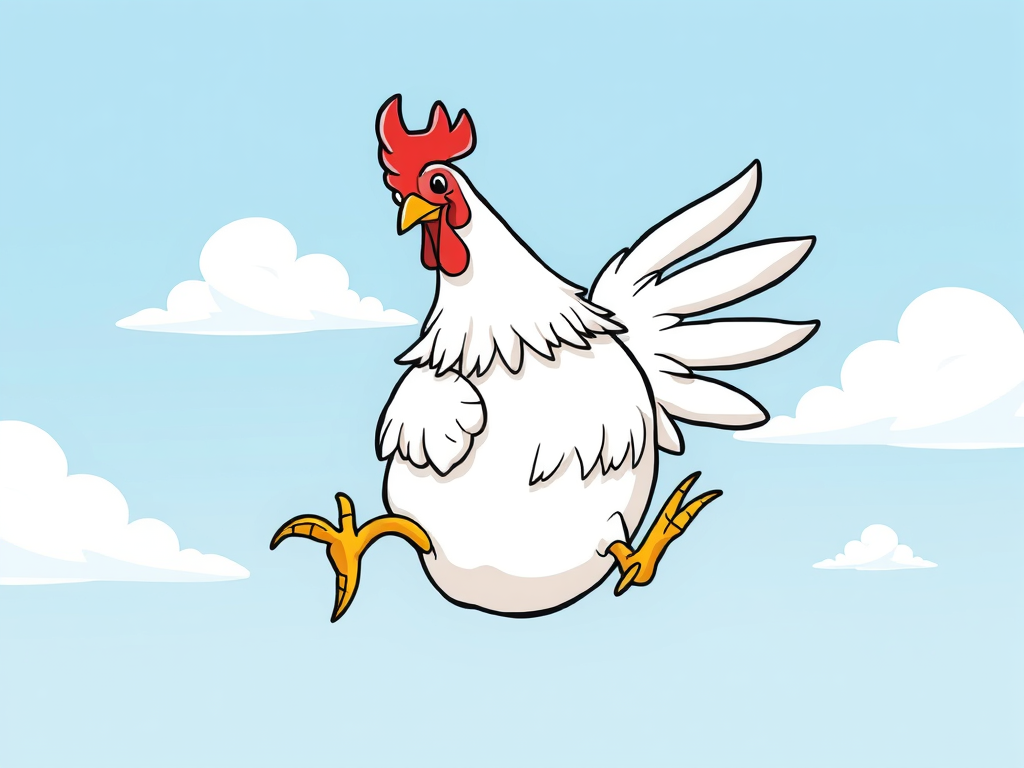
Archbishop Desmond Tutu, the anti-apartheid hero, told a wonderful story that captures this struggle between who we are and who we believe we are meant to be. Let’s go back to that story for a moment.
The Eagle Who Thought It Was a Chicken
A farmer raised chickens in his backyard, and among them was a strange-looking bird. It walked like a chicken. It pecked the ground like a chicken. It never tried to fly.
One day, a wise old woman visited the farm and pointed at the odd-looking bird. “That’s not a chicken,” she told the farmer. “That is an eagle.”
The farmer laughed. “No,” he said. “It’s a chicken. It has been raised like a chicken, it acts like a chicken, so it must be a chicken.”
But the wise woman was not convinced. She picked up the strange bird, carried it up a high mountain, and stood at the edge of a steep cliff. As the sun began to rise, she turned the bird toward the sky and said:
“You are an eagle. You can soar. You can be part of a larger world. Go fly.”
The bird hesitated. It spread its wings tentatively, as if for the first time. It looked at the sky. Then it looked down—way down—to the bottom of the cliff. It took a few steps backward, towards the ground, toward what was familiar, toward the other chickens.
“I don’t feel like an eagle,” it said. “I feel like a chicken. I don’t think I can fly.”
The wise woman sighed but did not argue. “That’s your choice,” she said gently. “But if you never dare to fly, you will never be fully alive. If you do not try, you will never know what you are truly capable of. My advice to you: Even if you feel like a chicken, fly like an eagle.”
The eagle flapped its wings hesitantly at first, unsure of its own strength. The wind rushed against its face, and for a moment, fear gripped its heart. It looked down again—the valley stretched far below, the place it had always known, the land of chickens, where life was safe, predictable, and ordinary.
But then, something deep inside whispered:
“You were never meant to stay on the ground.”
So, with one final deep breath, the eagle spread its wings wide, and leapt from the edge of the cliff.
For a split second, it felt weightless, almost as if it were falling. Panic surged through its body. But then—the wind caught beneath its wings, lifting it higher. It flapped, awkwardly at first, then with growing confidence. The mountains, the valleys, the rivers—everything that had once seemed so distant, so unreachable—was now beneath it.
And then, it soared.
The rush of the open sky was unlike anything it had ever known. The air was cool and fresh, the world vast and limitless. It had spent its entire life believing it was a chicken, scratching at the dirt, never looking up long enough to see the endless possibilities above.
But now, there was no doubt.
It was an eagle.
It had always been an eagle.
And now, it was free.
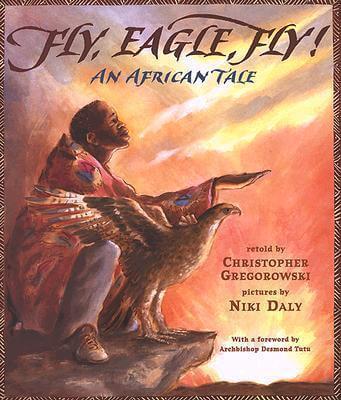
Is it the story of all of us?
How many of us spend our whole lives thinking we are chickens when we are actually eagles? The eagle in the story was never meant to stay on the ground. It was born to fly high, to soar above the mountains, to see the world from above. But because it was raised among chickens, it never even considered flying. It walked like a chicken, ate like a chicken, and thought like a chicken—not because it was one, but because that’s what it had been taught to believe.
And this is exactly what happens to us in life. We are all born with unique talents, dreams, and abilities. But somewhere along the way, we start to believe we are not capable of more. We become trapped in limiting beliefs—invisible mental cages that tell us:
- “You can’t do that.”
- “That’s too difficult for someone like you.”
- “You’re not smart/talented/lucky enough to achieve that.”
These beliefs shape our entire lives.
Why Do We Believe We Are Chickens?
World-renowned psychologist Carol Dweck, in her research on growth mindset, explains that people who believe their abilities are fixed never try to grow. If you think that intelligence, success, or skills are something you are born with and cannot improve, then you won’t even try. This is what happened to the eagle. It never questioned its ability to fly because no one ever told it that it could. Instead, the farmer constantly reinforced the belief that it was a chicken.
The same thing happens to people. From a young age, we are shaped by what others tell us—our parents, teachers, friends, and society. If we are repeatedly told that something is too hard, too unrealistic, or too ambitious, we start believing it.
✔ A young child loves drawing and painting, but someone tells them, “Art isn’t a real career.” So they stop.
✔ A student is passionate about space, but people say, “Becoming an astronaut is impossible.” So they choose a “safer” career instead.
✔ An employee shows leadership potential, but their boss never gives them responsibility. Over time, they start to believe, “Maybe I’m not a leader after all.”
And just like that, the eagle lives as a chicken. Henry Ford’s famous quote sums up this idea perfectly: “Whether you think you can or think you can’t, you’re right.”
How many people believe they are not smart enough because of one bad grade in school? How many people believe they are not good at sports because someone once laughed at them? How many people never start a business, write a book, or take a risk because someone told them, “That’s not for people like us.” When we accept these limiting beliefs as truth, we stay on the ground.
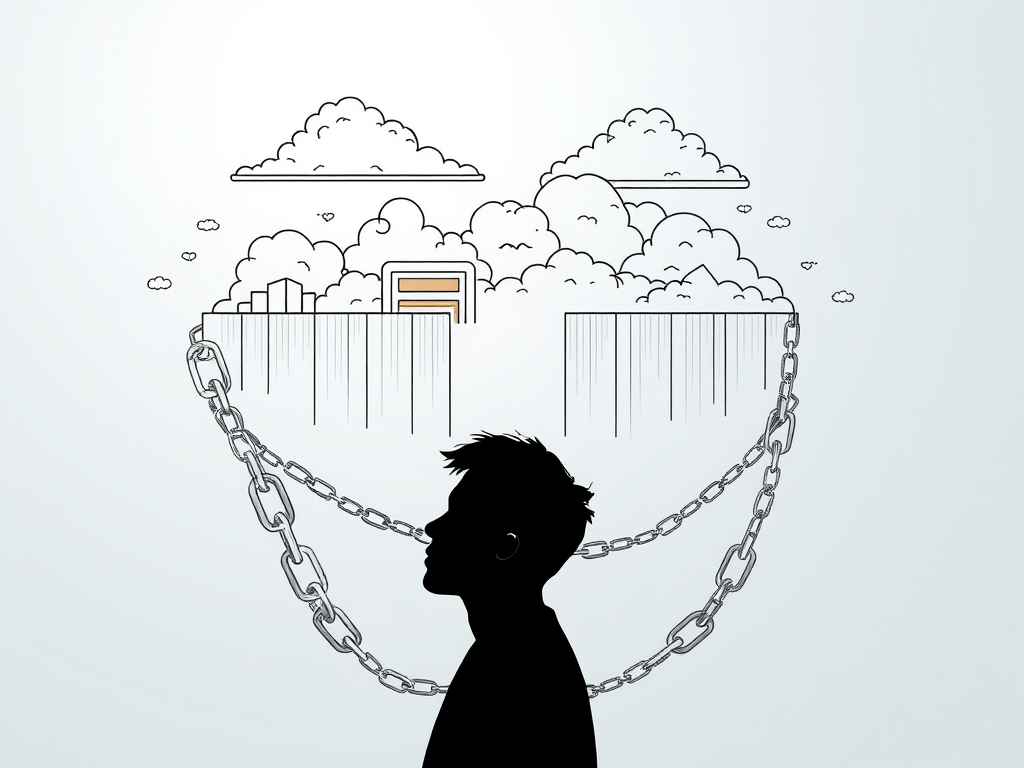
Breaking Free From Limiting Beliefs
So how do we change this? How do we stop living like chickens when we were always meant to be eagles? How do we recognize our own potential and step into the life we were born to live?
The answer is simple but not easy. It requires awareness, the right environment, and action—especially when it feels scary. Let’s break it down.
1. Recognize That You Are an Eagle
The first and most important step is to realize that you are not a chicken. For years, the eagle in the story believed it was just another farm bird because that’s what it had been told. It never questioned it. It never thought, Wait, why do I look different? Why do I feel different? Maybe I was meant for more. Instead, it accepted what it was given, never realizing that it was born to fly.
This is exactly what happens to people.
We grow up being told who we are, what we can do, and what we cannot do. These beliefs come from our parents, teachers, society, and past experiences. If you hear something over and over again, you start believing it—even if it’s not true.
These limiting beliefs become the invisible cage that keeps you grounded, just like the eagle that never tried to fly. Psychologist Martin Seligman, in his research on learned helplessness, found that when people experience repeated failure, they stop believing they can change their situation. Even when an opportunity for freedom is right in front of them, they don’t take it because their minds tell them they are trapped.
But here’s the truth:
✔ You are not stuck.
✔ You are not limited to where you are now.
✔ You are capable of more than you realize.
Bestselling author Robin Sharma puts it perfectly: “Don’t live the same year 75 times and call it a life.”
The eagle was always an eagle. Its DNA never changed. But it never knew what it was capable of until someone showed it the truth. You, too, are more than what you’ve been told. It’s time to recognize your wings.
2. Surround Yourself With People Who Believe in Your Potential
Imagine if the wise woman had never come along. Imagine if no one had ever told the eagle that it was meant for more. It would have lived and died believing it was a chicken.
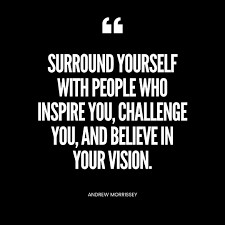
This is why who you surround yourself with matters. Motivational speaker Jim Rohn famously said: “You are the average of the five people you spend the most time with.” Look around at the people in your life.
- Do they encourage you? Do they push you to grow?
- Do they see your potential and remind you of what you’re capable of?
- Or do they doubt you, discourage you, and make you feel small?
If you spend time with dreamers, achievers, and positive thinkers, you will start to see new possibilities. But if you surround yourself with people who complain, make excuses, and avoid growth, you will likely stay grounded with them. Here’s the reality: Chickens stay on the ground. Eagles soar. If you want to fly, you need to be around other eagles. Find mentors, books, communities, and friends that lift you higher, that remind you of your potential, and that help you see the sky instead of just the dirt beneath your feet.
3. Take the Leap—Even if You’re Scared
When the eagle stood at the edge of the cliff, looking down at the valley below, it felt fear. It had never flown before. It had never been in the open sky. The unknown was terrifying. It wanted to turn back. It wanted to return to what was familiar, what was safe. This is exactly what happens when we try to step out of our comfort zones.
- You get a big opportunity, but instead of feeling excited, you feel unworthy.
- You dream of starting something new, but the thought of failure holds you back.
- You want to make a change, but fear whispers, What if I fail? What if I’m not good enough?
Fear is a natural response to stepping into the unknown. Bestselling author Susan Jeffers even wrote a book about this feeling: “Feel the Fear and Do It Anyway.” Her research shows that fear never completely disappears—even the most successful people still feel afraid.
The difference is, they act despite their fear. The first time you speak up in a meeting, it will feel scary. The first time you take a risk, you will doubt yourself. The first time you step into your power, your mind will tell you to go back.
But the moment the eagle spread its wings, it discovered what it was meant to do all along. And the moment you take action, you will realize that fear was never the real problem.
You were always capable.
You were always meant to fly.
So stop waiting to feel ready.
Do it anyway.
Final Thoughts: Fly Like an Eagle
There is a strange bird inside all of us—a part of us that knows we are meant for more, but hesitates to take the leap. The eagle in the story had a choice. It could:
- Stay on the ground with the chickens—where life was safe, predictable, and small.
- Or take the risk and soar into the sky—where the world was wide, open, and full of possibilities.
You have that same choice.
Every day, you can choose to:
- Stay where you are, doing what’s comfortable, what’s familiar, what’s safe.
- Or spread your wings, step into the unknown, and see how far you can really go.
Yes, it’s scary. Yes, it’s uncertain. Yes, the ground feels safer than the sky. But you were never meant to stay on the ground. You were born to fly.
And just like the wise woman told the eagle:
“Even if you feel like a chicken, fly like an eagle.”
So go.
Fly.
About the Author
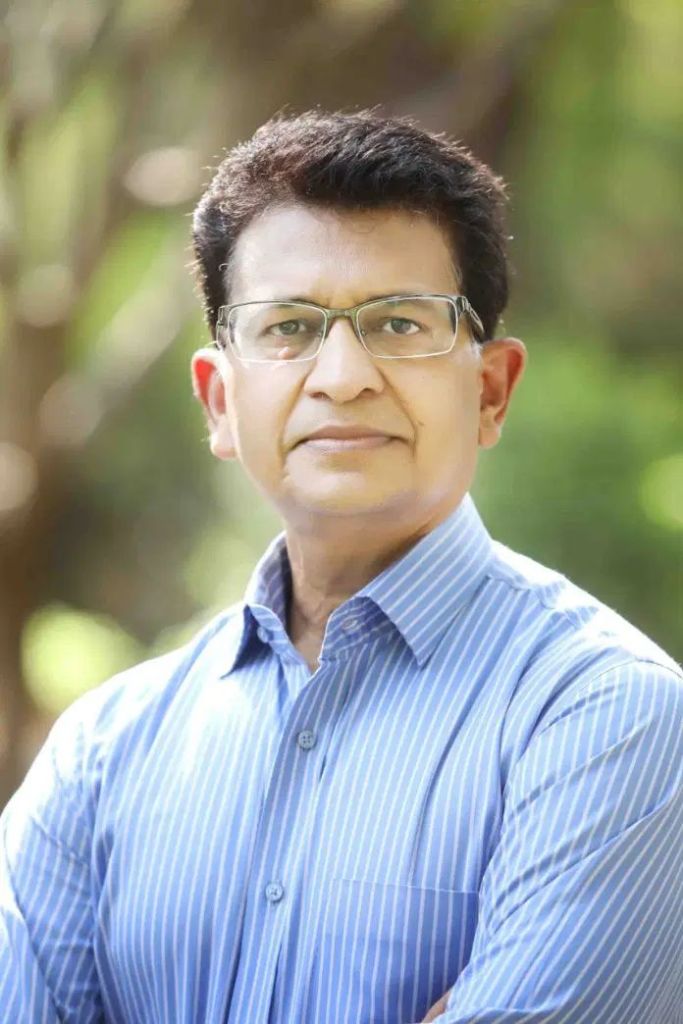
Dr Mukesh Jain is a Gold Medallist engineer in Electronics and Telecommunication Engineering from MANIT Bhopal. He obtained his MBA from the Indian Institute of Management Ahmedabad. He obtained his Master of Public Administration from the Kennedy School of Government, Harvard University along with Edward Mason Fellowship. He had the unique distinction of receiving three distinguished awards at Harvard University: The Mason Fellow award and The Lucius N. Littauer Fellow award for exemplary academic achievement, public service & potential for future leadership. He was also awarded The Raymond & Josephine Vernon award for academic distinction & significant contribution to Mason Fellowship Program. Mukesh Jain received his PhD in Strategic Management from IIT Delhi.
Mukesh Jain joined the Indian Police Service in 1989, Madhya Pradesh cadre. As an IPS officer, he held many challenging assignments including the Superintendent of Police, Raisen and Mandsaur Districts, and Inspector General of Police, Criminal Investigation Department and Additional DGP Cybercrime, Transport Commissioner Madhya Pradesh and Special DG Police.
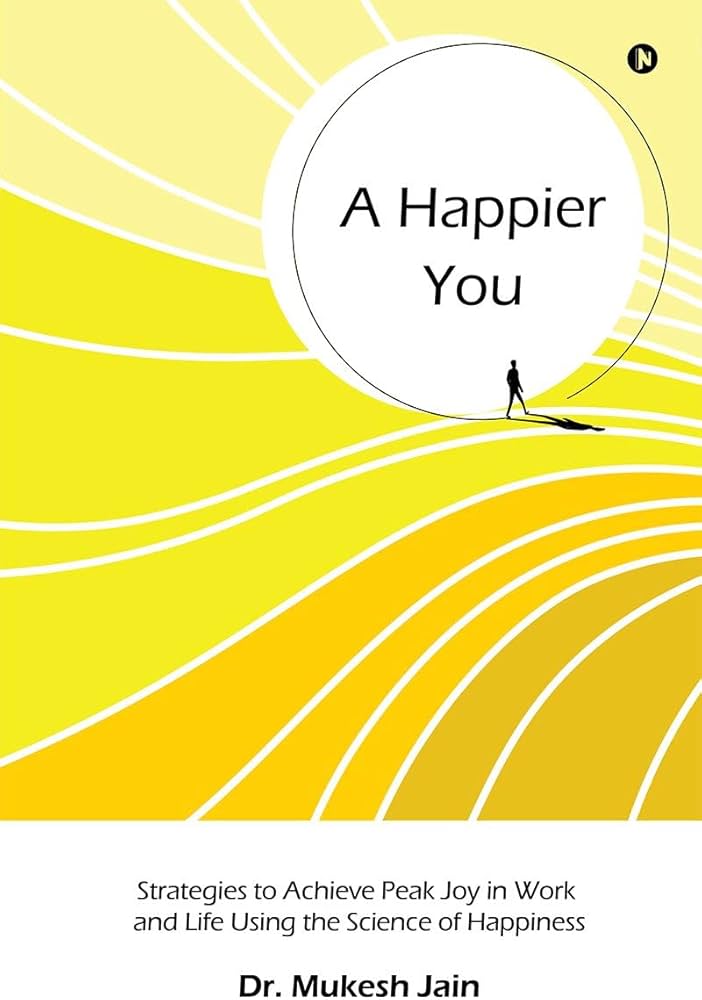
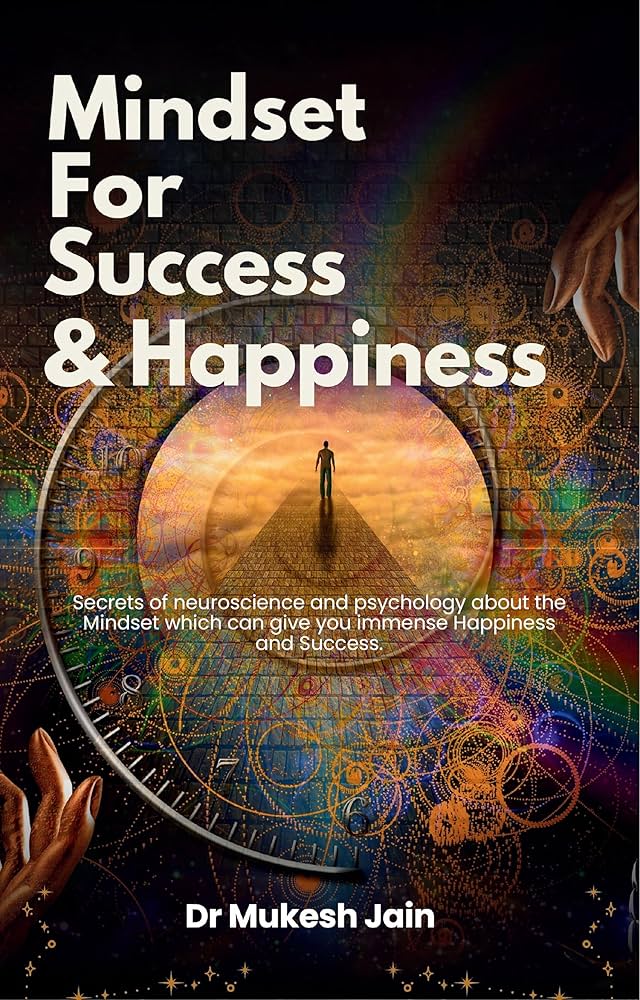
Dr. Mukesh Jain has authored many books on Public Policy and Positive Psychology. His book, ‘Excellence in Government, is a recommended reading for many public policy courses. His book- “A Happier You: Strategies to achieve peak joy in work and life using science of Happiness”, received book of the year award in 2022. After this, two more books, first, A ‘Masterclass in the Science of Happiness’ and the other, ‘Seeds of Happiness’, have also been received very well. His book, ‘Policing in the Age of Artificial Intelligence and Metaverse’ has received an extraordinary reception from the police officers. He is a visiting faculty to many business schools and reputed training institutes. He is an expert trainer of “Lateral Thinking”, and “The Science of happiness” and has conducted more than 300 workshops on these subjects.

 School Of Happiness by Mukesh Jain
Leave a reply to Nidhi Agrawal Cancel reply