
In today’s fast-paced work environment, meetings have become an essential but often dreaded part of professional life. While they are meant to align teams, facilitate decision-making, and drive productivity, meetings frequently leave employees feeling drained rather than energized. Meetings are an essential part of professional life, yet they often feel uninspiring, unproductive, and exhausting. Many employees view meetings as obligatory rituals rather than opportunities for meaningful collaboration. The typical meeting begins with problem-solving, action points, or performance reviews, often setting a tone of pressure, defensiveness, or stress rather than engagement. While discussions on strategy, accountability, and execution are necessary, the way a meeting starts influences how it unfolds.
What if there were a way to shift the energy of every meeting, making it more positive, engaging, and collaborative? ‘Agenda Point 0’ offers a simple yet transformational approach—starting every meeting with a dedicated moment for expressing gratitude. Instead of diving directly into business discussions, team members take just a few minutes to acknowledge and appreciate each other’s contributions from the past week.
This practice isn’t just about politeness—it’s a science-backed strategy to enhance workplace morale, team cohesion, and productivity. Research in positive psychology, neuroscience, and leadership development confirms that gratitude boosts motivation, strengthens social bonds, and enhances cognitive functioning. By embedding gratitude into meetings, organizations can create an environment where employees feel valued, motivated, and more connected to their work and colleagues.
The Concept of Agenda Point 0
Agenda Point 0 is a dedicated gratitude-sharing segment at the beginning of every meeting. Instead of diving straight into business discussions, teams take a few minutes to acknowledge and appreciate their colleagues for the support, kindness, or contributions they received in the past week. Whether it’s a coworker who stepped in to help meet a deadline, a manager who provided valuable guidance, or a colleague who simply offered words of encouragement, this practice allows team members to recognize and celebrate each other’s efforts in an open and structured way.
The simplicity of this concept is what makes it so powerful. It doesn’t require extra resources, complex planning, or extensive training—just a shift in perspective. By starting meetings with gratitude, workplaces can cultivate an environment where employees feel valued, motivated, and more connected to their team.
The Impact of Gratitude on Workplace Culture
Research in positive psychology, neuroscience, and organizational behavior has consistently shown that gratitude has profound effects on mental well-being, job satisfaction, and team dynamics. Studies indicate that practicing gratitude in professional settings can:
✔ Enhance workplace morale by creating a culture of appreciation and recognition.
✔ Strengthen relationships by fostering trust, respect, and deeper interpersonal connections.
✔ Increase motivation and engagement, as employees feel valued and acknowledged.
✔ Reduce stress and workplace anxiety, leading to a healthier and happier work environment.
The Science Behind Gratitude in the Workplace: Research Insights
Numerous studies in organizational behavior, psychology, and neuroscience have validated the powerful impact of gratitude in professional settings. When employees feel appreciated and valued, they are more engaged, motivated, and willing to collaborate effectively. The benefits of gratitude extend beyond personal well-being, significantly influencing team dynamics, organizational culture, and overall performance. Two key research studies—one published in the Harvard Business Review (HBR) and another conducted at the University of Pennsylvania’s Wharton School—provide compelling evidence supporting the integration of gratitude into workplace interactions, particularly in meetings.
- The Harvard Business Review Study: Gratitude and Workplace Productivity
A study published in the Harvard Business Review explored the correlation between gratitude and employee performance, satisfaction, and retention. Researchers conducted a multi-phase experiment within a corporate setting, examining how employees responded to regular expressions of gratitude from their managers.
Key Findings:
✔ Employees who received consistent appreciation from their managers showed a 31% increase in productivity compared to those who did not receive such recognition.
✔ Job satisfaction levels were significantly higher in teams where gratitude was actively practiced, leading to improved morale and a greater sense of purpose.
✔ Organizations that implemented structured gratitude practices, such as peer recognition programs and gratitude-sharing in meetings, reported a 22% reduction in turnover rates.
The study concluded that gratitude acts as a powerful motivator, reinforcing positive behavior and encouraging employees to go above and beyond their job responsibilities. It also found that 1when leaders express gratitude, they cultivate a more inclusive, trusting, and collaborative work environment, which in turn leads to higher employee engagement and long-term commitment to the organization.
The implications of these findings suggest that organizations can significantly improve performance, reduce burnout, and retain top talent simply by incorporating gratitude into daily workplace interactions. One effective way to achieve this is by introducing Agenda Point 0, ensuring that every meeting starts with expressions of appreciation.
- The Wharton School Study: Gratitude and Team Collaboration
A groundbreaking study conducted at the University of Pennsylvania’s Wharton School of Business examined the impact of workplace gratitude on teamwork, innovation, and problem-solving. The researchers aimed to determine whether a culture of appreciation enhanced cooperation and creativity within teams.
The Experiment:
✔ Employees were divided into two groups—one that participated in a gratitude intervention program and another that continued with standard workplace interactions.
✔ The gratitude intervention involved regular expressions of appreciation during meetings, peer recognition practices, and manager-led gratitude discussions.
✔ Over a six-month period, researchers measured collaboration levels, creative output, and problem-solving capabilities of both groups.
Key Findings:
✔ The group that practiced gratitude reported 50% higher levels of collaboration, with team members demonstrating stronger interpersonal connections and willingness to support each other’s work.
✔ Creativity scores increased by 30%, with employees showing greater enthusiasm for brainstorming sessions and innovation-driven projects.
✔ Problem-solving efficiency improved by 37%, as teams with a culture of gratitude were more likely to engage in constructive dialogue rather than conflict-driven discussions.
The study concluded that gratitude fosters psychological safety, an essential factor in high-performing teams. Employees in the gratitude-practicing group were more willing to share ideas, take risks, and provide honest feedback, knowing that their contributions were recognized and valued. The practical takeaway from this study is that gratitude should not be left to chance—it should be embedded into team culture. Introducing gratitude in meetings, such as through Agenda Point 0, is a simple yet effective way to reinforce appreciation, improve teamwork, and drive innovation. Both the Harvard Business Review and Wharton School studies highlight that gratitude is not just a feel-good practice—it is a strategic advantage for organizations. Companies that prioritize gratitude experience:
✔ Higher engagement and retention, reducing costly employee turnover.
✔ Greater collaboration and trust, leading to more effective teamwork.
✔ Increased innovation and problem-solving abilities, driving business success.
✔ A stronger, more positive organizational culture, where employees feel motivated and valued.
By integrating gratitude into workplace rituals—especially in meetings—organizations can harness these benefits on a daily basis. Agenda Point 0 provides a structured, consistent way to ensure that gratitude is not an afterthought but an essential part of workplace communication and culture. By integrating Agenda Point 0 into workplace meetings, organizations can leverage these scientifically proven benefits to transform meetings from stressful obligations into uplifting, energizing experiences. When employees start meetings on a positive note, focusing on gratitude rather than problems, they are more likely to engage in constructive discussions, collaborate effectively, and approach challenges with an open and solution-oriented mindset. In essence, Agenda Point 0 is more than just a meeting ritual—it’s a simple yet highly effective strategy to create a thriving, motivated, and connected workplace..
The Science of Gratitude: Why It Works
Gratitude is more than just a polite social gesture—it is a powerful psychological force that has been extensively studied in positive psychology, neuroscience, and management science. Research shows that expressing and receiving gratitude can enhance well-being, strengthen relationships, and improve performance.
According to Dr. Robert Emmons, a leading gratitude researcher, regularly practicing gratitude:
- Boosts happiness levels by increasing dopamine and serotonin production in the brain.
- Reduces stress by lowering cortisol levels.
- Improves social bonds by fostering trust and appreciation.
- Enhances resilience, helping individuals cope with workplace challenges.
Neuroscience and Gratitude
Scientific research in neuroscience and psychology has provided compelling evidence that gratitude is not just an abstract feeling but a neurological process that enhances cognitive and emotional functioning. Functional Magnetic Resonance Imaging (fMRI) scans have revealed that expressing and receiving gratitude triggers specific brain regions, influencing decision-making, empathy, and emotional regulation. These neural activations have direct implications for workplace interactions, particularly in meetings, where constructive discussions, collaboration, and problem-solving are critical for success. When individuals express gratitude, the prefrontal cortex and anterior cingulate cortex—two key regions of the brain—are significantly activated.
The prefrontal cortex is the executive center of the brain, responsible for:
✔ Rational decision-making
✔ Impulse control and emotional regulation
✔ Complex problem-solving and strategic thinking
When gratitude is practiced, activity in the prefrontal cortex increases, which strengthens cognitive flexibility and improves reasoning skills. This means that when meetings begin with gratitude:
- Participants approach discussions with a clearer, more rational perspective, rather than reacting emotionally to challenges.
- Impulsive or defensive reactions are minimized, allowing for more thoughtful and constructive dialogue.
- Team members are more likely to consider different perspectives, leading to better decision-making and innovative solutions.
By integrating Agenda Point 0 at the start of meetings, teams activate the prefrontal cortex, priming themselves for effective collaboration and logical discussions rather than tension-driven interactions.
The anterior cingulate cortex (ACC) plays a crucial role in:
✔ Emotional processing and empathy
✔ Regulating social interactions and trust
✔ Conflict resolution and emotional intelligence
When gratitude is expressed, the ACC becomes highly active, which enhances an individual’s ability to connect with others on an emotional level. This has profound implications for team meetings, where trust, mutual understanding, and cooperation are essential. When team members begin a meeting by acknowledging each other’s contributions, the ACC activation facilitates deeper social bonds, leading to:
- Increased empathy and reduced workplace conflict, as employees feel a stronger sense of connection.
- Greater willingness to collaborate, since people naturally reciprocate appreciation with positive behaviors.
- Enhanced emotional regulation, allowing for calm, balanced discussions even in high-pressure situations.
This means that a meeting structured with gratitude-sharing at the beginning sets the stage for more respectful, open, and productive conversations. Instead of engaging in adversarial debates or defensive posturing, participants are neurologically primed for cooperation and collective problem-solving.
By leveraging the neurological benefits of gratitude, organizations can create an environment where meetings are no longer draining and conflict-driven, but energizing, solution-focused, and deeply collaborative. Agenda Point 0 isn’t just a workplace ritual—it’s a scientifically supported strategy to enhance team effectiveness and workplace well-being at a fundamental, brain-based level.
How Agenda Point 0 Transforms Workplace Culture
- Fostering a Positive Meeting Atmosphere
Most meetings begin with problem discussions, criticisms, or immediate action points, which can create tension and negativity. By starting with gratitude, teams:
- Shift their focus to what is working well, rather than dwelling on challenges.
- Create an atmosphere of encouragement and support.
- Strengthen emotional bonds between team members.
When people feel appreciated before discussing work-related stressors, they are more likely to approach challenges with a solution-oriented mindset rather than a defensive one.
- Building Psychological Safety in Teams
According to Harvard Business School professor Amy Edmondson, psychological safety—the ability to take risks and express oneself without fear of punishment—is a key predictor of high-performing teams. Gratitude-sharing at the start of meetings helps:
- Reduce social anxiety, making people feel valued and included.
- Encourage open communication by reinforcing positive interactions.
- Create a safe space for feedback and discussion.
- Reinforcing Pro-Social Behavior
Behavioral psychology suggests that positive reinforcement strengthens desired behaviors. When gratitude is expressed in meetings:
- Helpful behaviors get recognized, increasing their likelihood of being repeated.
- Employees feel motivated to contribute more when they know their efforts will be acknowledged.
- Improving Employee Engagement and Retention
A Gallup study found that employees who feel regularly appreciated are 3 times more likely to stay with their company. If organizations incorporate gratitude into meetings:
- Employees experience higher job satisfaction.
- Workplace conflicts decrease, improving team cohesion.
- Employees feel a stronger sense of belonging, reducing turnover rates.
Implementing Agenda Point 0 in Organizational Meetings
Organizations can implement Agenda Point 0 in a structured yet flexible way:
- Start small – Introduce it in one team or department and gather feedback.
- Explain its purpose – Emphasize how gratitude improves productivity and morale.
- Encourage authenticity – Gratitude should be genuine and not forced.
- Keep it brief – 2-5 minutes is sufficient for each meeting.
Different formats can be used to encourage participation:
- Round-robin sharing – Each participant expresses gratitude to a colleague.
- Anonymous gratitude notes – Read aloud by a facilitator.
- Gratitude wall – A virtual or physical space where employees post appreciation messages.
- Manager-led recognition – Leaders highlight contributions from team members.
For Agenda Point 0 to be sustainable, organizations can:
- Include it as a standing item in meeting agendas.
- Recognize diverse forms of contributions (not just task completion but also emotional support and collaboration).
- Ensure leadership actively participates, setting the tone for company culture.
Conclusion
Priya Parker, in her book The Art of Gathering: How We Meet and Why It Matters, argues that gatherings should be intentionally designed to serve a deeper purpose. She emphasizes that meetings, whether in professional or personal settings, should not be treated as routine events but as opportunities to create meaning, connection, and transformation. One of Parker’s key insights is that the way a gathering starts dictates its trajectory. If a meeting begins with pressure, stress, or immediate demands, participants are likely to approach the conversation with defensiveness and disengagement. On the other hand, if a meeting starts with intentional connection and warmth, the entire tone of the discussion shifts toward collaboration, openness, and shared purpose.
Agenda Point 0 aligns perfectly with Parker’s philosophy—it reframes meetings as intentional spaces for connection, rather than mechanical routines. Instead of meetings feeling like cold, agenda-driven obligations, they become energizing, relationship-building experiences. By starting every meeting with gratitude, organizations create a ritual of appreciation, reinforcing that meetings are not just about work, but about people and shared goals.
In a world where meetings often feel like a burden, Agenda Point 0 offers a radical rethinking—transforming workplace gatherings from exhausting to uplifting, from stressful to engaging, and from transactional to deeply meaningful.
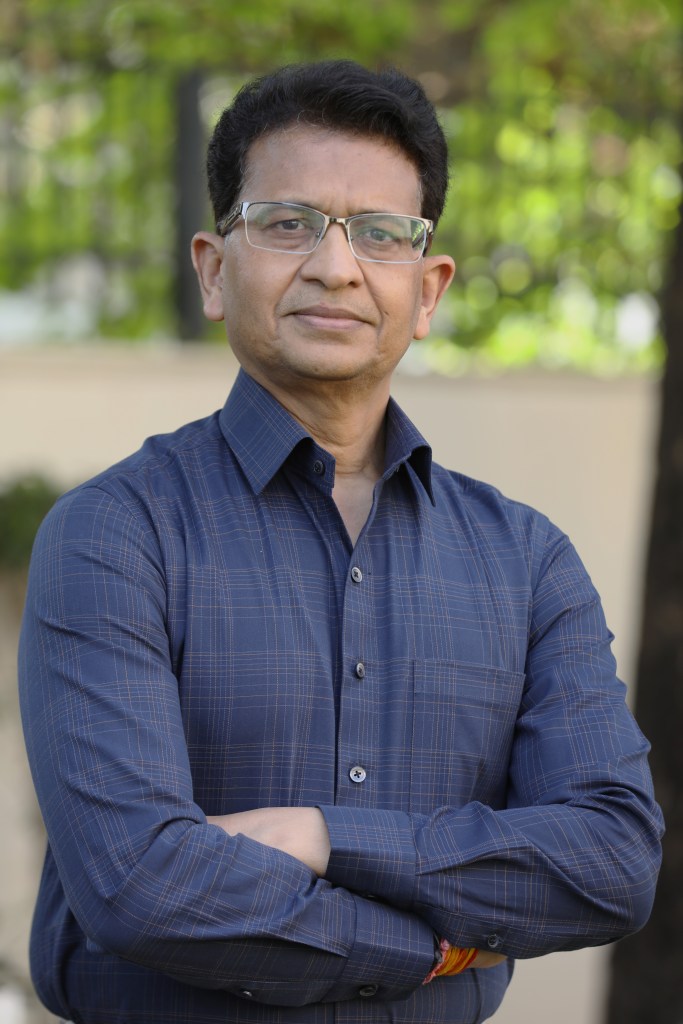
Dr Mukesh Jain is a Gold Medallist engineer in Electronics and Telecommunication Engineering from MANIT Bhopal. He obtained his MBA from the prestigious management institute, the Indian Institute of Management Ahmedabad. He obtained his Master of Public Administration from the Kennedy School of Government, Harvard University along with Edward Mason Fellowship. He had the unique distinction of receiving three distinguished awards at Harvard University: The Mason Fellow award and The Lucius N. Littauer Fellow award for exemplary academic achievement, public service & potential for future leadership. He was also awarded The Raymond & Josephine Vernon award for academic distinction & significant contribution to Mason Fellowship Program. Mukesh Jain received his PhD in Strategic Management from IIT Delhi. His focus of research has been Capacity building of organizations using Positive psychology interventions, Growth mindset and Lateral Thinking etc.
Mukesh Jain joined the Indian Police Service in 1989, Madhya Pradesh cadre. As an IPS officer, he held many challenging assignments including the Superintendent of Police, Raisen and Mandsaur Districts, and Inspector General of Police, Criminal Investigation Department and Additional DGP Cybercrime, Transport Commissioner Madhya Pradesh and Special DG Police. He has also served as Joint Secretary in Ministry of Power and Ministry of Social Justice and Empowerment, Government of India. As Joint Secretary, Department of Persons with Disabilities, he conceptualized and implemented the ‘Accessible India Campaign’, launched by Hon’ble Prime Minister Shri Narendra Modi in December 2015. This campaign is aimed at creating accessibility in physical infrastructure, Transportation, and IT sectors for persons with disabilities and continues to be a flagship program of the Ministry of Social Justice and Empowerment, Government of India since 2015.
Dr. Mukesh Jain has authored many books on Public Policy and Positive Psychology. His book, ‘Excellence in Government, is a recommended reading for many public policy courses. A leading publisher published his book- “A Happier You: Strategies to achieve peak joy in work and life using science of Happiness”, which received book of the year award in 2022. His other books are : ‘Mindset for Success and Happiness’, ‘Seeds of Happiness’, and ‘What they don’t teach you at IITs and IIMs’.
He is a visiting faculty to many business schools and reputed training institutes. He is an expert trainer of “The Science of happiness”. He has conducted more than 250 workshops on the Science of Happiness at many prominent B-schools and administrative training institutes of India, including Indian School of Business Hyderabad/ Mohali, National Police Academy, IIFM, National Productivity Council etc.
 School Of Happiness by Mukesh Jain
One response to “Agenda Point 0: The Power of Gratitude in Organizational Meetings”
[…] Agenda Point 0: The Power of Gratitude in Organizational Meetings […]
LikeLike