What the 36 Questions Research Teaches Us About Lifelong Love
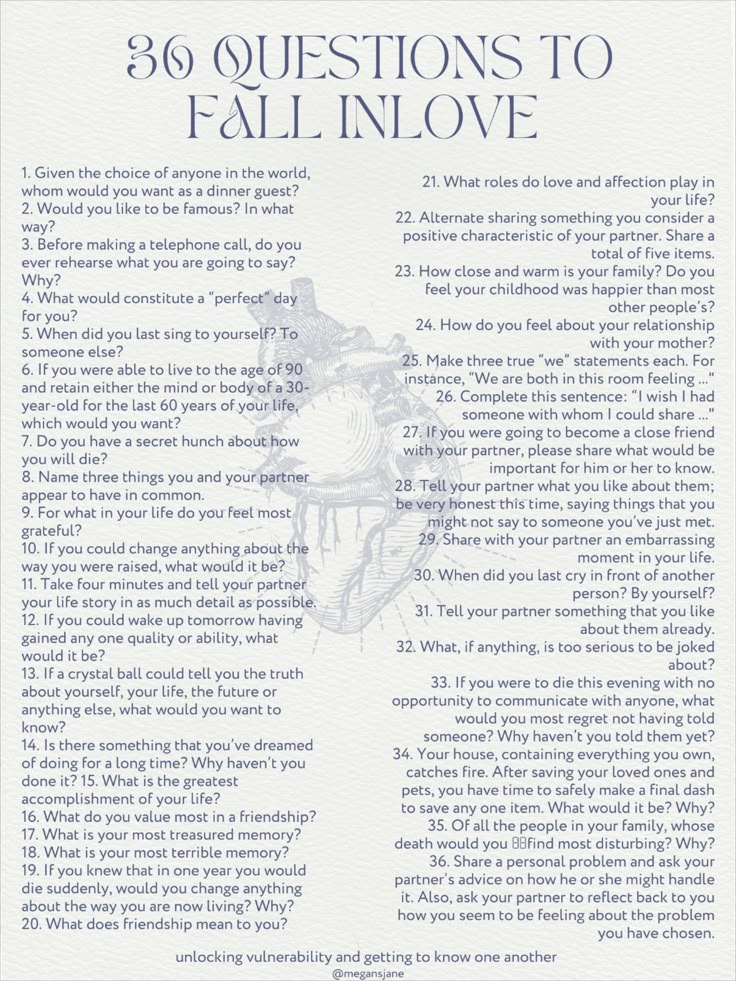
Exactly one year ago, I wrote a blog titled “Can 36 Questions Make You Fall in Love? Science Says Yes!”
Honestly, I thought a few psychology enthusiasts would read it, nod thoughtfully, and move on.
Instead, it went viral.
But the real surprise wasn’t the numbers. It was the messages.
Some readers told me they genuinely felt closer to their partners after trying the 36 questions. A few even said it reignited something that had quietly faded. And what fascinated me most? Others applied the same questions to friendships, siblings, even parents — and saw beautiful shifts there too.
That’s when it struck me.
This wasn’t just about romance. It was about connection.
So let me revisit that idea — and explore what those 36 “simple” questions really mean for our relationships today.

In 1997, social psychologist Arthur Aron conducted a fascinating experiment. His team wanted to know something bold: Can emotional closeness between strangers be intentionally created?
Participants were paired with strangers and asked to go through a structured set of 36 questions. The questions began lightly — favorite memories, ideal dinner guests — and gradually moved into deeper territory: fears, regrets, childhood wounds, what love means to you. Afterward, the pairs were asked to sit in silence and maintain eye contact for four minutes.
The result? Many reported intense feelings of closeness. Some stayed friends. One pair even married.
The study wasn’t about romance magic. It was about something more scientific and more powerful — structured vulnerability creates intimacy. And that insight has profound implications for marriage.
The Theory Behind the Questions

The research rests on a few key psychological ideas.
- First, self-disclosure theory — relationships deepen when people reveal personal layers gradually. Like peeling an onion, intimacy grows in stages.
- Second, reciprocity — when one person shares honestly, the other feels safe to do the same.
- Third, Aron’s own self-expansion theory — we fall in love partly because the relationship expands our sense of who we are. When someone truly sees us, we grow.
In short:
Love is not just chemistry. It is shared revelation.
Now think about marriage.
Most couples spend enormous effort planning the wedding. Very few plan the ongoing deep conversations that sustain the bond.
Why This Research Matters More After Marriage
Ironically, marriages often stop having the kind of conversations that created the relationship in the first place.
In early love, we ask:
- What scares you?
- What shaped you?
- What do you dream of becoming?
Five years later, conversations shrink to:
- Did you pay the bill?
- What’s for dinner?
- Why are you late?
Logistics replace longing.
The 36 questions remind us of something simple:
Closeness is not a one-time event. It is a practice.
Marriage doesn’t fail because love disappears.
It weakens because curiosity disappears.
Applying the 36-Question Principle to Marriage

You don’t need to formally sit down with a printed questionnaire every week. But you do need to revive its spirit.
Here’s how.
1. Schedule Depth, Not Just Time
Many couples schedule date nights. Few schedule deep conversation.
Once a month, ask each other:
- What has changed in you recently?
- What are you afraid to tell me?
- What are you longing for these days?
Treat these conversations like sacred rituals, not casual chats.
Indian philosophy speaks of Satsang — sitting in truth together. Marriage needs Satsang.
2. Practice Reciprocal Vulnerability
Osho often said love thrives in authenticity, not performance. When spouses perform roles — “strong husband,” “perfect wife” — intimacy dies quietly.
Instead of saying, “I’m fine,” try: “I’ve been feeling uncertain about myself lately.”
Vulnerability invites vulnerability. Walls invite walls.
3. Don’t Let Familiarity Kill Mystery
There is a paradox in long marriages. You think you know everything about your partner. But people evolve constantly.
Khalil Gibran wrote in The Prophet: “Let there be spaces in your togetherness.”
Space is not distance. It is respect for individuality.
The 36 questions work because they uncover new layers. In marriage, you must keep discovering each other as if you are meeting again.
Ask:
- What part of you is changing?
- What belief of yours is dissolving?
- What dream have you not spoken aloud?
Curiosity keeps love oxygenated.
4. Eye Contact Is Not Romantic — It Is Neurological
The final part of the study involved four minutes of eye contact. It sounds poetic, but it is biological.
Sustained eye contact activates emotional bonding pathways. It regulates the nervous system. It signals safety.
In long marriages, eye contact reduces dramatically. Screens replace gaze.
5. Conflict Is an Opportunity for Self-Expansion
Most couples see conflict as threat. The research suggests something different.
If closeness grows through revealing deeper layers, then arguments — when handled safely — are chances to reveal hidden fears and unmet needs.
Instead of: “You never understand me.”
Try:
“When this happens, I feel unseen.”
Marriage is not a courtroom. It is a mirror. In many Indian traditions, marriage is described as a samskara — a sacred transformation. Not just a social contract, but a path of growth. The concept of Ardhanarishvara — the union of Shiva and Shakti — symbolizes integration, not possession. Marriage at its highest is not dependency. It is expansion. Aron’s research scientifically validates what ancient wisdom already knew: Intimacy grows when two people consciously reveal their inner worlds.
Rumi wrote: “The wound is the place where the light enters you.” When spouses reveal their wounds, they create sacred ground.
What This Means for a Successful Marriage
A successful marriage is not one without problems.
It is one where:
Curiosity is alive.
Vulnerability is safe.
Growth is shared.
Silence is comfortable.
Individuality is respected.
The 36 questions are not a magic formula. They are a reminder.
Love deepens when we dare to be seen.
And seen again.
And seen differently as we evolve.
Closeness is not luck. It is intentional vulnerability practiced over time.
If two strangers can create intimacy in 45 minutes, imagine what two committed partners can create over 40 years — if they choose to keep asking, keep listening, and keep revealing.
Marriage is not something you find once. It is something you build — question by question, truth by truth, gaze by gaze.

About the Author
Dr Mukesh Jain is a Gold Medallist engineer in Electronics and Telecommunication Engineering from MANIT Bhopal. He obtained his MBA from the prestigious management institute, the Indian Institute of Management Ahmedabad. He obtained his Master of Public Administration from the Kennedy School of Government, Harvard University along with Edward Mason Fellowship. He had the unique distinction of receiving three distinguished awards at Harvard University: The Mason Fellow award and The Lucius N. Littauer Fellow award for exemplary academic achievement, public service & potential for future leadership. He was also awarded The Raymond & Josephine Vernon award for academic distinction & significant contribution to Mason Fellowship Program. Mukesh Jain received his PhD in Strategic Management from IIT Delhi. His focus of research has been Capacity building of organizations using Positive psychology interventions, Growth mindset and Lateral Thinking etc.
Mukesh Jain joined the Indian Police Service in 1989, Madhya Pradesh cadre. As an IPS officer, he held many challenging assignments including the Superintendent of Police, Raisen and Mandsaur Districts, and Inspector General of Police, Criminal Investigation Department and Additional DGP Cybercrime, Transport Commissioner Madhya Pradesh and Special DG Police. He has also served as Joint Secretary in Ministry of Power and Ministry of Social Justice and Empowerment, Government of India. As Joint Secretary, Department of Persons with Disabilities, he conceptualized and implemented the ‘Accessible India Campaign’, launched by Hon’ble Prime Minister Shri Narendra Modi in December 2015. This campaign is aimed at creating accessibility in physical infrastructure, Transportation, and IT sectors for persons with disabilities and continues to be a flagship program of the Ministry of Social Justice and Empowerment, Government of India since 2015.
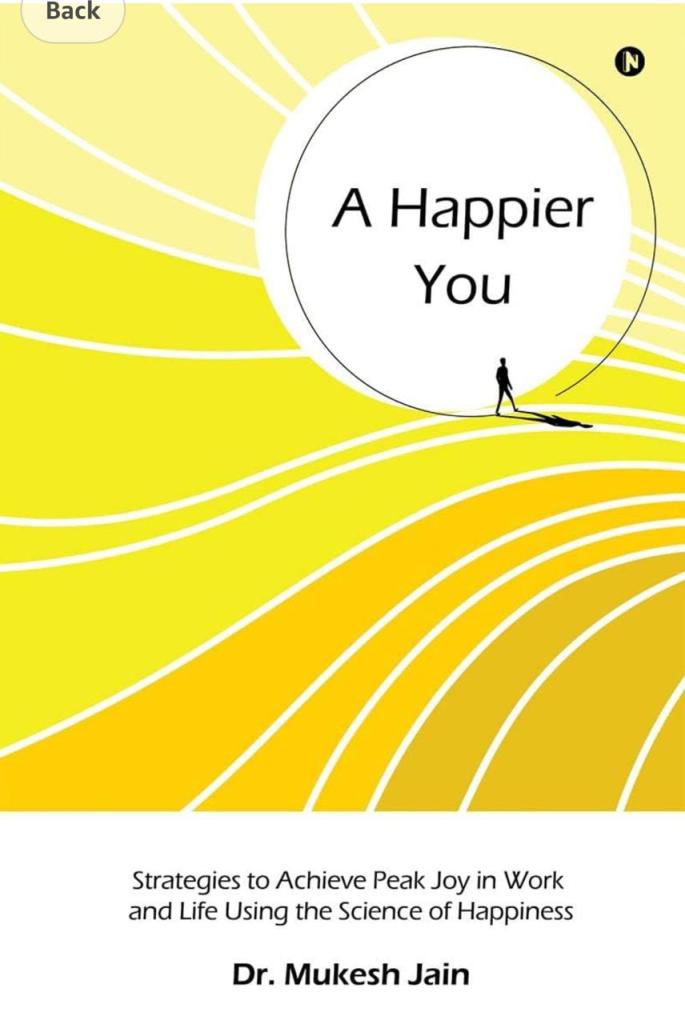
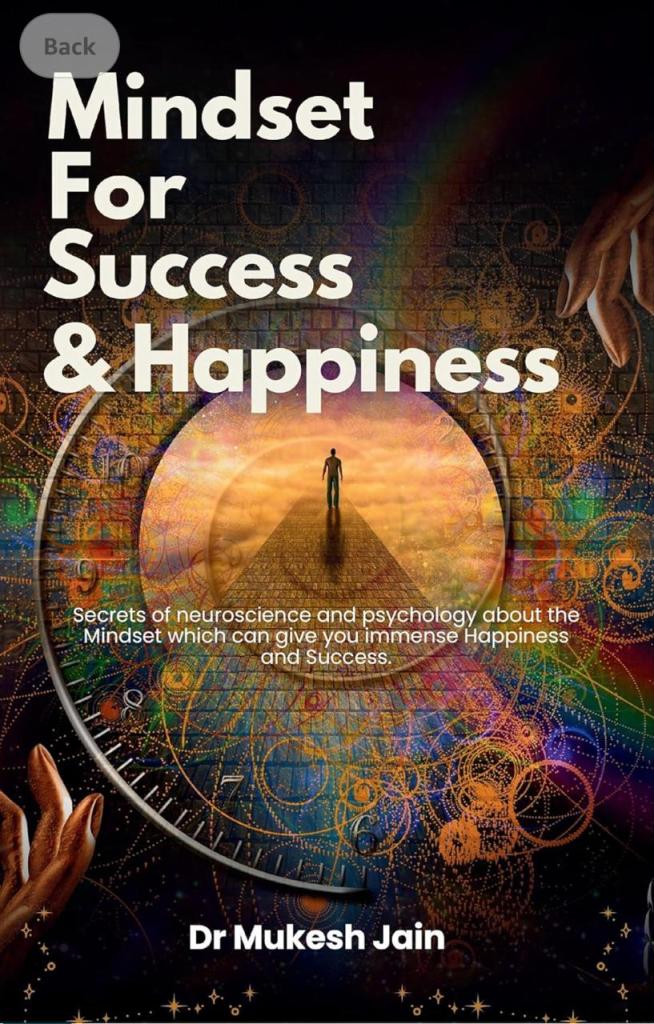
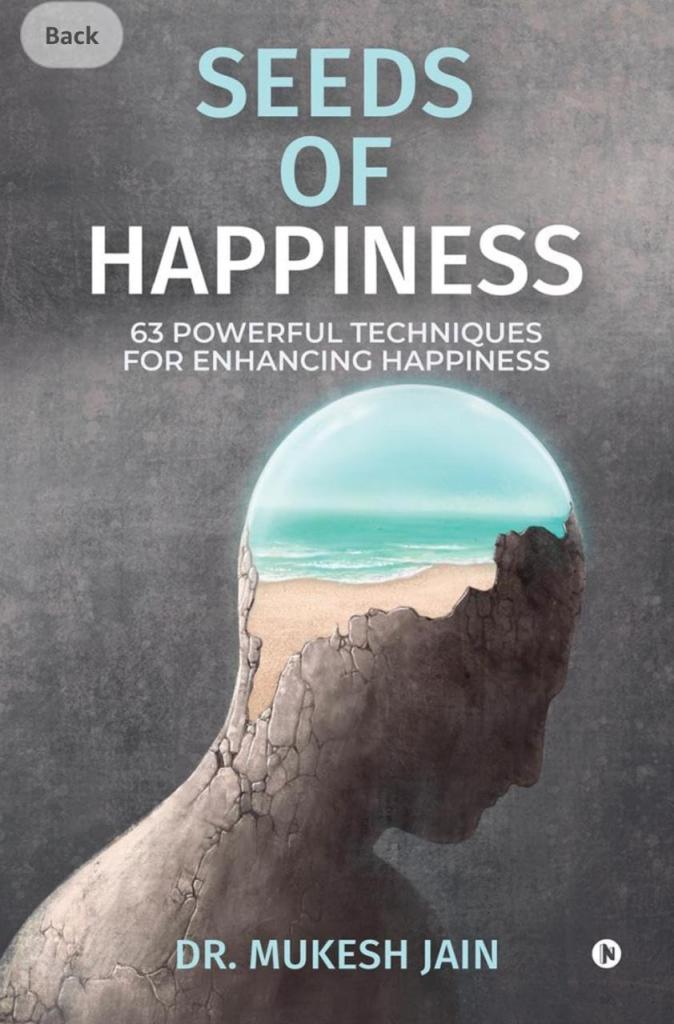
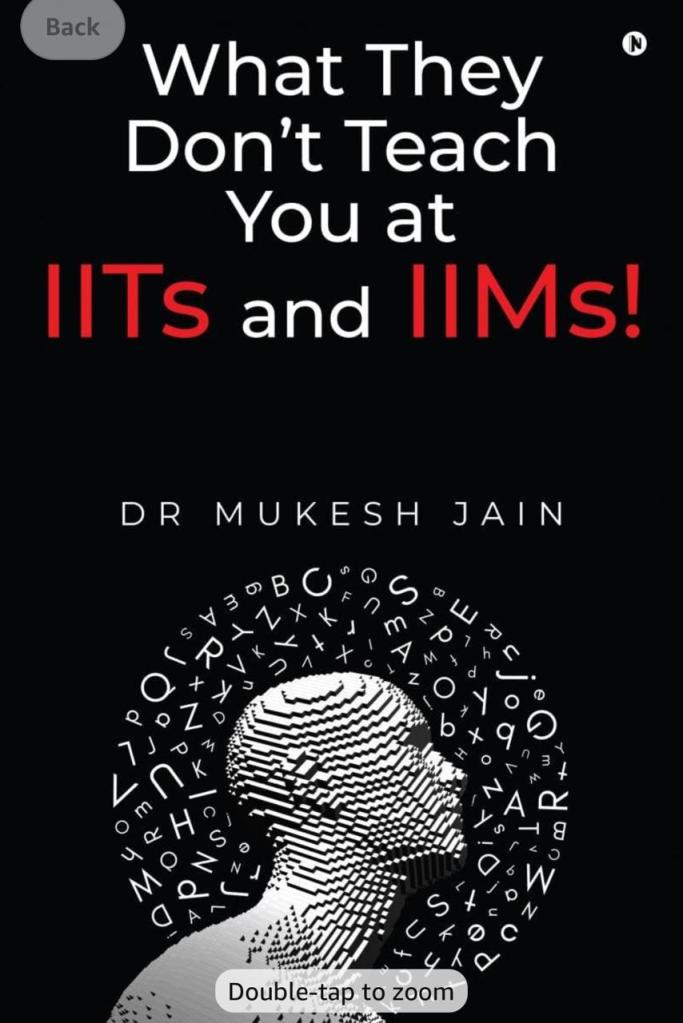
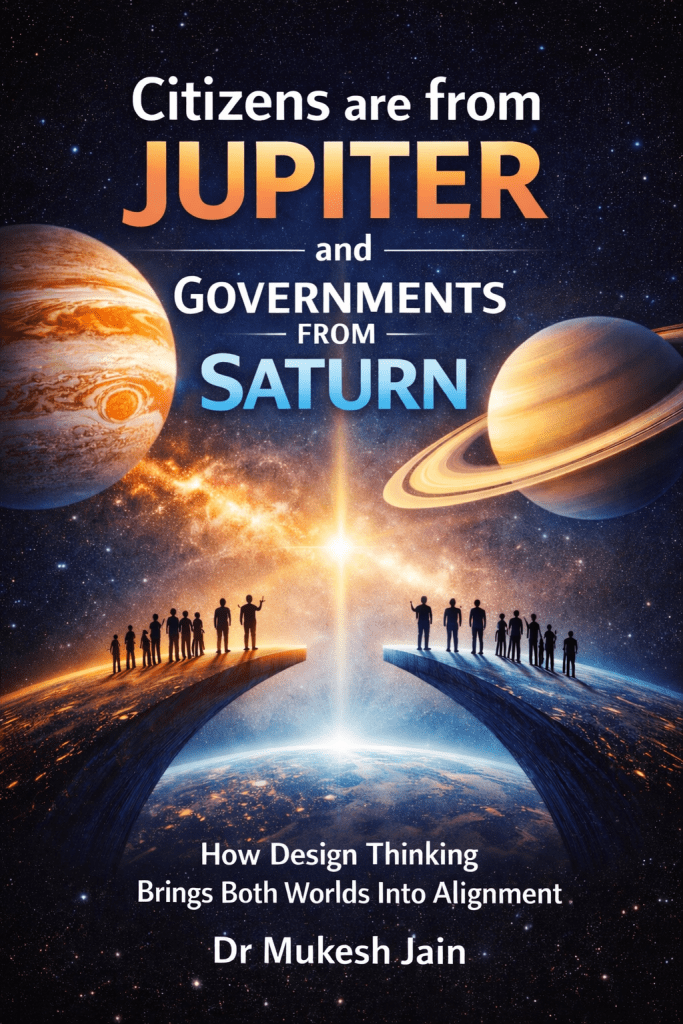
Dr. Mukesh Jain has authored many books on Public Policy and Positive Psychology. His book, ‘Excellence in Government, is a recommended reading for many public policy courses. A leading publisher published his book- “A Happier You: Strategies to achieve peak joy in work and life using science of Happiness”, which received book of the year award in 2022. His other books are : ‘Mindset for Success and Happiness’, ‘Seeds of Happiness’, and ‘What they don’t teach you at IITs and IIMs’.
He is a visiting faculty to many business schools and reputed training institutes. He is an expert trainer of “The Science of happiness”. He has conducted more than 250 workshops on the Science of Happiness at many prominent B-schools and administrative training institutes of India, including Indian School of Business Hyderabad/ Mohali, National Police Academy, IIFM, National Productivity Council etc.
 School Of Happiness by Mukesh Jain