
Long before Bollywood existed, India already believed that music was divine. In our mythology, creation does not begin with light or matter. It begins with sound. Nāda Brahma — the world itself is vibration. Saraswati holds a veena, not a weapon. The Gandharvas are not warriors or rulers, but musicians. Even emotions in ancient texts were rarely explained in prose — they were sung.
So when cinema arrived in India, it was almost inevitable that films would speak in music. Bollywood didn’t really add songs to movies. Songs were always the point. Stories were built around them. Characters existed so that songs could breathe. Plots paused so that feelings could sing.
More than a hundred years later, everything has changed — cameras, budgets, platforms, algorithms. Yet one truth remains untouched: we don’t remember films, we remember songs. Songs sneak into our lives, attach themselves to moments, and quietly refuse to leave. They play during first love, last goodbyes, lonely nights, weddings, train journeys, and those odd afternoons when memory arrives without warning.
Some songs go further than nostalgia. They don’t just become popular. They change the emotional grammar of Bollywood itself. This is the story of 20 or so such songs as a flowing journey through how Hindi cinema learned to feel, to love, to ache, and to grow up.
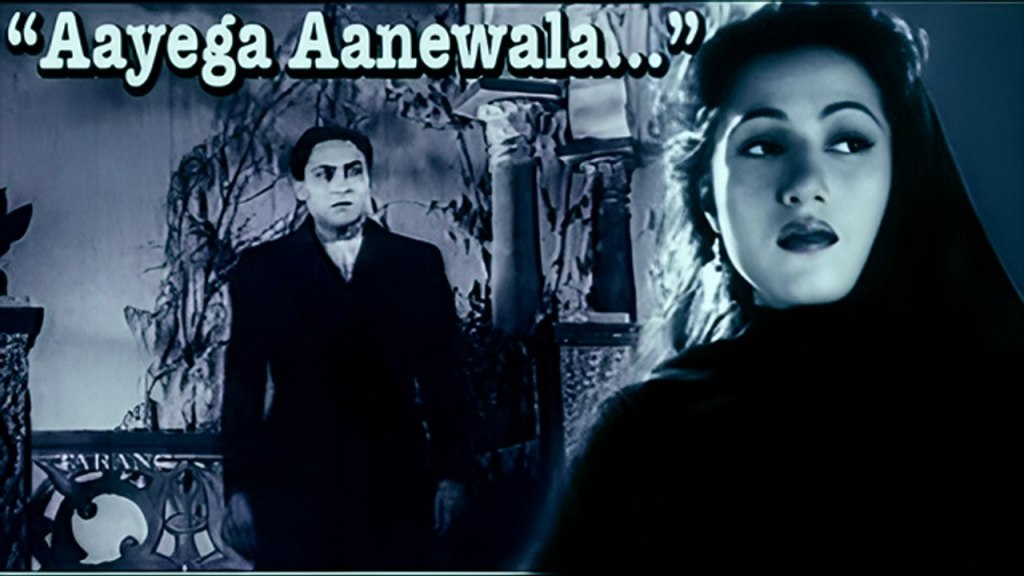
Everything truly begins with “Aayega Aane Wala” from Mahal. When a young Lata Mangeshkar sang this haunting melody, listeners across India felt something unfamiliar. At the time, no one knew that a young singer named Lata Mangeshkar was about to become the emotional voice of a nation. The song floated like a whisper from another world. Many listeners believed the voice didn’t belong to a person at all. The voice seemed detached from the body that produced it. It floated. It trembled. It sounded almost supernatural. With this one song, Bollywood discovered how longing should sound. After this, love would never shout; it would quiver. Sadness would not scream; it would linger. Hindi cinema’s emotional tone was set for decades.
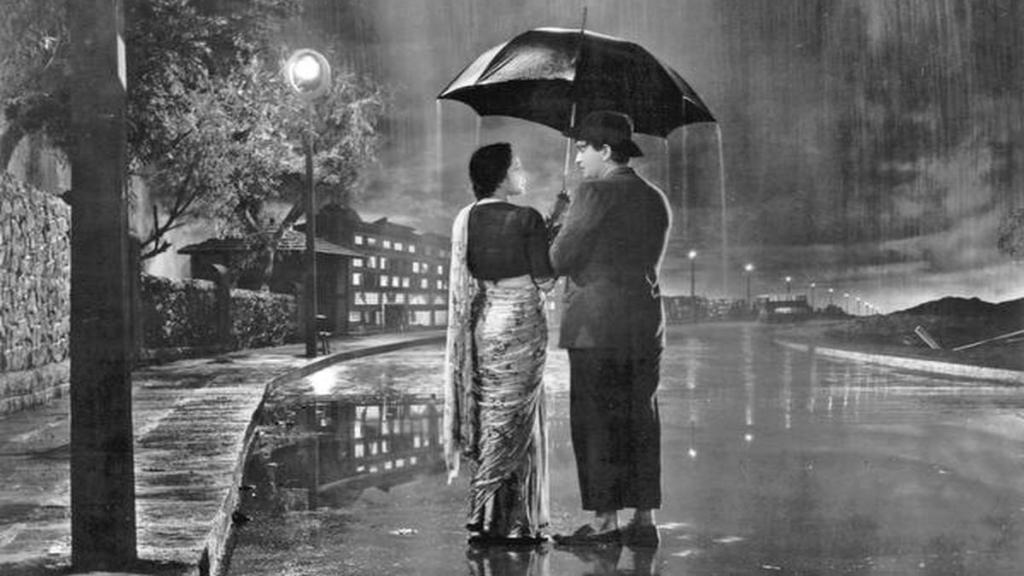
Soon after came “Pyaar Hua Iqraar Hua” from Shree 420. Two people, one umbrella, endless rain. Raj Kapoor and Nargis do something revolutionary here — they don’t perform romance, they walk through it. This song taught Bollywood a radical idea: love doesn’t need fireworks. Sometimes, love just needs shared silence and the courage to walk slowly together. Even today, rain in India feels incomplete without this tune echoing somewhere nearby.
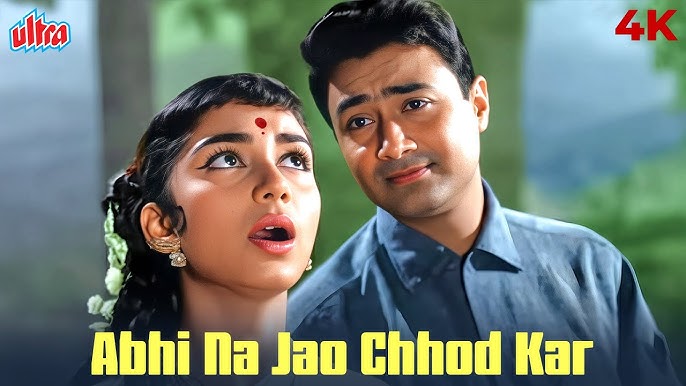
Then came one of the most delicate pauses in Hindi cinema: “Abhi Na Jao Chhod Ke” from Hum Dono. This song is not about love beginning or ending. It is about love begging time to stop. No dramatic scenery, no exaggerated gestures — just a soft plea to remain a little longer. Bollywood learned here that restraint can be devastatingly romantic, that a quiet request can hurt more than a loud declaration.
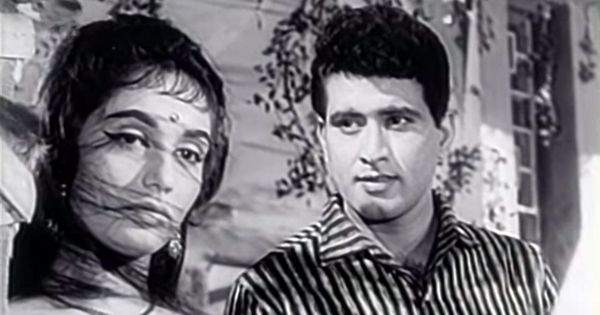
That quiet ache reached its purest form in “Lag Ja Gale” from Woh Kaun Thi. Few songs in Indian cinema carry such existential weight. This is not hopeful romance; it is love fully aware of impermanence. A hug that knows it might be the last. A moment cherished because it may never return. With this song, Bollywood discovered that romance could coexist with mortality — and become deeper because of it. Decades later, it remains one of the most revered songs ever sung, not because it is old, but because it is true.
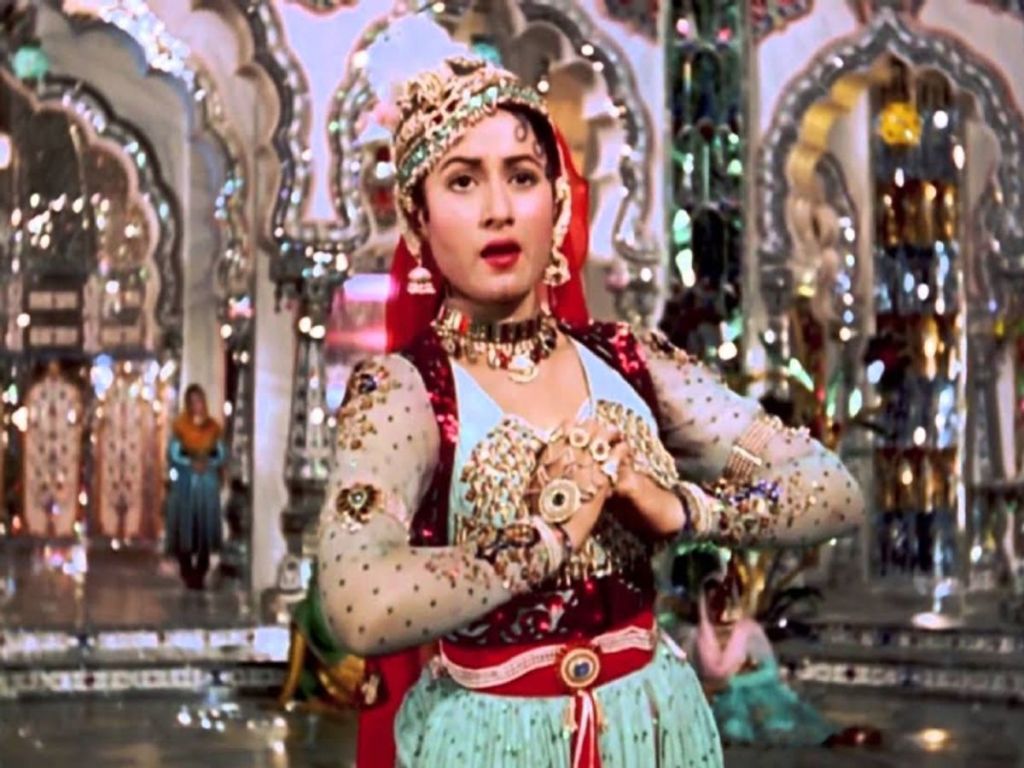
If early songs were poetry, “Pyaar Kiya To Darna Kya” from Mughal-e-Azam turned songs into architecture. Thousands of mirrors, monumental sets, and a woman singing defiance in a court of power. This was not just visual extravagance. It was a statement: songs could be grand without losing meaning. Spectacle and soul did not have to compete. Bollywood learned that music could confront authority and still remain lyrical.
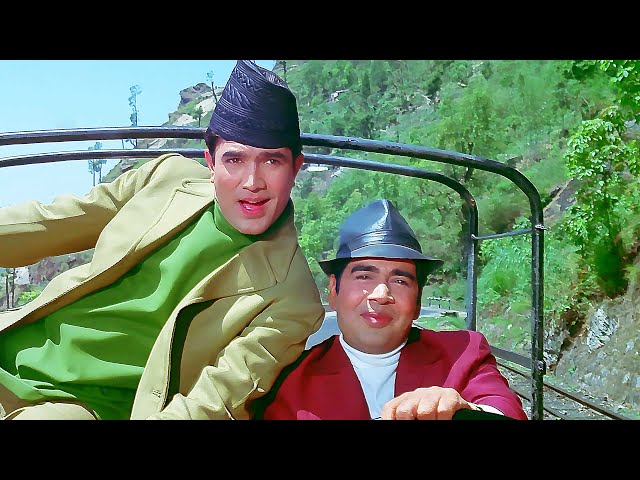
Then romance found wheels. With “Mere Sapnon Ki Rani” from Aradhana, a man sang from a jeep, a woman smiled politely, and an entire nation tilted. That man was Rajesh Khanna, and after this song, India invented the idea of the romantic superstar. Love became playful, approachable, and hummable. Romance was no longer distant poetry; it was something you could whistle on your way home.
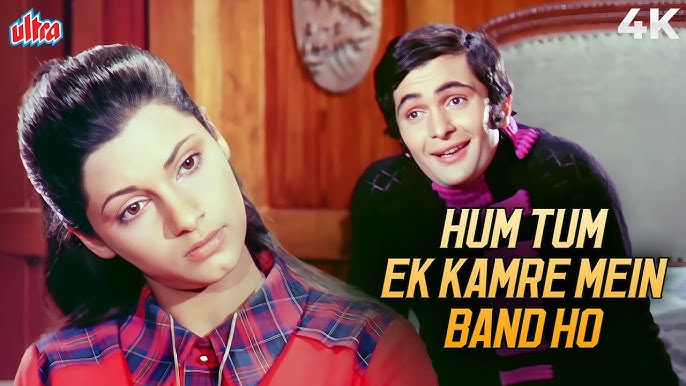
By the 1970s, Bollywood began to grow younger — and more honest. “Hum Tum Ek Kamre Mein” from Bobby captured nervous laughter, awkward closeness, and the tension of first intimacy. It embarrassed adults and made teenagers feel understood. For the first time, youth was not idealised; it was observed. Love felt lived-in, not staged.
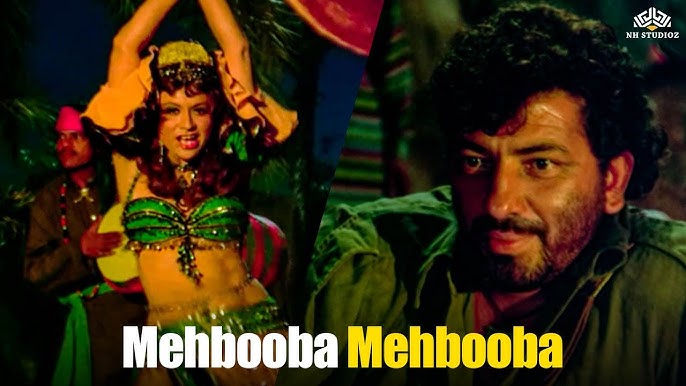
Then music rebelled. “Mehbooba Mehbooba” from Sholay arrived with foreign rhythms, raw masculinity, and undeniable swagger. Romance stepped aside; mood took over. This song cracked the door open for experimentation. Bollywood realised that music didn’t always have to plead for love — sometimes, it could simply command attention.
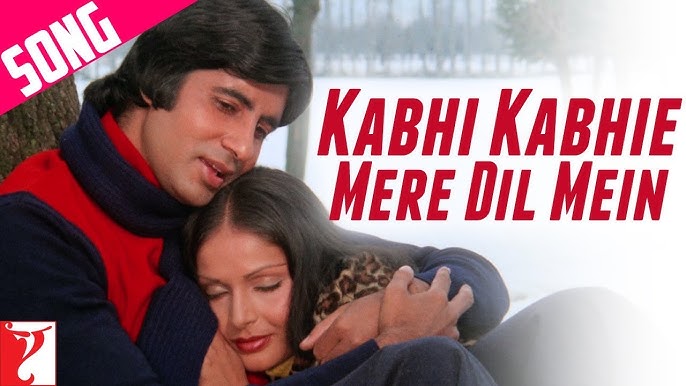
Yet poetry refused to disappear. “Kabhi Kabhi Mere Dil Mein” from Kabhi Kabhie whispered back in an era dominated by anger and action. It reminded filmmakers and audiences alike that the most powerful emotions are often spoken softly. Some revolutions arrive quietly — and last longer.
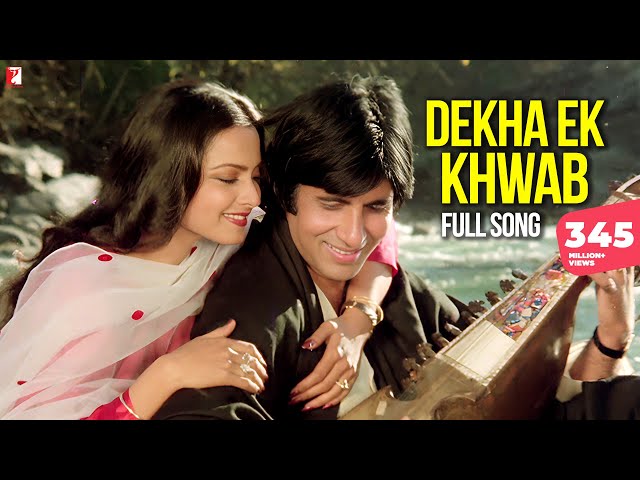
That sense of intimacy deepened with “Dekha Ek Khwab” from Silsila. The chemistry between Amitabh Bachchan and Rekha felt almost intrusive, as if viewers were witnessing something they weren’t supposed to see. Some songs become iconic because they feel forbidden, because they blur the line between performance and reality.

The 1990s then arrived like a generous host, showering Bollywood with melody. “Dheere Dheere Se” from Aashiqui made music albums bigger than films themselves. “Pehla Nasha” from Jo Jeeta Wohi Sikandar captured first love so accurately that it became emotional shorthand for an entire generation — dizzy, confused, euphoric.

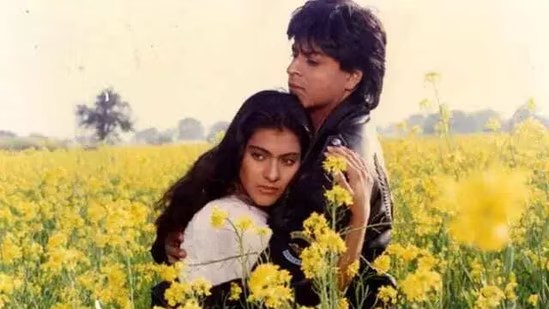
And then came “Tujhe Dekha To” from Dilwale Dulhania Le Jayenge. Mustard fields, violins, and Shah Rukh Khan stretching his arms. Bollywood romance acquired a passport. Love went global without losing its Indian heart.
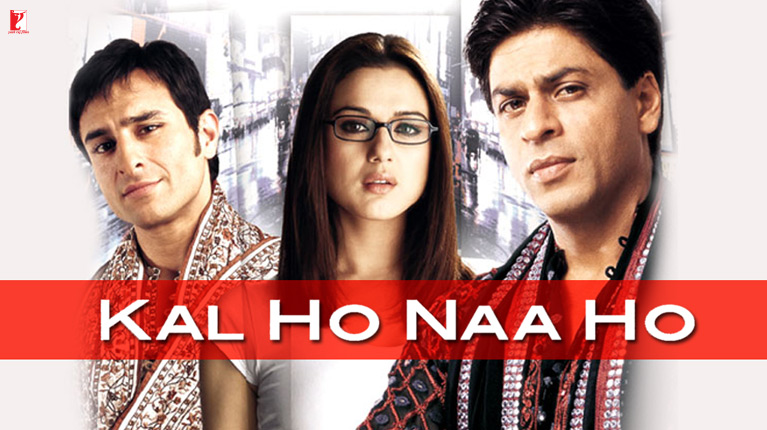
By the early 2000s, Hindi cinema learned a difficult truth: sadness lasts longer than joy. “Kal Ho Naa Ho” from Kal Ho Naa Ho rewrote the emotional grammar of Bollywood. Love was no longer about winning. Sometimes, it was about letting go — with grace. Crying openly became brave.
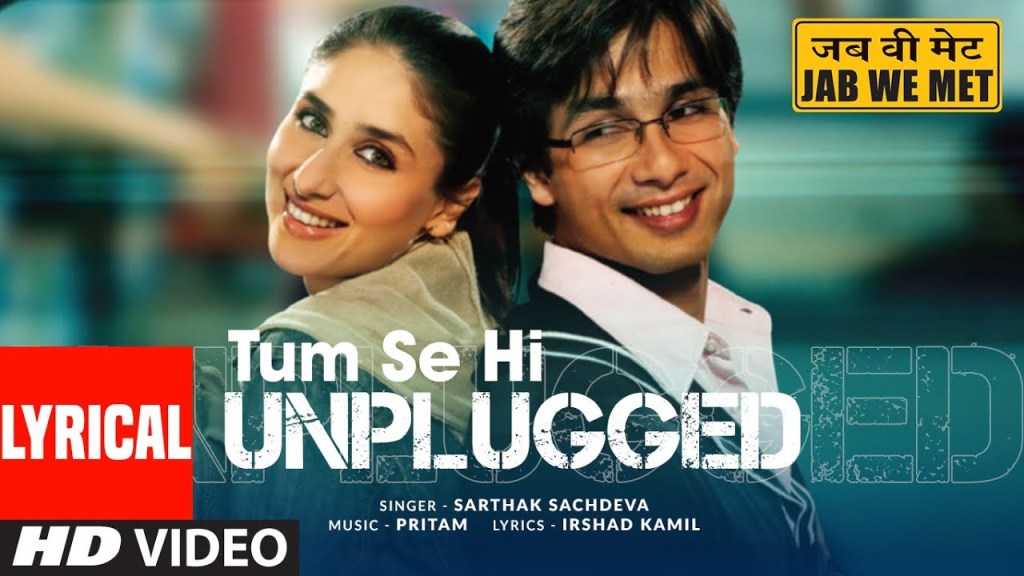
“Tum Se Hi” from Jab We Met took romance inward. Love became reflective, almost meditative — less about possession, more about becoming yourself.
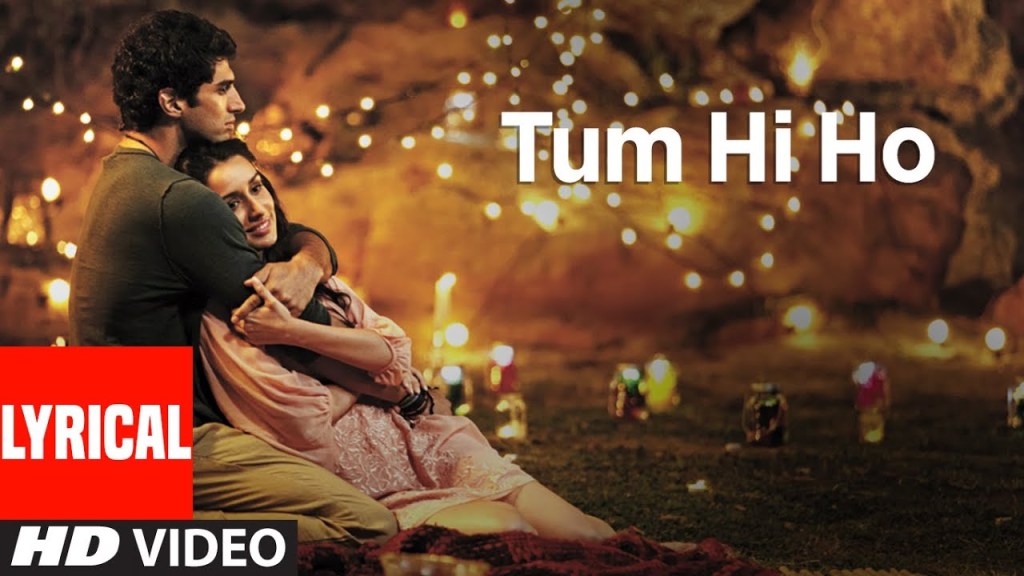
Then came the great reset. “Tum Hi Ho” from Aashiqui 2 stripped Bollywood music to its bones. One voice. One heartbreak. Minimal arrangement. It launched Arijit Singh and ushered in an era where vulnerability was no longer hidden behind orchestration. Emotions stopped performing and started confessing.
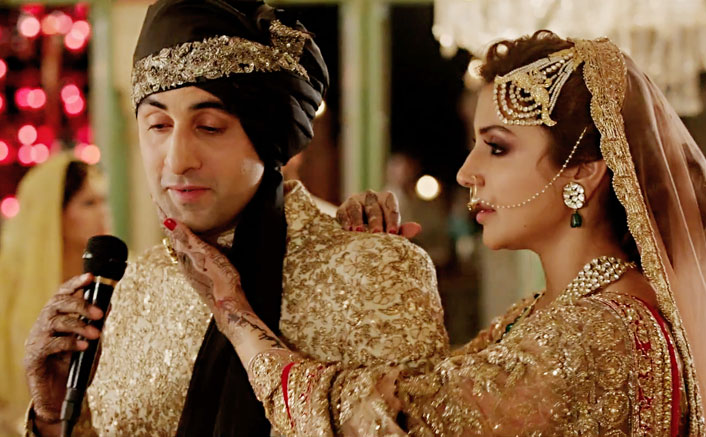
That honesty matured in “Channa Mereya” from Ae Dil Hai Mushkil. Heartbreak learned dignity. Love was expressed through letting go, not possession.
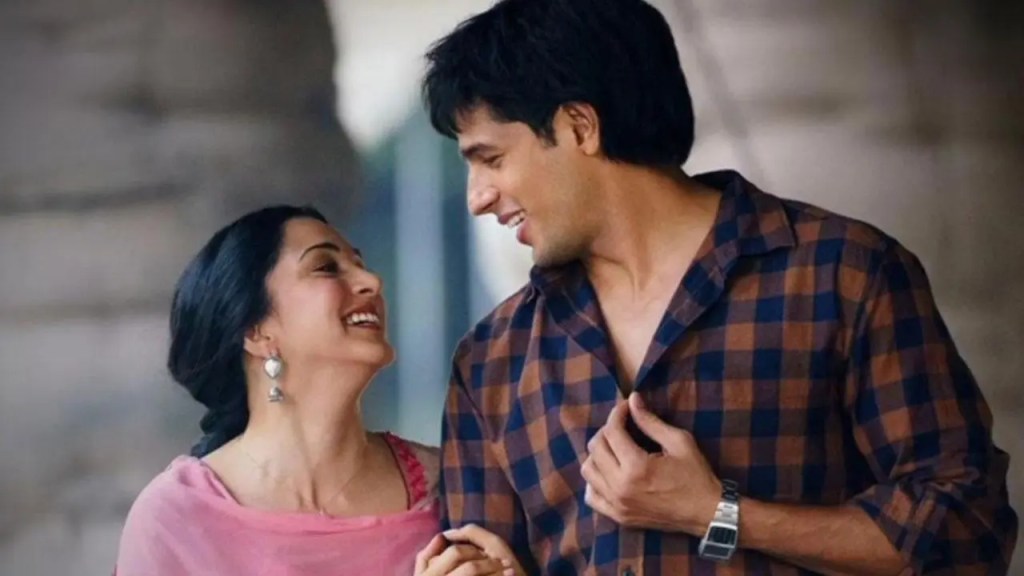
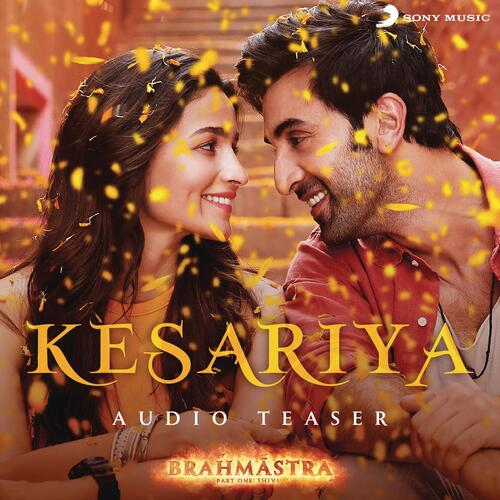
In the last few years, Bollywood songs have grown softer, quieter, and deeper. “Raatan Lambiyan” from Shershaah felt like absence itself. “Kesariya” from Brahmāstra became a communal song, sung imperfectly but lovingly by millions.
And that is the real change.
Films age. Formats change. Platforms rise and fall. But songs stay — waiting patiently for that one evening when a lyric hits harder than expected, when a melody unlocks a memory you didn’t know you still had.
In Indian tradition, music was a path to the divine. In Bollywood, it became a path back to ourselves.
And maybe that’s why, no matter how much the world changes, we still turn to songs — not to escape life, but to feel it fully.
About the Author
Dr Mukesh Jain is a Gold Medallist engineer in Electronics and Telecommunication Engineering from MANIT Bhopal. He obtained his MBA from the prestigious management institute, the Indian Institute of Management Ahmedabad. He obtained his Master of Public Administration from the Kennedy School of Government, Harvard University along with Edward Mason Fellowship. He had the unique distinction of receiving three distinguished awards at Harvard University: The Mason Fellow award and The Lucius N. Littauer Fellow award for exemplary academic achievement, public service & potential for future leadership. He was also awarded The Raymond & Josephine Vernon award for academic distinction & significant contribution to Mason Fellowship Program. Mukesh Jain received his PhD in Strategic Management from IIT Delhi. His focus of research has been Capacity building of organizations using Positive psychology interventions, Growth mindset and Lateral Thinking etc.
Mukesh Jain joined the Indian Police Service in 1989, Madhya Pradesh cadre. As an IPS officer, he held many challenging assignments including the Superintendent of Police, Raisen and Mandsaur Districts, and Inspector General of Police, Criminal Investigation Department and Additional DGP Cybercrime, Transport Commissioner Madhya Pradesh and Special DG Police. He has also served as Joint Secretary in Ministry of Power and Ministry of Social Justice and Empowerment, Government of India. As Joint Secretary, Department of Persons with Disabilities, he conceptualized and implemented the ‘Accessible India Campaign’, launched by Hon’ble Prime Minister Shri Narendra Modi in December 2015. This campaign is aimed at creating accessibility in physical infrastructure, Transportation, and IT sectors for persons with disabilities and continues to be a flagship program of the Ministry of Social Justice and Empowerment, Government of India since 2015.
Dr. Mukesh Jain has authored many books on Public Policy and Positive Psychology. His book, ‘Excellence in Government, is a recommended reading for many public policy courses. A leading publisher published his book- “A Happier You: Strategies to achieve peak joy in work and life using science of Happiness”, which received book of the year award in 2022. His other books are : ‘Mindset for Success and Happiness’, ‘Seeds of Happiness’, and ‘What they don’t teach you at IITs and IIMs’.
He is a visiting faculty to many business schools and reputed training institutes. He is an expert trainer of “The Science of happiness”. He has conducted more than 250 workshops on the Science of Happiness at many prominent B-schools and administrative training institutes of India, including Indian School of Business Hyderabad/ Mohali, National Police Academy, IIFM, National Productivity Council etc.
 School Of Happiness by Mukesh Jain