Ask ten people in India what success means, and you will hear ten different answers.
- Some will say a government job.
- Some will say a big salary, a car, or a flat in a good society.
- Some will say becoming famous, powerful, or “settled.”
Most of our ideas of success are about doing more and getting more.
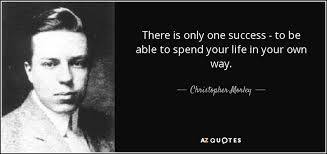
But a long time ago, a writer named Christopher Morley said something very different:
“There is only one success — to be able to spend your life in your own way.”
It sounds very simple. Almost obvious. But if you think about it honestly, you realise how rare this success really is. Because living life in your own way is not easy in a world full of expectations.
The Success Everyone Chases… and Few Enjoy
We are taught early what success should look like.
- Good marks.
- Good college.
- Good job.
- Marriage at the “right” age.
- Children.
- Promotion.
- Retirement.
There is nothing wrong with these things. But the problem begins when we stop asking ourselves one important question: Is this the life I want, or the life I was told to want?
Many people do everything “right” and still feel tired, restless, and unhappy inside.
Management thinker Peter Drucker once warned that we often work very hard on the wrong things. In simple words, we climb ladders that are leaning against the wrong wall.
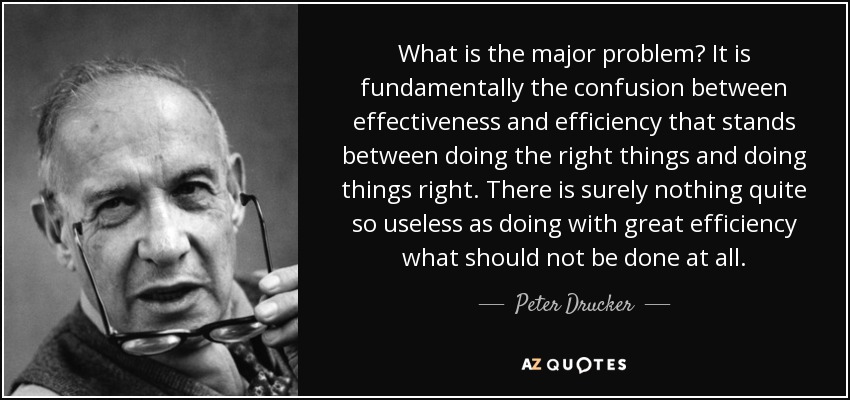
In India, this happens often. A young person may become an engineer or doctor not because they love it, but because society respects it. Years later, they earn well but feel empty. Morley’s idea reminds us that real success is not about pleasing the world.
It is about being at peace with yourself.
Freedom Is the Real Richness
In our country, we talk a lot about money. But what people really want is freedom.
- Freedom from constant pressure.
- Freedom from comparison.
- Freedom to choose how to live.
Entrepreneur Tim Ferriss once said that people don’t actually want to be rich. They want control over their time. They want to decide when to work, when to rest, and how to live. Think of the small shop owner who closes his shop on Sundays to spend time with family. Or the teacher who earns less but sleeps peacefully at night. They may not look “successful” by society’s standards, but they have something precious — control over their lives.
Even Swami Vivekananda said something similar in spirit:
“Take up one idea. Make that one idea your life.” That idea must be yours, not borrowed.
Why Living True Feels Better Than Winning
Science now tells us what our elders always knew. When people live against their nature, they suffer. When they live in alignment, they grow.
Psychologists say we need three things to feel alive: freedom to choose, the chance to improve, and a sense of purpose.
This is why many people with less money feel happier than those with more. Their lives make sense to them. In India, we see this in farmers who love the land, artists who struggle but continue, social workers who earn little but sleep with a clear heart.
As Rabindranath Tagore beautifully wrote: “I slept and dreamt that life was joy. I awoke and saw that life was service. I acted and behold, service was joy.”
The False Promise of “Someday”
Many of us tell ourselves:
“I’ll be happy after this exam.”
“After this promotion.”
“After retirement.”
But happiness does not wait at the end of the road. Psychologists call this the illusion of arrival — the belief that life will finally start later. But life is happening now.
The Courage to Choose Differently
Most people know what they want deep inside. Very few have the courage to admit it. Choosing a different path often means facing questions, criticism, and fear.
- Why not a “safe” job?
- Why not what everyone else is doing?
- What will people say?
Writer J.K. Rowling once said that failure removed everything unnecessary from her life. In India too, many people discover their true calling only after setbacks — when society’s expectations fall away.
As A.P.J. Abdul Kalam wisely said: “Man needs his difficulties because they are necessary to enjoy success.”
Sometimes, difficulty gives us the courage to be ourselves.
When Life Takes Away All Choices
But what if life itself is unfair? Psychiatrist Viktor Frankl, who survived unimaginable suffering, taught the world that even when we cannot change our situation, we can choose our response.
In India, we see this in people who face illness, poverty, or loss, yet continue with dignity and meaning. This teaches us that success is not always about shaping life — sometimes it is about holding meaning, even when life is hard.
Knowing Yourself Is the Beginning
Real success starts with knowing who you are.
Indian philosophy has always emphasised this. The Upanishads say:
“Know thyself.”
When you understand your values, you stop comparing. You stop running someone else’s race. Investor Naval Ravikant says true freedom begins when you stop caring about others’ opinions.
A Better Way to Measure Success
What if success meant waking up without dread?
What if it meant having time for parents, children, or silence?
What if it meant sleeping peacefully?
At the end of life, no one asks how many awards you won. They remember how you made people feel.
As Gandhiji said: “Happiness is when what you think, what you say, and what you do are in harmony.” That harmony is success.
A Life You Design Slowly
Living in your own way is not a one-time decision.
It is a daily choice.
You keep asking:
- Is this still right for me?
- Am I living out of fear or truth?
- What really matters now?
People who live this way may not look extraordinary. But they live ordinary lives with extraordinary peace. The Japanese word ikigai means “reason for being.” In India, we might call it dharma — living in tune with your nature. When your work, values, and life move in the same direction, you feel whole.
- That is the success Christopher Morley spoke about.
- That is the success our scriptures hinted at.
- That is the success many people quietly seek.
Because in the end, there is only one success that matters: To be able to spend your life — honestly, peacefully, and in your own way.
Dr Mukesh jain, an IPS officer of Madhya Pradesh cadre, is an MBA from the Indian Institute of Management Ahmedabad. He obtained his Master of Public Administration from the Kennedy School of Government, Harvard University along with Edward Mason Fellowship. He obtained his PhD in Strategic Management from Department of Management Studies, Indian Institute of Technology, Delhi. He has held some very challenging assignments in the state government and Government of India.
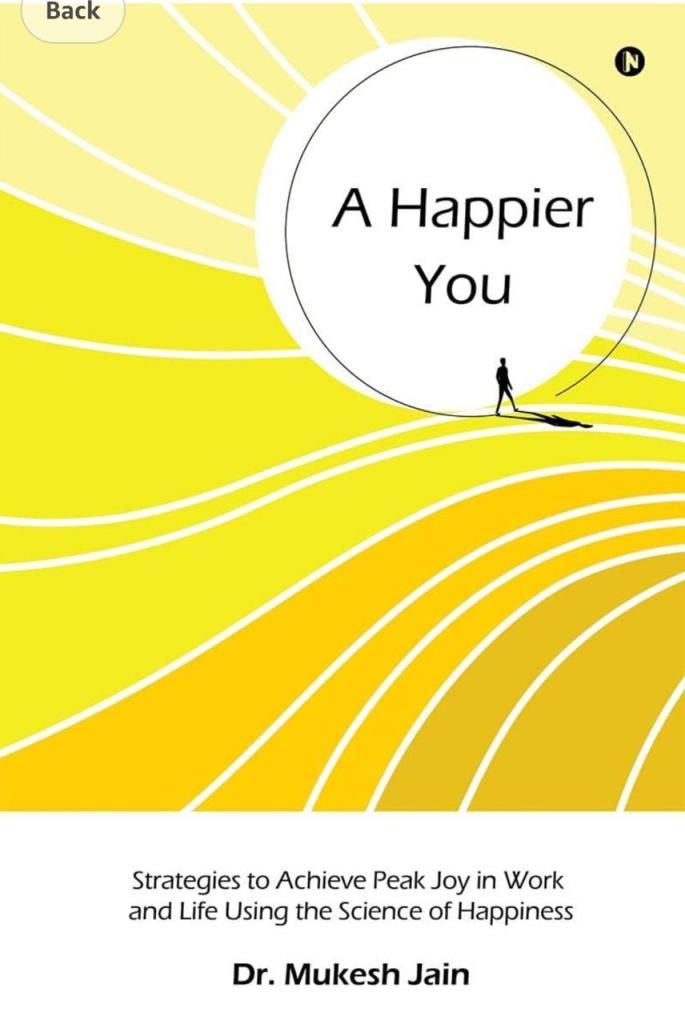
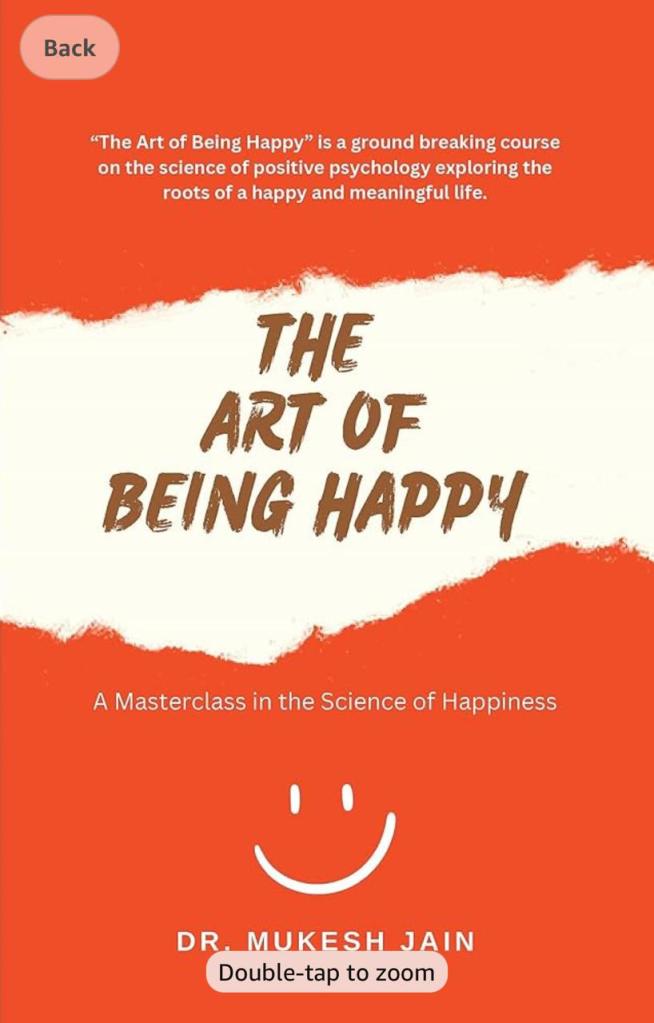
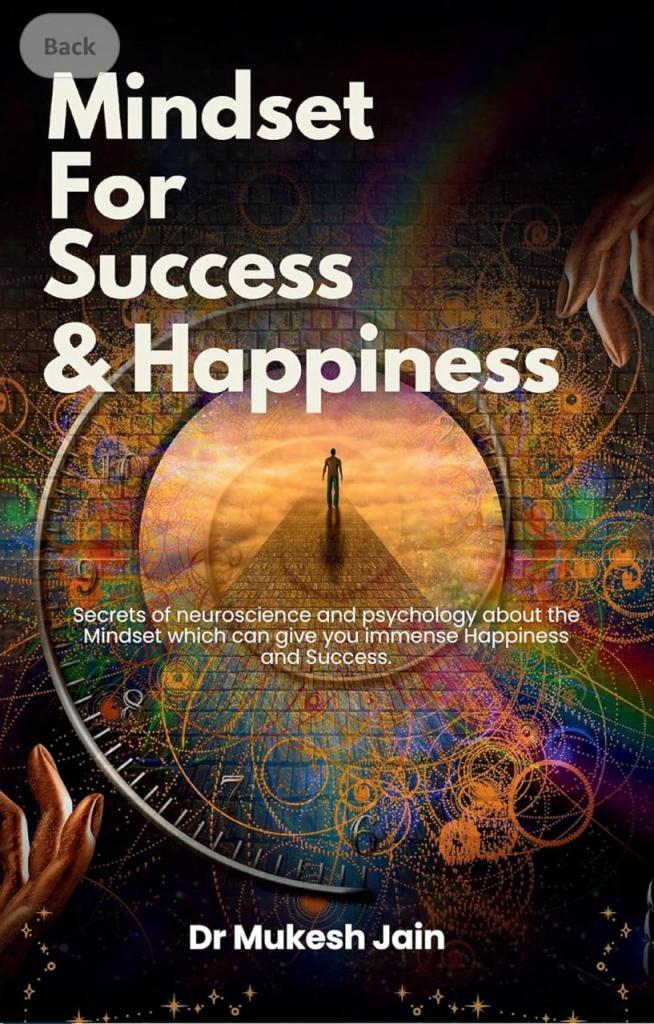
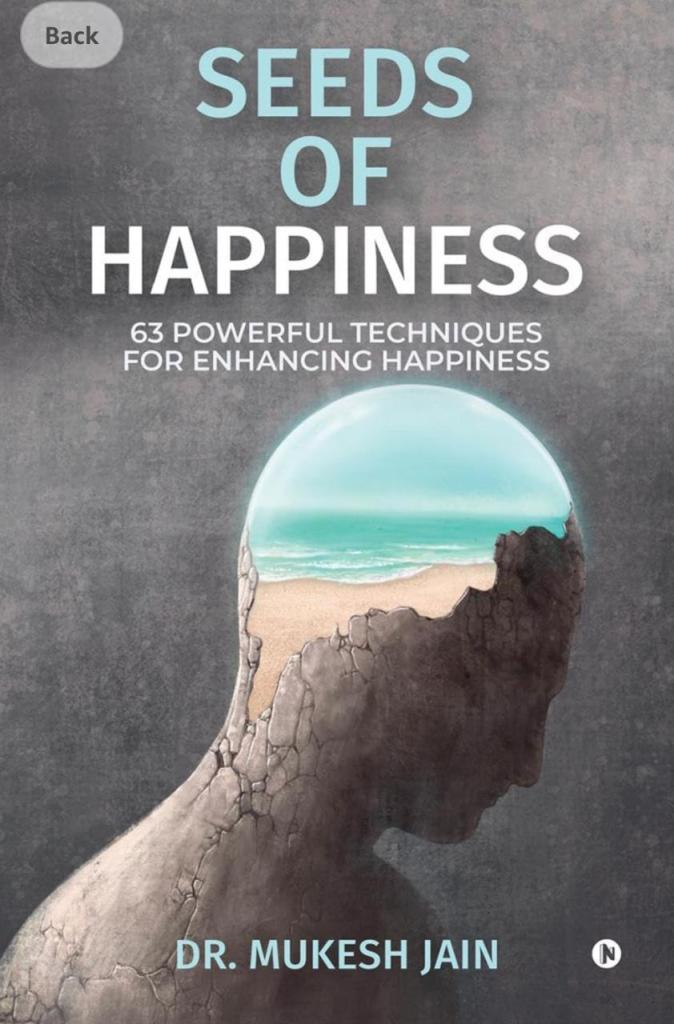
His book- “A Happier You: Strategies to achieve peak joy in work and life using science of Happiness”, received book of the year award in 2022. After this, two more books, first, A ‘Masterclass in the Science of Happiness’ and the other, ‘Seeds of Happiness’, have also been received very well. Dr Mukesh jain is a visiting faculty to many business schools and reputed training institutes of the country.
 School Of Happiness by Mukesh Jain