Have you ever been in a completely ordinary moment—washing dishes, driving alone, lying on the bed—and suddenly a song comes on… and something inside you shifts?
- You were tired, and suddenly lighter.
- You were anxious, and your breath slowed down.
- You were low, and without knowing why, you felt a little hopeful again.
That tiny shift matters more than we realize.
Because it reveals a quiet truth: music doesn’t just fill silence—it fills emotional gaps we didn’t know how to name.
Long before science entered the picture, humans already knew this. We sang when we were joyful. We sang when we were grieving. We sang to celebrate births, marriages, harvests, and even goodbyes. Music has always walked with us through life. Today, neuroscience is simply explaining why it works so deeply.
What Your Brain Is Really Doing When You Listen to Music
When music reaches your ears, it doesn’t stop there. It travels inward—straight into the emotional center of your brain.
Your brain lights up in many places at once: emotion, memory, movement, pleasure. Chemicals linked to joy and motivation begin to flow. Muscles loosen. Breathing changes. The mind softens.
That warm feeling you get while listening to a favorite song—whether it’s Kabira, Pehla Nasha, or Ilahi—is not imagination.
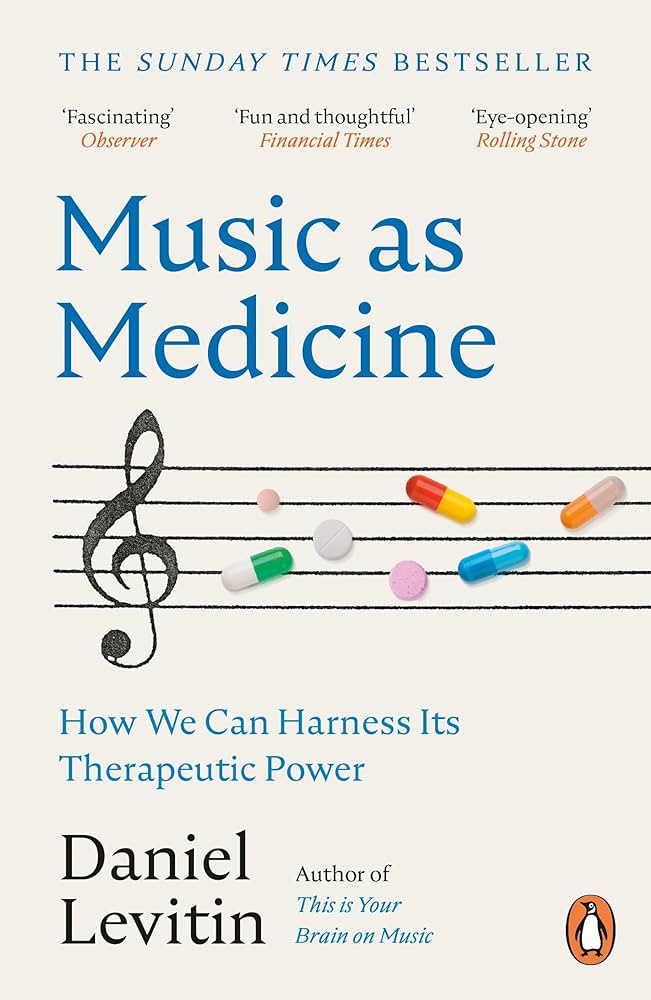
Neuroscientist and bestselling author Daniel Levitin explains that music activates the brain’s reward system and releases dopamine, the same chemical involved in love, laughter, good food, and meaningful connection.
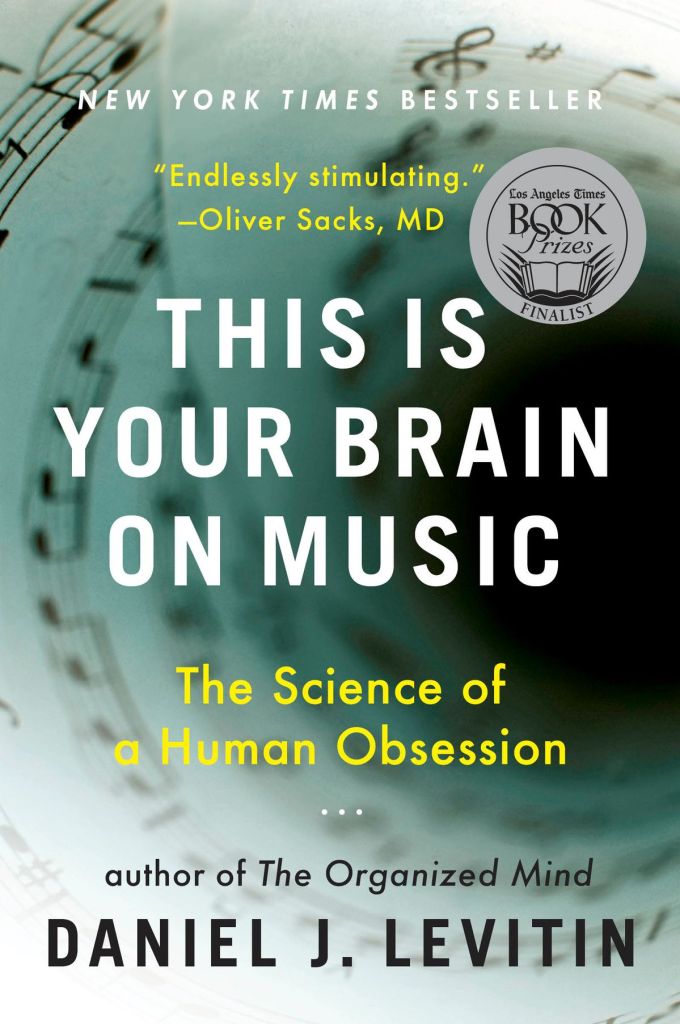
In his words:
“Music is one of the most powerful things we have for regulating emotion. It can change the way we feel in seconds.”
Notice something important here.
Music doesn’t command happiness.
It creates the conditions for happiness.
And unlike success or perfection, music never asks you to be better first. You don’t need to deserve it. You just need to press play.
Music Doesn’t Fix Emotions — It Listens to Them
One of music’s greatest gifts is that it doesn’t judge what you’re feeling.
If you’re stressed, it calms you.
If you’re exhausted, it energizes you.
If you’re overwhelmed, it simply stays with you.
We often think emotions are problems to be solved. Music teaches us something gentler: sometimes emotions don’t need fixing—they need expression.
A slow song slows your breathing.
A steady beat grounds your body.
A familiar melody reminds you who you were before life became complicated.
In that sense, music is not a tool.
It’s a companion—walking beside you, not pushing you forward.
Why Songs From Your Teenage Years Feel So Powerful
Now here’s something fascinating—and deeply personal.
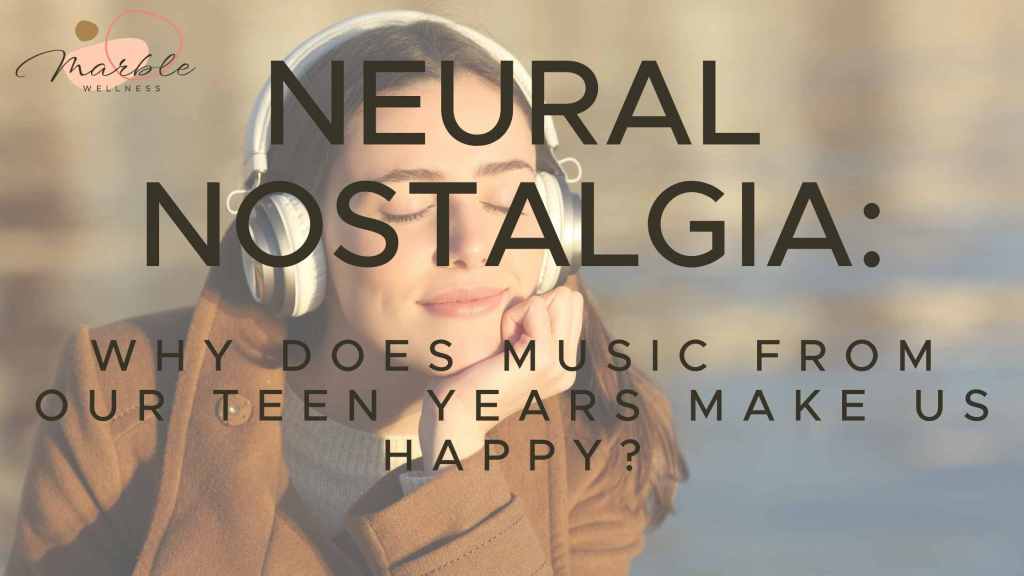
Have you noticed that the songs you loved as a teenager still hit differently?
There’s a reason for that.
Research in psychology and neuroscience shows that music we hear between roughly ages 12 and 25 becomes deeply wired into our identity. Scientists call this the reminiscence bump. During these years, the brain is especially sensitive to emotion, novelty, and meaning. Identity is forming. Feelings are intense. Everything feels personal.
So when music enters your life during this phase, it doesn’t get stored as “just sound.”
It gets stored as sound + emotion + memory.
That’s why a song you loved at sixteen can still move you at forty-six. It doesn’t just remind you of the past—it reconnects you with a version of yourself that felt free, hopeful, or alive.
Levitin explains that familiar music is so pleasurable because the brain loves prediction. When you know what note or chorus is coming next, your brain rewards you with pleasure. That’s why teenage music feels timeless. It’s not about taste. It’s about emotional imprinting.
Is There a “Right” Kind of Music for Happiness?
Not at all—and that’s actually good news.
Happiness doesn’t live in a genre.
It lives in connection.
The song that makes you happiest might remind you of:
- a road trip
- a college hostel room
- a festival night
- a friendship
- a version of yourself that felt lighter
Some people find joy in soft classical music.
Others in old Bollywood melodies.
Some in devotional chants.
Some in energetic dance beats like Gallan Goodiyan or Badtameez Dil.
There is no correct answer—only an honest one.
If a song makes you feel lighter, warmer, or more alive, it is doing exactly what music is meant to do.
Why Your Body Wants to Move When Music Plays
Ever noticed how hard it is to stay still when the right song comes on?
That’s not lack of discipline. That’s biology.
Music naturally activates parts of the brain connected to movement. When you tap your foot, sway, hum, sing, or dance, emotions stop getting stuck in your head and begin flowing through your body.
Movement plus music:
- releases stress
- breaks emotional stagnation
- reminds your nervous system that joy is safe
Levitin points out that music evolved as a full-body experience, not something humans were meant to consume passively.
You don’t need rhythm.
You don’t need grace.
You only need permission.
Using Music for Everyday Happiness (Without Overthinking It)
You don’t need a life overhaul. Small moments are enough.
Create a simple feel-good playlist for hard days.
- Match music to your mood—calm when you need rest, energetic when you need momentum.
- Listen fully once in a while, without scrolling.
- Hum or sing, even imperfectly.
- Start your morning with music instead of news.
These are not productivity hacks.
They are emotional hygiene.
A Final Thought to Carry With You
Music will not solve all your problems.
But it will soften them.
It will sit with you when words fail.
It will remind you—again and again—that joy has visited your life before, and therefore can visit again.
In a world obsessed with effort, achievement, and control, music offers something quietly radical: ease.
So when life feels loud, confusing, or heavy, don’t overthink it.
Press play.
Let the melody hold you for three minutes.
Let the rhythm steady your breath.
Let the song bring you back to yourself.
Because sometimes happiness doesn’t arrive through thinking harder or fixing faster.
Sometimes… it arrives through a song you once loved—and never really lost.
Author
– Dr Mukesh Jain
Dr Mukesh Jain is an MBA from the Indian Institute of Management Ahmedabad. He obtained his Master of Public Administration from the Kennedy School of Government, Harvard University along with Edward Mason Fellowship. Mukesh Jain received his PhD in Strategic Management from IIT Delhi.
Mukesh Jain joined the Indian Police Service in 1989, Madhya Pradesh cadre. As an IPS officer, he held many challenging assignments in the state of Madhya Pradesh and Government of India. He served as Joint Secretary in the Ministry of Power and Joint Secretary, Department of Empowerment of Persons with Disabilities (Divyangjan) [DEPwD], Ministry of Social Justice & Empowerment, where he conceptualized and implemented the Accessible India Campaign (Sugamya Bharat Abhiyan), which was launched by the Hon’ble Prime Minister Shri Narendra Modi.
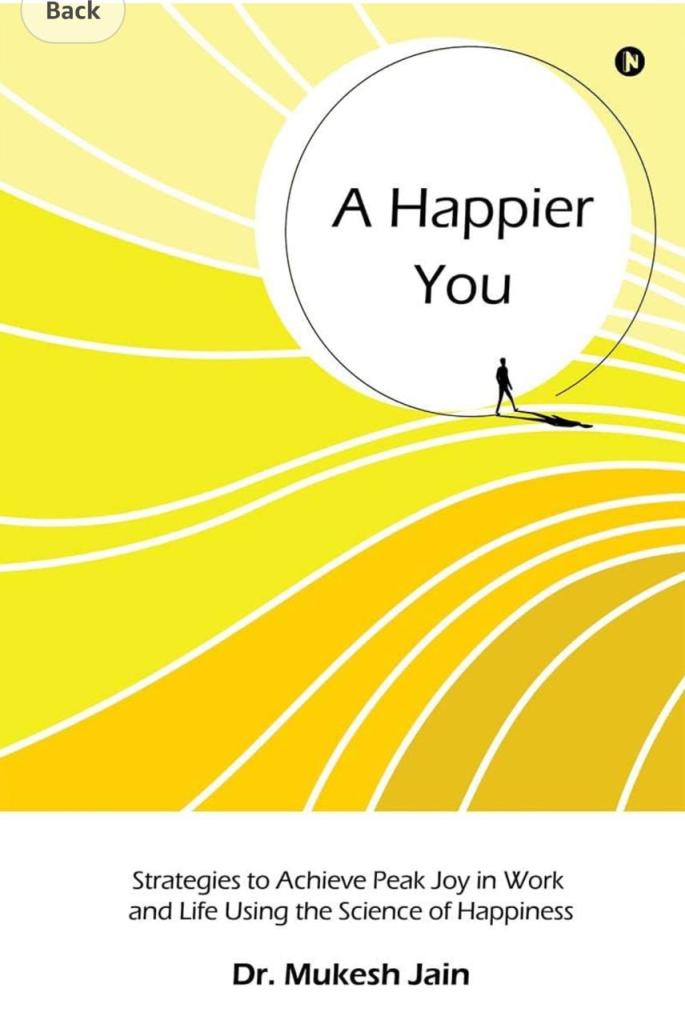
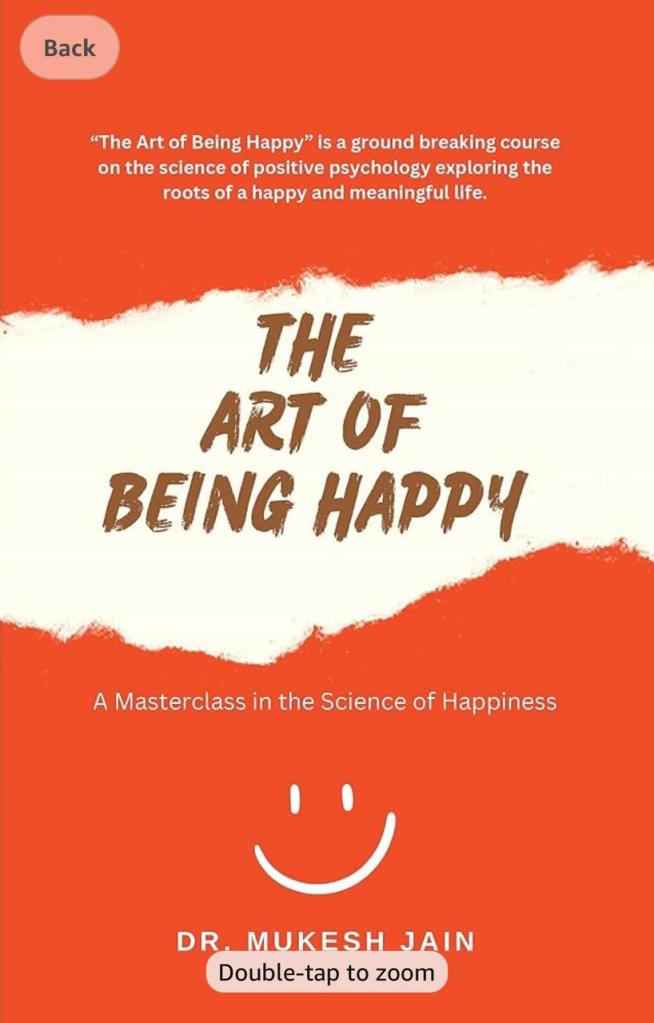
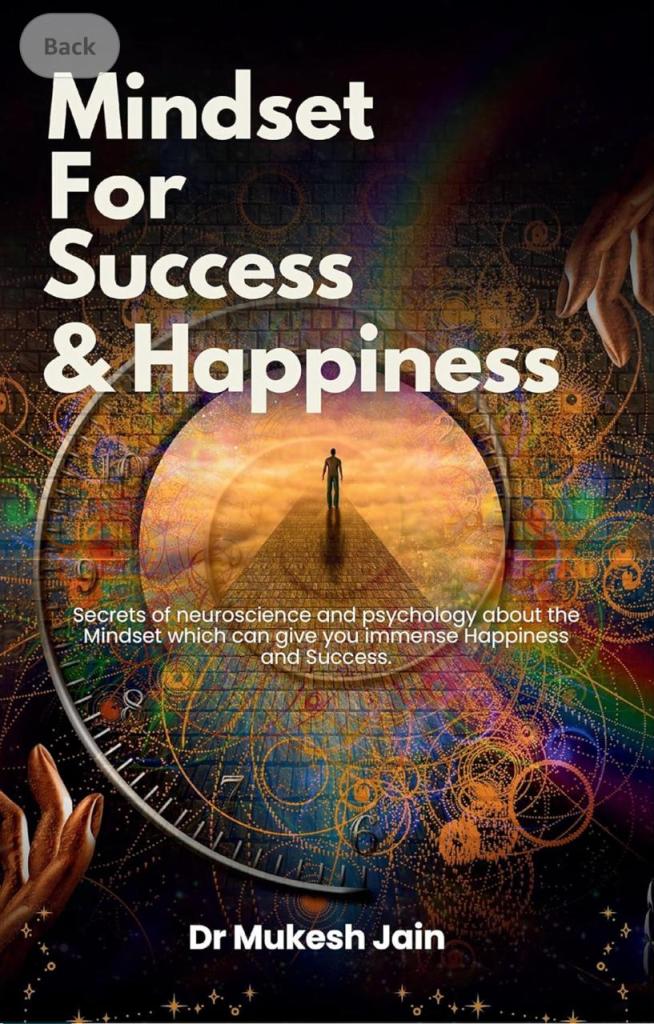
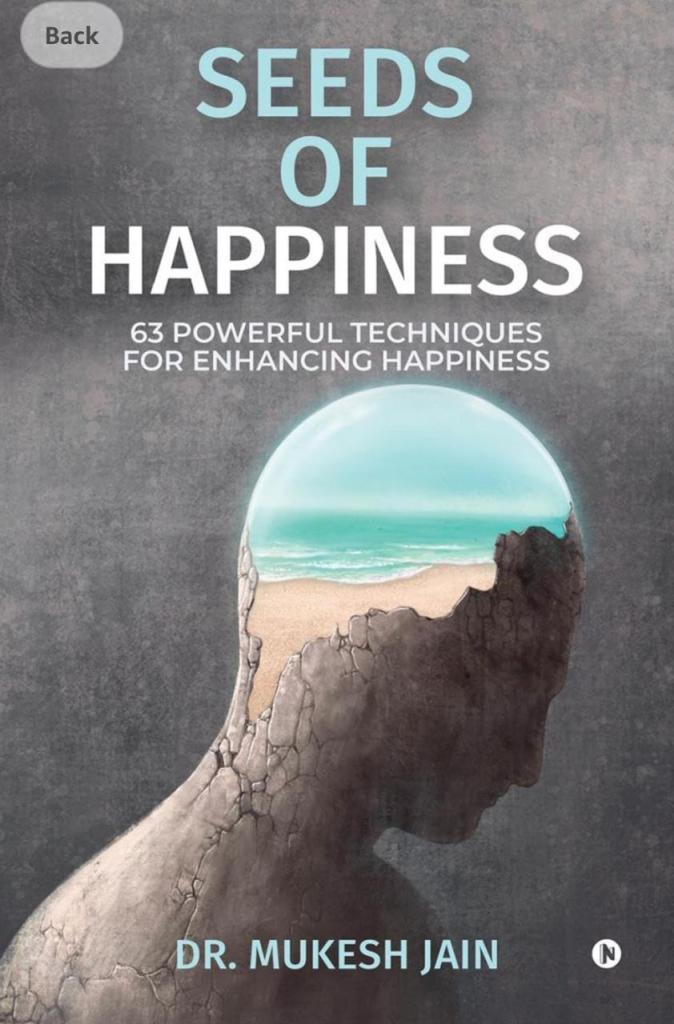
Dr. Mukesh Jain has authored many books on Public Policy and Positive Psychology. His book, ‘Excellence in Government, is a recommended reading for many public policy courses. His book- “A Happier You: Strategies to achieve peak joy in work and life using science of Happiness”, received book of the year award in 2022. After this, two more books, first, A ‘Masterclass in the Science of Happiness’ and the other, ‘Seeds of Happiness’, have also been received very well. He is a visiting faculty to many business schools and reputed training institutes.
 School Of Happiness by Mukesh Jain