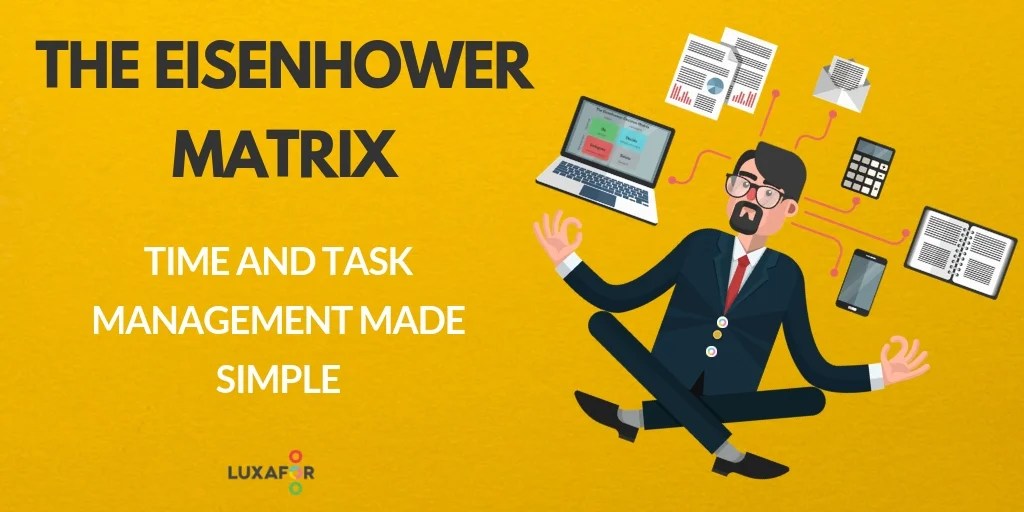
There’s a silent tragedy playing out in the lives of so many smart, capable people today.
They’re constantly busy, but rarely effective.
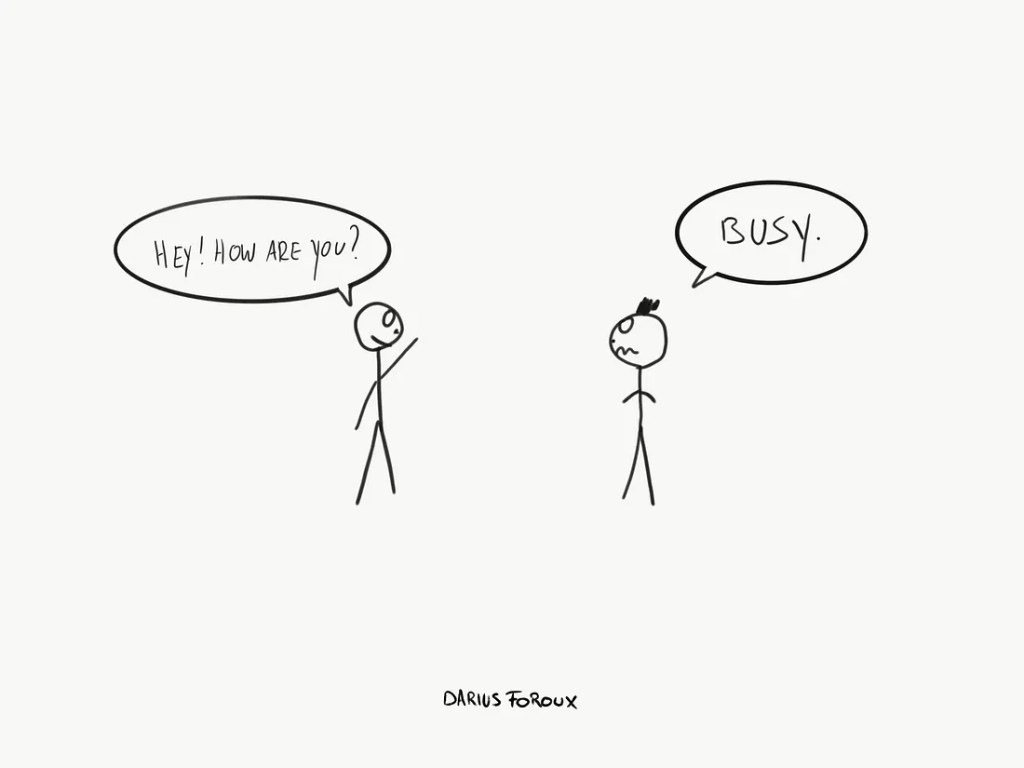
They clear their inbox, attend every meeting, reply to every WhatsApp message within five minutes… yet, when the day ends, there’s this quiet voice that whispers, “Did I really move forward? Or just run in circles again?”
We live in a world that glorifies hustle, celebrates speed, and equates full calendars with success.
You can reply to every email, attend every meeting, and tick off endless to-do lists—and still lie awake at night, wondering why you feel stuck, empty, and exhausted. That’s because we’ve confused urgency with importance. And in doing so, we’ve traded depth for speed, and meaning for motion.
But there’s a way out of this madness. And it comes from an old war general who knew the difference between firefighting and future-building.
Trust me, it might just be the most powerful self-management tool you’ll ever use—not just to manage your time, but to live your life.
The Origin Story: A President’s Productivity Hack
Dwight D. Eisenhower wasn’t just a U.S. President who spent eight years in the White House. Long before that, he held one of the most intense leadership roles in modern history—as the Supreme Commander of the Allied Forces during World War II. As President, he navigated the stormy waters of the Cold War, balanced nuclear diplomacy with the Soviet Union, laid the foundation for America’s space ambitions by creating NASA, and dealt with the early civil rights struggles that would go on to shape the soul of a nation. He oversaw massive infrastructure projects like the U.S. Interstate Highway System, helped rebuild post-war Europe through NATO leadership, and even admitted two new states—Alaska and Hawaii—into the Union. That’s the résumé of a man who lived under relentless pressure, constantly surrounded by crises, chaos, and critical decisions.
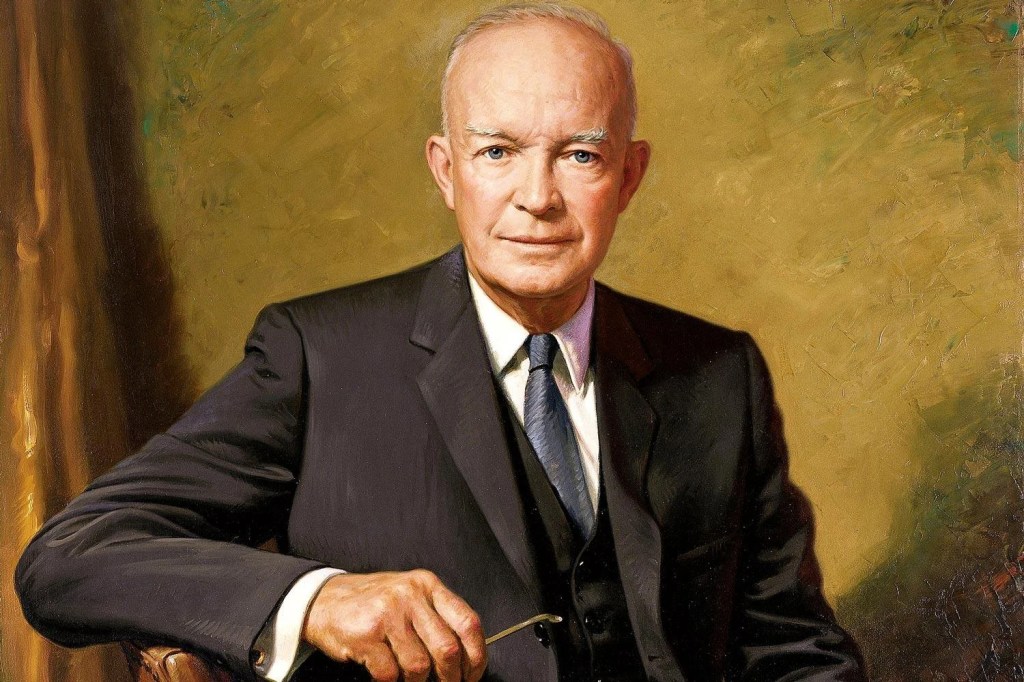
And yet, Eisenhower was widely admired for his composed demeanor, his clarity of thought, and his refusal to get swept up by the frenzy around him. He wasn’t known for knee-jerk reactions or being “always-on.” Instead, he operated from a place of strategic calm. His secret wasn’t an army of assistants or fancy productivity tools—it was a deceptively simple principle he lived by: “What is important is seldom urgent, and what is urgent is seldom important.” In other words, he understood the trap that most of us fall into—chasing tasks that shout, while ignoring the ones that truly matter. For Eisenhower, success came not from doing more things, but from doing the right things—patiently, persistently, and with purpose.
From this insight came what we now call the Eisenhower Matrix—a timeless tool that separates the noise from the signal, the trivia from the treasure. It’s deceptively simple. But if you really live by it, it’s life-changing.
The tool is not just about scheduling. It’s about how we choose to live.
The Matrix That Changes Everything
What exactly is the Eisenhower Matrix?
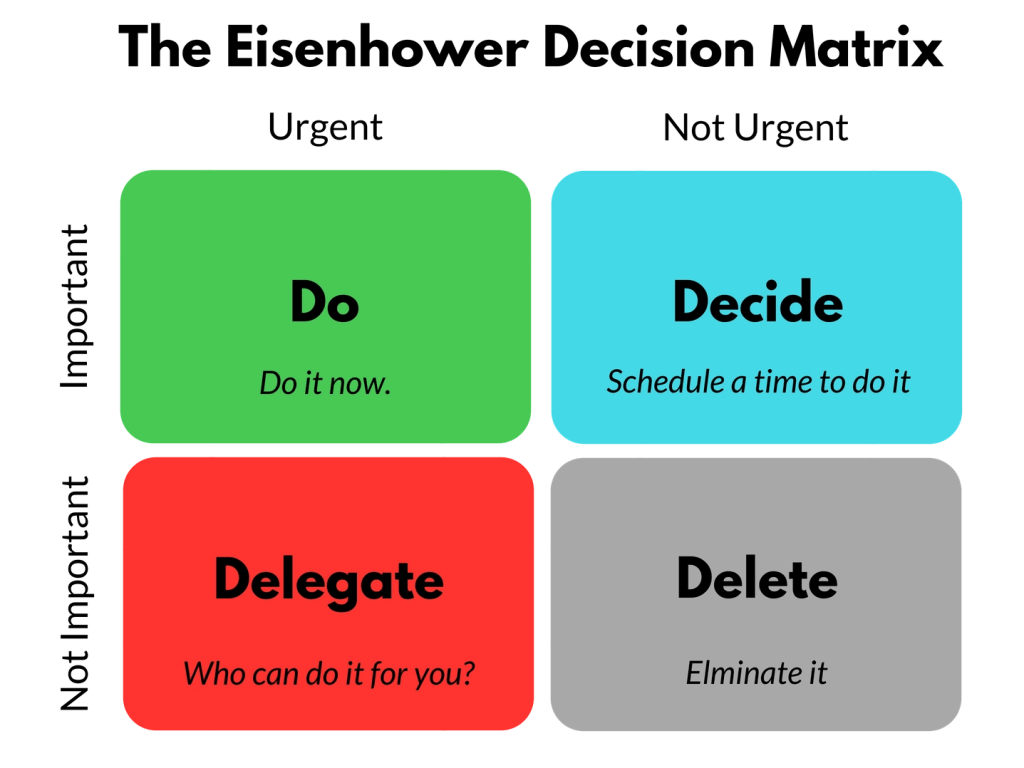
Picture a square, divided into four boxes:
- Urgent and Important
- Important but Not Urgent
- Urgent but Not Important
- Neither Urgent nor Important
It sounds like a productivity tool—but in reality, it’s a lens for life. Because how you spend your minutes becomes how you live your years.
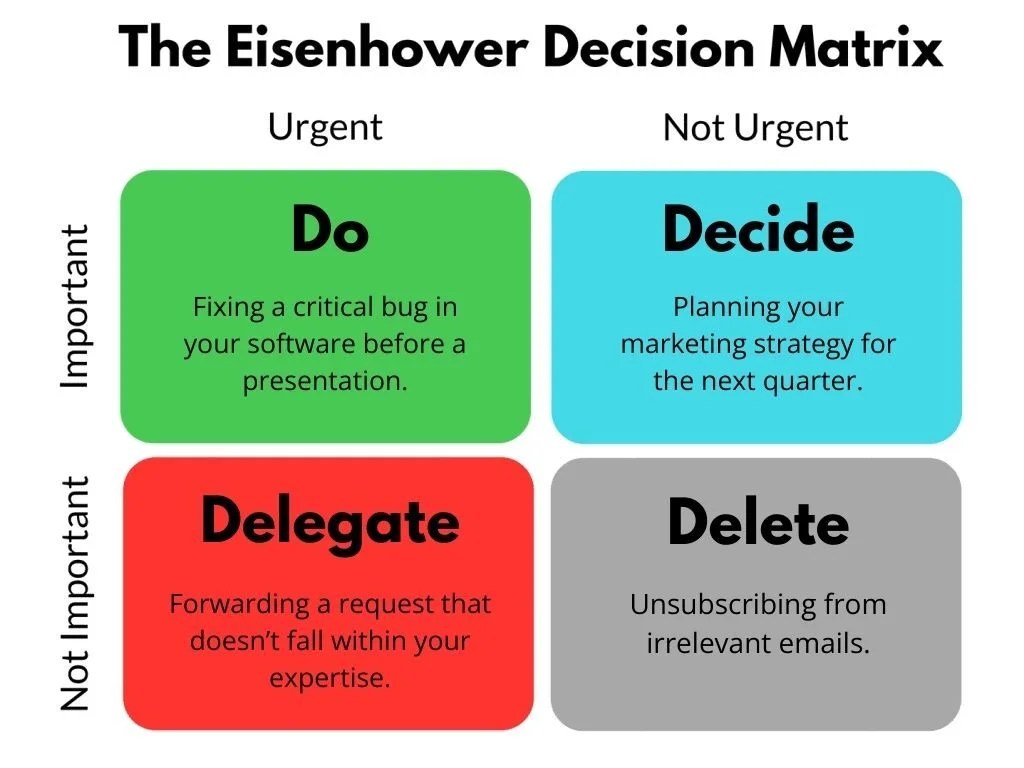
Where you spend your time determines your destiny.
The Eisenhower Matrix (also called the Urgent-Important Matrix) is a super simple decision-making tool that helps you prioritize your tasks by asking just two questions:
Is this task important?
Is it urgent?
Once you answer that, you sort everything into four boxes:
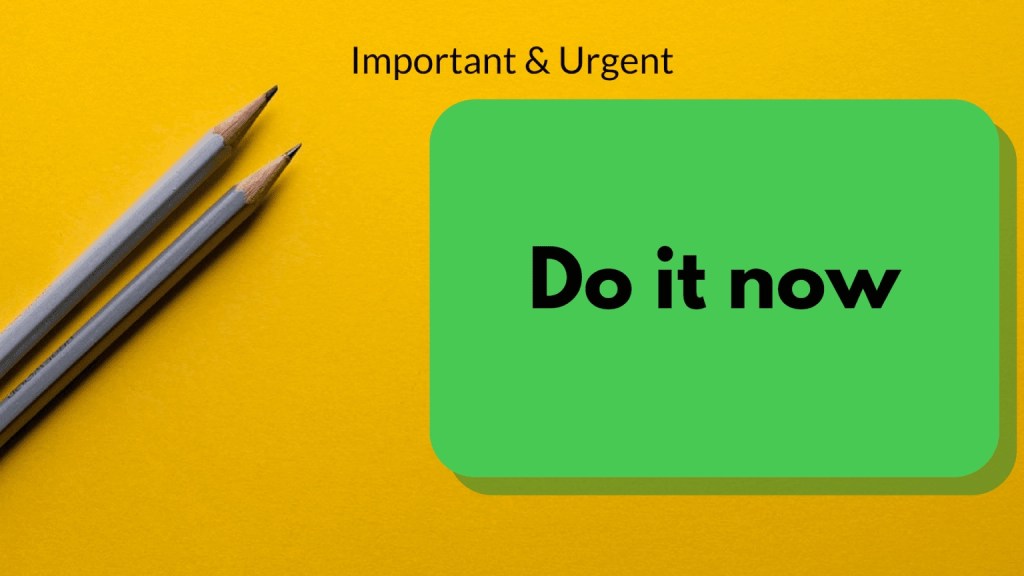
- Important + Urgent → DO it now
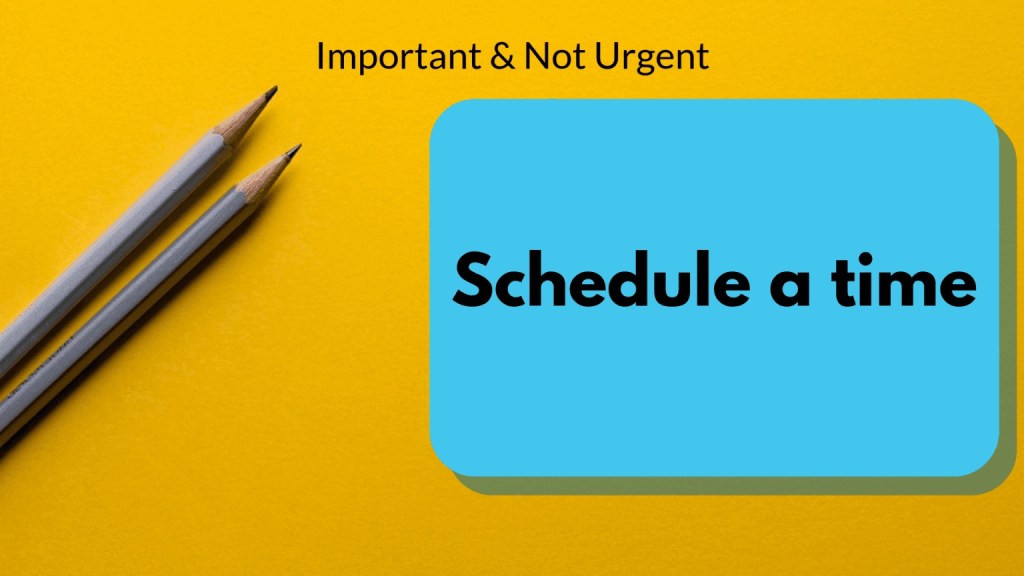
- Important + Not Urgent → SCHEDULE it
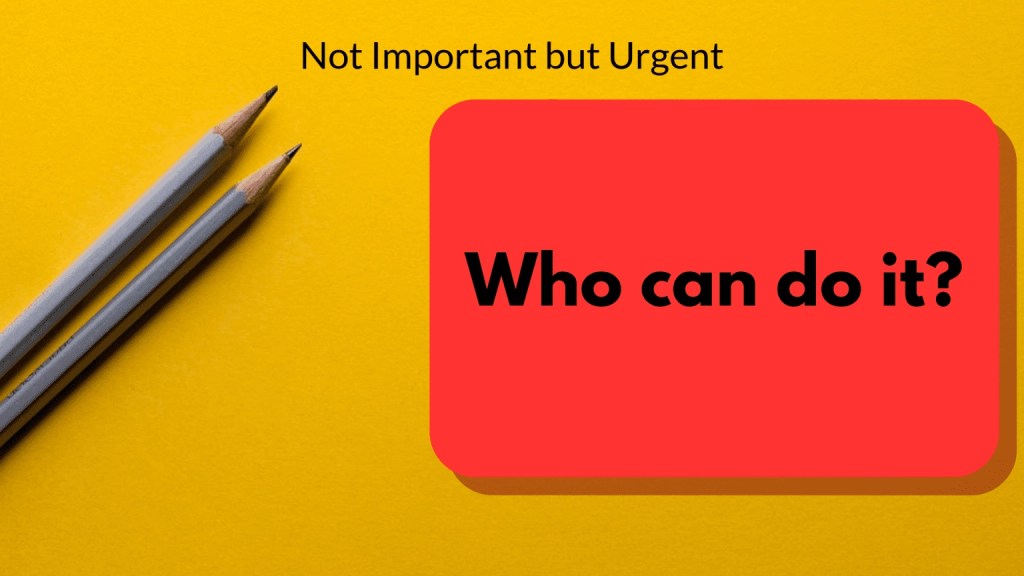
- Not Important + Urgent → DELEGATE it
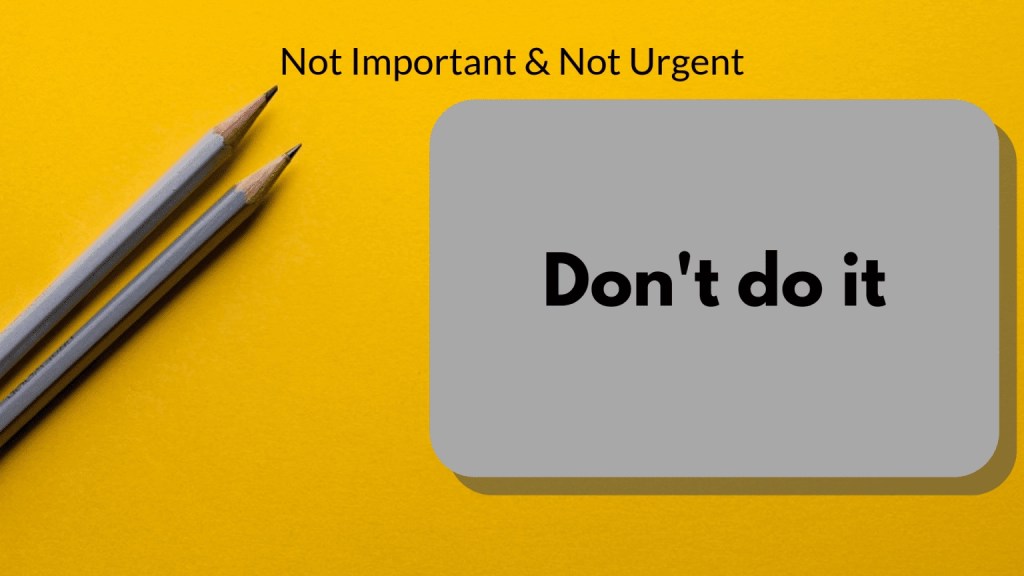
- Not Important + Not Urgent → DELETE it
The Modern Epidemic: Living in Quadrant I and III
Most professionals today are stuck in a dopamine-driven loop—constantly reacting, checking, replying, attending, scrambling. We confuse motion with progress. Speed with strategy.
In fact, a 2018 Harvard Business Review article titled “Beware the Busy Manager” identified three types of managerial behaviors. The most common? The “crisis manager”—someone always firefighting, always on alert. The result? Burnout, shallow thinking, and a deep erosion of purpose.
Urgency feels good. It feeds the ego. It gives us the illusion of relevance. When we fix things quickly, we feel powerful. When we clear our notifications, we feel accomplished.
But here’s the real trap—the one we fall into without even realizing it: we become slaves to the short-term. We don’t just respond to urgent tasks; we crave them. We check emails compulsively, jump at pings and notifications, and keep choosing low-hanging fruit simply because it’s there. It gives us a false sense of momentum. But that momentum often leads nowhere.
In a fascinating and eye-opening series of experiments published in the Journal of Consumer Research in 2010, behavioral scientists Meng Zhu, Yang Yang, and Christopher Hsee explored why we often pick tasks with shorter deadlines—even when those tasks offer lesser rewards—over those with longer timelines and greater payoffs. They discovered what they called the “Mere Urgency Effect.” In one version of the experiment, participants were asked to choose between two tasks: one that was urgent and offered a small reward (like completing a review for fewer points but with an immediate expiration), and another that was important and offered a higher reward (more points but with no pressing deadline). Logically, the better option was clear: choose the task with the higher reward. But what happened? A significant number of participants still opted for the urgent task—simply because it had a ticking clock attached to it. The researchers found that the perception of urgency—not the actual value of the task—drove decision-making. What makes this effect more troubling is that it intensifies under pressure. People who self-identified as “busy” were even more likely to pick urgent, low-payoff tasks. Why? Because when we’re overwhelmed, our brains cling to anything that offers closure or quick relief. We focus on finishing something—anything—rather than evaluating its real value. The urgent task gives us a dopamine hit, a checkmark on the list, a sense that we’re keeping up. Meanwhile, the important, long-term task quietly waits—ignored, postponed, and often forgotten.
We’d rather respond to a message than write the first page of our novel. We’d rather attend a Zoom call than think about our financial future. We trade what matters for what screams.
That’s what living in Quadrant I and III does to us. It keeps us frantic, not fulfilled.
The Goldmine: Quadrant II – The Land of Important but Not Urgent
This is the magic zone.
Quadrant II—Important but Not Urgent—is where your real life lives. This is the quadrant of deep work, of building legacy, of preventive health, of nurturing relationships, of reflection, creativity, and growth. But because this quadrant doesn’t scream for attention, we often neglect it—until it’s too late. A neglected health habit turns into a medical emergency. A postponed conversation becomes a broken relationship. A delayed dream becomes regret.
This quadrant is where greatness is born.
- Writing the book you always dreamed of.
- Spending quality time with your kids.
- Meditating.
- Building new skills.
- Strategizing instead of reacting.
It’s the quadrant that doesn’t scream for your attention—but quietly holds the keys to your future. Stephen Covey, in his timeless classic “The 7 Habits of Highly Effective People”, called this quadrant the “heart of personal management.” He wrote: “Effective people are not problem-minded, they’re opportunity-minded. They feed opportunities and starve problems.”
That’s it. But don’t let the simplicity fool you—this matrix can totally transform how you spend your time and energy.
The Real Power: It’s Not Just About Productivity
See, this matrix isn’t just about managing tasks.
It’s about managing your life.
- Quadrant 1 (Do) is where crises, deadlines, and emergencies live.
- Quadrant 2 (Schedule) is where dreams, growth, and meaning live.
- Quadrant 3 (Delegate) is where other people’s urgencies live.
- Quadrant 4 (Delete) is where distractions live.
Most of us are trapped in Quadrants 1 and 3. Running all day but not going anywhere.
But the secret sauce?
Living more in Quadrant 2—the space of planning, creating, deep work, relationships, learning, and rest.
A Little Tool With Big Impact
Let’s ground this in practice.
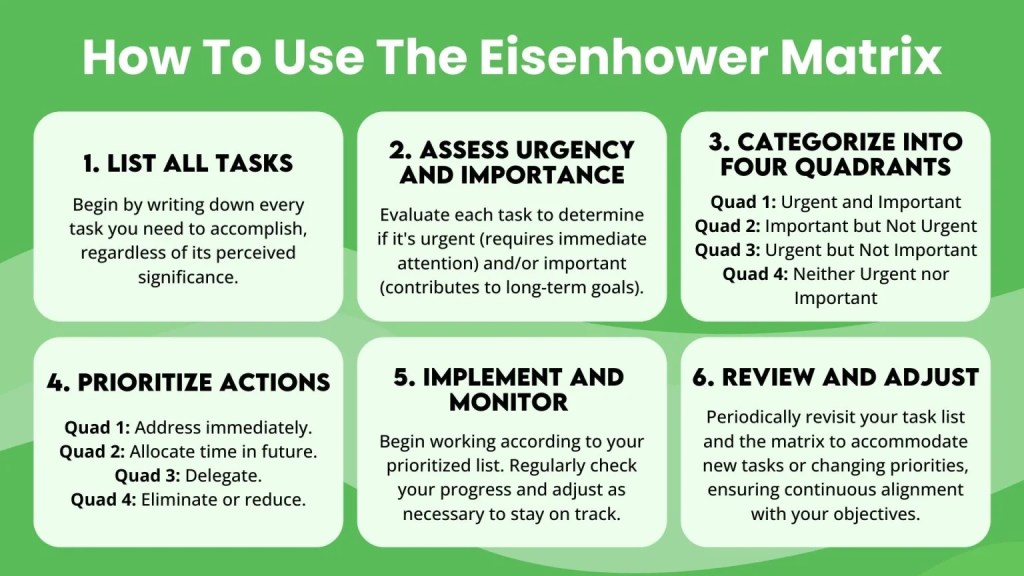
Here’s how to Eisenhower your life:
List everything on your plate—tasks, obligations, ideas.
Plot them on the matrix.
Eliminate or delegate Quadrant III and IV.
Schedule Quadrant II—ruthlessly.
Handle Quadrant I—without guilt, but don’t live here.
And yes, scheduling Quadrant II is non-negotiable. Don’t wait for “free time.” There’s no such thing. You make time for what matters. You protect your calendar like your sanity depends on it—because it does.
A Simple Daily Ritual
Want to put this into practice? Try this:
Every morning, ask yourself:
What’s one important-but-not-urgent task I will complete today?
Every evening, reflect:
Did I honor my important priorities, or just react all day?
This five-minute habit can tilt your entire life toward meaning.
The Eisenhower Matrix is not a productivity trick. It’s a philosophy of conscious living.
It’s about saying no to the noise, so you can say yes to your legacy.
It’s about pausing the chase long enough to ask: “What kind of life am I building?”
About the Author:
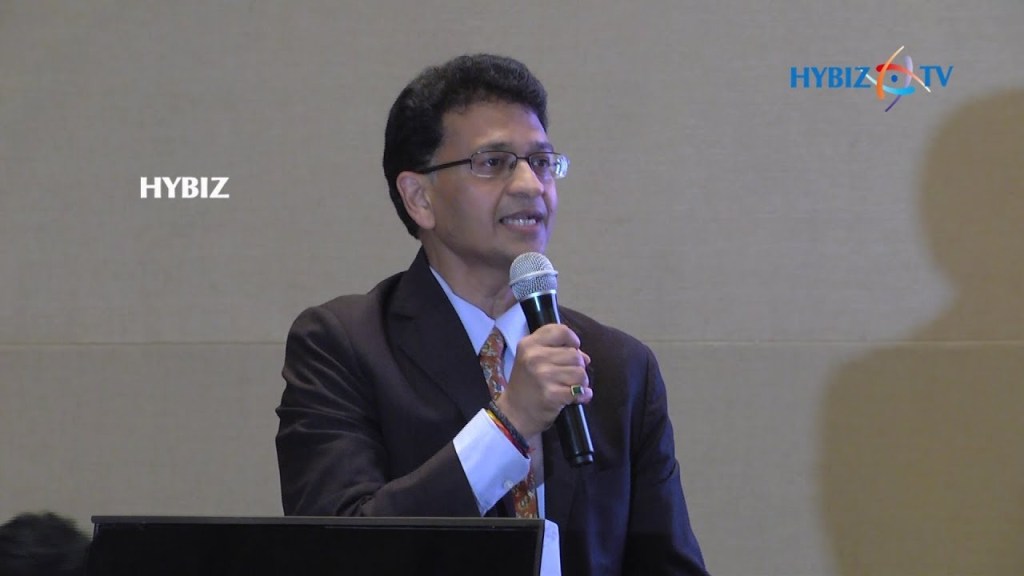
Dr Mukesh Jain is a Gold Medallist engineer in Electronics and Telecommunication Engineering from MANIT Bhopal. He obtained his MBA from the Indian Institute of Management Ahmedabad. He obtained his Master of Public Administration from the Kennedy School of Government, Harvard University along with Edward Mason Fellowship. He had the unique distinction of receiving three distinguished awards at Harvard University: The Mason Fellow award and The Lucius N. Littauer Fellow award for exemplary academic achievement, public service & potential for future leadership. He was also awarded The Raymond & Josephine Vernon award for academic distinction & significant contribution to Mason Fellowship Program. Mukesh Jain received his PhD in Strategic Management from IIT Delhi.
Mukesh Jain joined the Indian Police Service in 1989, Madhya Pradesh cadre. As an IPS officer, he held many challenging assignments including the Superintendent of Police, Raisen and Mandsaur Districts, and Inspector General of Police, Criminal Investigation Department and Additional DGP Cybercrime, Transport Commissioner Madhya Pradesh and Special DG Police.
Dr. Mukesh Jain has authored many books on Public Policy and Positive Psychology. His book, ‘Excellence in Government, is a recommended reading for many public policy courses. His book- “A Happier You: Strategies to achieve peak joy in work and life using science of Happiness”, received book of the year award in 2022. After this, two more books, first, A ‘Masterclass in the Science of Happiness’ and the other, ‘Seeds of Happiness’, have also been received very well. His book, ‘Policing in the Age of Artificial Intelligence and Metaverse’ has received an extraordinary reception from the police officers. He is a visiting faculty to many business schools and reputed training institutes. He is an expert trainer of “Lateral Thinking”, and “The Science of happiness” and has conducted more than 300 workshops on these subjects.

 School Of Happiness by Mukesh Jain