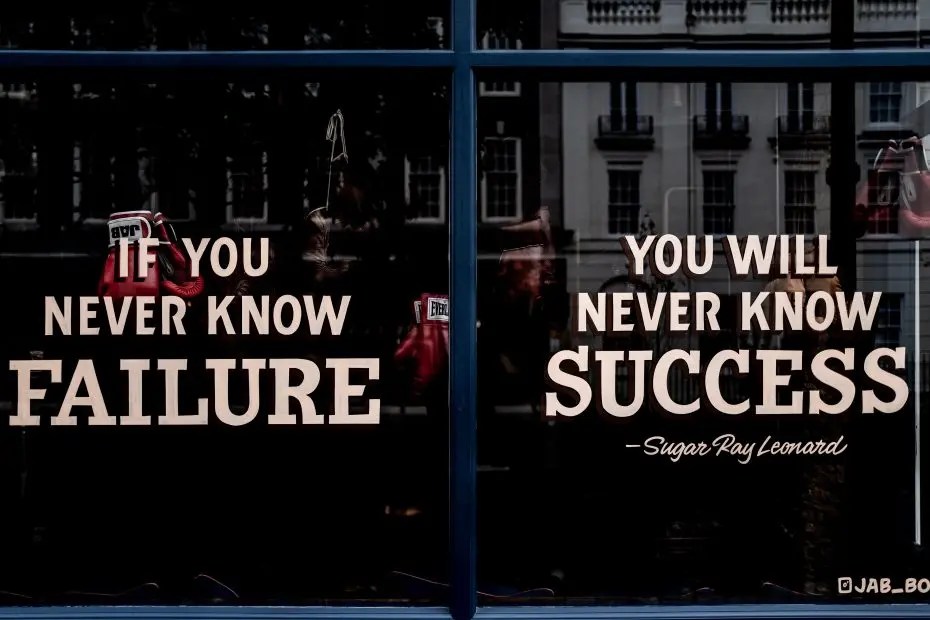
Let’s be honest—talking about failure is hard. No one really likes it. It makes us feel awkward, embarrassed, maybe even ashamed. So naturally, when we make a résumé, we list our proudest achievements: the awards, the degrees, the jobs, the big wins.
But what if we tried something completely different?
What if, instead of only showing the highlights, we made a résumé that showed the flops too? The jobs we didn’t get. The interviews that went nowhere. The businesses that never took off. The rejections, the stumbles, the things that didn’t go our way.
Sounds strange?
It is. But also, strangely brilliant.
This kind of résumé exists. It’s called a failure résumé. And it’s turning out to be one of the most powerful tools for learning, growth, and yes—success.
So, what is a failure résumé?
It’s exactly what it sounds like. A list of your failures. A kind of anti-CV.
It includes all the things that didn’t work out—rejected job applications, missed opportunities, bad decisions, failed ventures. But here’s the key part: it also includes what you learned from them. It’s not about feeling bad. It’s about being real.
The idea took off when Melanie Stefan, a scientist, wrote an article in Nature in 2010. She had just faced a rejection, and while it stung, she realized something important—everyone fails. But no one talks about it. So she suggested writing a “CV of Failures” to keep things honest. To remind ourselves that failure isn’t unusual. It’s normal. (https://www.nature.com/articles/nj7322-467a).
Why do it?
Because hiding our failures creates a false story. It makes others believe that success is a straight path—which it never is. When we show only the wins, we forget the real journey, filled with wrong turns, setbacks, and lessons.
Take Johannes Haushofer, a Princeton professor, who posted his own failure résumé online. He listed all the degree programs he didn’t get into, the papers that were rejected, and the fellowships he missed. He even joked that his failure résumé got more attention than all his other academic work!
But his point was clear: “Most of what I try fails, but those failures are invisible. And that gives people the wrong idea.”
Science says it helps too
It’s not just an emotional tool. It’s backed by research.
Daniel Pink, bestselling author of ‘Drive’ and ‘The Power of Regret’, says writing a failure résumé is one of the best ways to deal with career regrets. After talking to 19,000 people about what they most regret, he found that many wished they had been braver—taken more risks, started something new, or spoken up at work.
So, how do you deal with those feelings?
Pink says, “Talk about them. Write about them. Share the lessons.”
He’s a huge fan of failure résumés. “List your setbacks, the lessons you learned, and what you plan to do differently,” he says.
Psychologists agree. There’s something called cognitive reframing, which means changing how you see something so it changes how you feel. When you see a failure not as a dead end, but as a lesson, it becomes part of your growth.
A 2016 study in Frontiers in Psychology found that writing about failure can actually boost your mood and help you do better next time. You process the experience. You make sense of it. You prepare for what’s next.
The global movement of sharing failure
But it’s not just professors and authors doing this. One woman in Mexico turned her biggest flop into a worldwide phenomenon.
Leticia Gasca once started a business to help rural women artisans. The mission was good, but due to bad financial planning, the company failed. She felt crushed and ashamed—and didn’t talk about it for years. Then one night, over drinks with friends, she shared the story. And something amazing happened.
That moment led to the birth of FUN Nights —a global movement where people stand on stage and share how they failed in business. What started as a few friends in Mexico City drinking beer and swapping stories has now grown to over 220 cities in 72 countries. Every month, people give short, TED-style talks about their mistakes—complete with pictures and lessons.
Gasca calls it “preventive medicine for entrepreneurs.” Her message? We need to stop being obsessed with success and start embracing failure—because that’s where real learning happens.
She even created a think tank called the Failure Institute, where researchers study why companies fail—and how to help them survive longer. They’re even training AI to predict what businesses might go wrong before they do.
That’s the power of owning your failures. It not only heals you—it inspires others.
Real-world proof
Big companies have caught on too.
Bessemer Venture Partners, a top venture capital firm, keeps something called an “Anti-Portfolio.” It’s a public list of all the amazing companies they could have invested in—but didn’t. Think Apple. Facebook. eBay. Ouch, right?
Most firms would bury those mistakes. But not Bessemer. They display them with humor and honesty—to remind themselves (and everyone else) that failure is part of the game.
Another great example? Jeff Scardino, a creative professional who once applied to jobs using two résumés—one traditional, one listing only his failures and weaknesses. Guess what? The failure résumé got way more responses. Why? Because it was different. It was honest. And it showed that he wasn’t afraid to learn.
Want to write your own?
Here’s how you can start:
- List your failures – Think of jobs you didn’t get, projects that flopped, plans that didn’t work out.
- Write what you learned – What did this experience teach you? How did it shape you?
- Look for patterns – Are you someone who takes risks? Who bounces back? Who keeps trying?
- Keep it going – Make it a living document. Keep updating it as life happens.
You don’t have to show it to anyone. But if you do, it just might help someone else feel less alone.
What really happens when you write it
At first, it might feel weird. You may cringe a little. But then comes clarity.
You’ll see not just a list of mistakes—but a journey of growth.
You’ll realize:
You were brave enough to try.
You learned from every stumble.
You didn’t give up.
You’re stronger because of it.
And most importantly, you’ll remember: you are not your failures. You are someone who keeps moving forward.
Conclusion
In a world that celebrates only success, being honest about failure is a quiet act of courage. It’s also incredibly refreshing. Your failure résumé won’t just help you learn—it’ll help you live more boldly. It’ll remind you that behind every success is a string of attempts, risks, and lessons.
So go ahead—write it.
Celebrate the stumbles. Laugh at the flops. Own the mess.
Because real success isn’t about never falling. It’s about rising every time you do.
And your story? It’s just getting started.
________________________________________
Author Details
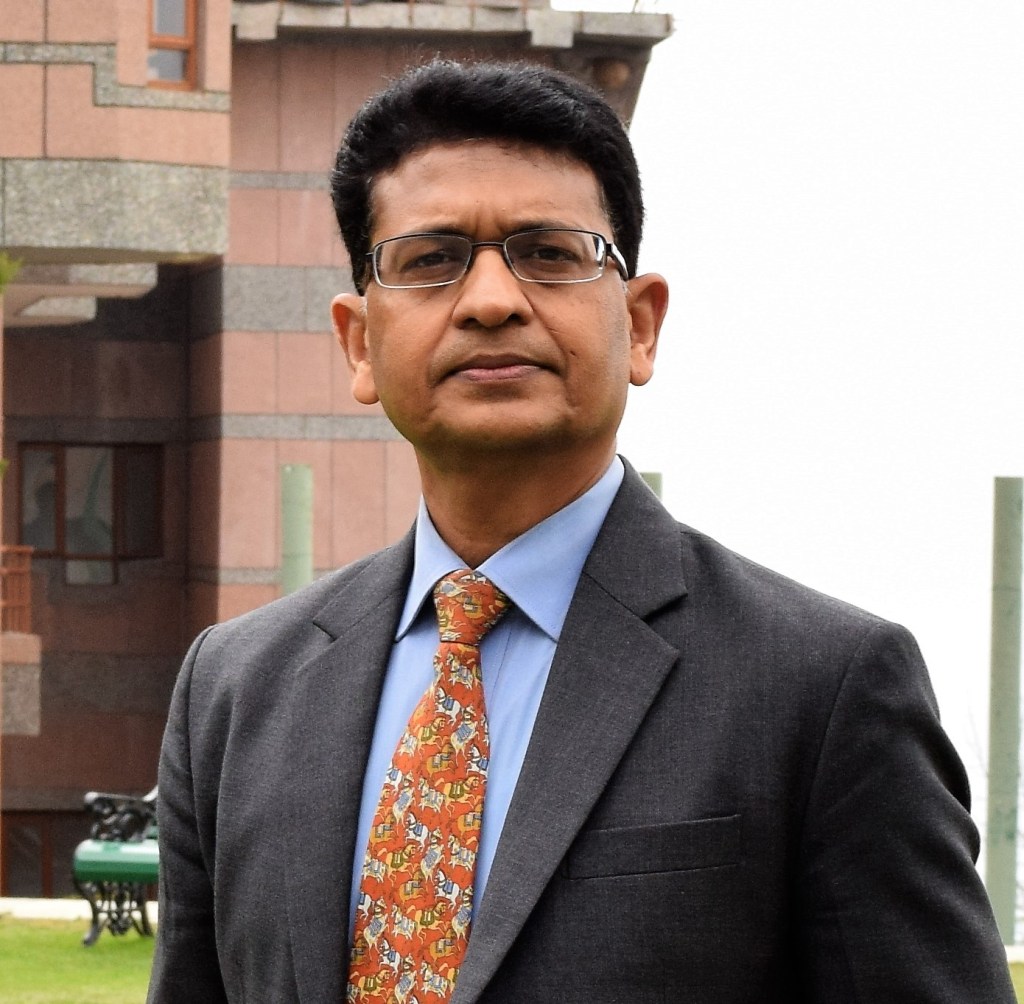
Dr Mukesh Jain is a Gold Medallist engineer in Electronics and Telecommunication Engineering from MANIT Bhopal. He obtained his MBA from the Indian Institute of Management Ahmedabad. He obtained his Master of Public Administration from the Kennedy School of Government, Harvard University along with Edward Mason Fellowship. He had the unique distinction of receiving three distinguished awards at Harvard University: The Mason Fellow award and The Lucius N. Littauer Fellow award for exemplary academic achievement, public service & potential for future leadership. He was also awarded The Raymond & Josephine Vernon award for academic distinction & significant contribution to Mason Fellowship Program. Mukesh Jain received his PhD in Strategic Management from IIT Delhi.
Mukesh Jain joined the Indian Police Service in 1989, Madhya Pradesh cadre. As an IPS officer, he held many challenging assignments including the Superintendent of Police, Raisen and Mandsaur Districts, and Inspector General of Police, Criminal Investigation Department and Additional DGP Cybercrime, Transport Commissioner Madhya Pradesh and Special DG Police.
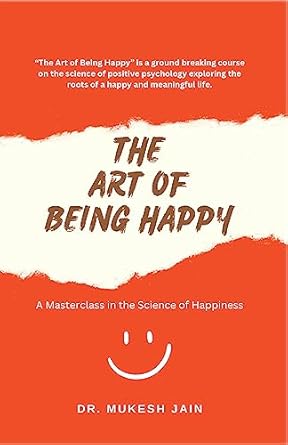
Dr. Mukesh Jain has authored many books on Public Policy and Positive Psychology. His book, ‘Excellence in Government, is a recommended reading for many public policy courses. His book- “A Happier You: Strategies to achieve peak joy in work and life using science of Happiness”, received book of the year award in 2022. After this, two more books, first, A ‘Masterclass in the Science of Happiness’ and the other, ‘Seeds of Happiness’, have also been received very well. His book, ‘Policing in the Age of Artificial Intelligence and Metaverse’ has received an extraordinary reception from the police officers. He is a visiting faculty to many business schools and reputed training institutes. He is an expert trainer of “Lateral Thinking”, and “The Science of happiness” and has conducted more than 300 workshops on these subjects.
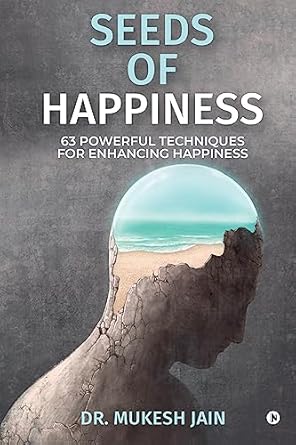
 School Of Happiness by Mukesh Jain