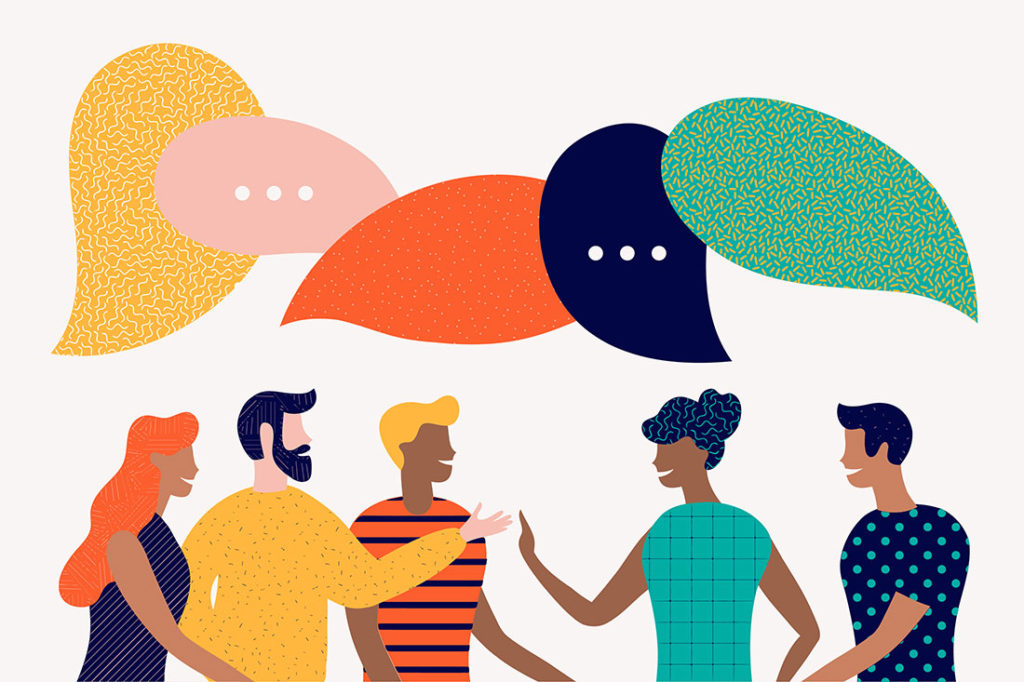
Picture this: You walk into a room full of people. Some are laughing in small groups, others are glued to their phones, lost in their own world. You want to join in, but suddenly—your mind goes blank.
“What do I say?”
“What if I sound awkward?”
“What if they don’t respond?”
If this sounds familiar, you’re not alone. Many of us hesitate to start conversations because we fear rejection, awkward silences, or just not knowing the right thing to say. But here’s the truth—being able to start a conversation is one of the most powerful skills you can have. It can open doors, create friendships, and even lead to life-changing opportunities. So, what’s the secret? Great conversation starters.
A simple, well-placed question or comment can instantly turn a stranger into a friend. The right words can break the ice, ease social anxiety, and set the stage for fun, engaging, and meaningful conversations. Whether you’re at a networking event, a party, or even on a first date, knowing how to start a conversation can make all the difference. But here’s the big question—what makes a conversation starter great? And how do you make sure your words connect with others?
Let us explore, what the experts say about this:
Why Are Conversation Starters Important?
Research in psychology and behavioral science confirms that how we start a conversation significantly impacts its outcome.
- First Impressions Matter
Have you ever met someone and instantly felt like you liked or disliked them, even before they said much? That’s because first impressions happen incredibly fast, often before we even realize it. Research in psychology and behavioral science confirms that how we start a conversation can shape the entire interaction—whether it leads to a great connection or an awkward encounter. One of the most famous studies on first impressions was conducted by Janine Willis and Alexander Todorov at Princeton University in 2006. They wanted to find out how quickly people form judgments about others based on just a quick look at their face. In their experiment, participants were shown photos of strangers’ faces for different amounts of time—as little as 100 milliseconds (one-tenth of a second!) and up to a full second. After viewing the images, participants had to rate the people in the photos on traits like trustworthiness, competence, likability, and attractiveness. The results were surprising: even when participants saw a face for just 100 milliseconds, they had already formed an opinion about the person. And here’s the kicker—when they were given more time to look at the photos, their judgments barely changed. This means that our brains make snap judgments about people almost instantly, and those impressions tend to stick.

How This Affects Conversations? When you start a conversation with someone, they’re not just listening to your words—they are subconsciously forming an opinion about you. Within seconds, they decide whether they find you likable, trustworthy, and intelligent. This means that your first words matter more than you think. A strong conversation opener sets the tone for the entire interaction. If you start with something interesting, friendly, or engaging, people are more likely to respond positively and feel comfortable talking to you. On the other hand, if you begin with something dull, awkward, or overly formal, it might create a barrier, making the conversation feel forced.
First impressions don’t just matter in casual conversations—they are crucial in professional and social settings too. Hiring managers often form an opinion about candidates within the first few seconds of meeting them. A confident and engaging introduction can make a lasting impression. Meeting new people in a professional setting can feel intimidating, but a well-prepared opener can break the ice and make you memorable. The way you start a conversation can determine whether someone wants to continue talking to you or move on. In each of these scenarios, the first words you say create a mental image of who you are. If you come across as engaging, confident, and interested in others, you increase your chances of forming a meaningful connection. The good news is that first impressions aren’t just random—you can actively shape them by being intentional about how you start conversations. Science shows that people respond best to positive energy, curiosity, and warmth. A strong conversation opener improves likeability, trust, and perceived intelligence.
- Reduce Social Anxiety
Social anxiety affects millions of people worldwide, making it difficult for them to engage in conversations, even in friendly settings. The good news? Research shows that having a go-to set of conversation starters can significantly reduce social anxiety, making interactions smoother and more natural. Social anxiety is a psychological condition where people feel intense nervousness or fear in social situations. They often worry about being judged, saying the wrong thing, or embarrassing themselves in front of others. This can lead to avoidance of conversations altogether, reinforcing feelings of isolation and making social situations even more intimidating. Why conversation starters are a game-changer? Conversation starters help people feel more at ease. Research in behavioral psychology and social neuroscience highlights three key reasons:
- They Provide a Sense of Control
- They Lower the Fear of Rejection
- They Shift the Focus Away from Anxiety

A study published in Psychological Science (2013) found that people with social anxiety tend to focus too much on themselves, worrying about how they sound or whether they are being judged. Using structured conversation starters redirects focus toward the other person, which helps individuals feel more relaxed and engaged. Conversation starters are so effective that therapists and psychologists use them as part of Cognitive Behavioral Therapy (CBT) for social anxiety treatment. Dr. Ellen Hendriksen, a clinical psychologist at Boston University, developed a structured program where patients practice specific conversation openers in real-life social settings. Over time, participants reported less fear, fewer awkward silences, and greater enjoyment in conversations.
- Encourage Meaningful Connections
Most people have experienced conversations that feel shallow—exchanges filled with polite but forgettable small talk, like “How’s the weather?” or “What do you do?” While these questions help fill silence, they rarely lead to meaningful connections. The best conversations, however, go beyond the surface. They create genuine engagement, uncover shared interests, and build trust. Thoughtful conversation starters act as bridges, shifting discussions from routine exchanges to deeper, more impactful interactions.
Have you ever met someone and instantly felt comfortable talking to them? Or maybe you’ve had the opposite experience—where a conversation felt dull, forced, or awkward, making it hard to connect? According to Vanessa Van Edwards, a behavioral scientist and founder of Science of People, the way you start a conversation determines its outcome—and ultimately, the kind of relationships you build. Van Edwards has spent years studying human behavior, focusing on how people connect, communicate, and form meaningful relationships. Her research reveals that people who use engaging, thoughtful conversation starters tend to build stronger social networks and long-lasting connections. This applies in every setting—whether it’s at work, a networking event, a social gathering, or even a first date. Engaging conversations are not just important in social settings—they play a critical role in professional success and career growth. In professional environments, networking is not just about meeting people—it’s about leaving a lasting impression. A well-thought-out conversation starter can set the tone for a productive interaction, leading to opportunities that might not have been possible otherwise. Research by Dr. Albert Mehrabian, a psychologist known for his work on communication, found that the first few minutes of an interaction determine how people perceive and remember you. While words only account for 7% of the impression, tone of voice and body language make up the remaining 93%. This means that a great conversation starter combined with the right tone and positive body language creates a strong first impression, which can lead to long-lasting personal and professional relationships. Additionally, Van Edwards’ research suggests that when people feel emotionally engaged in a conversation, they are more likely to want to continue the relationship—whether it’s as a friend, mentor, colleague, or business partner. By using engaging and meaningful conversation starters, you create stronger connections, make conversations more enjoyable, and leave a lasting impact. Whether in personal or professional settings, these deeper discussions can open doors to new opportunities, build trust, and create memorable relationships that last a lifetime.
What the Experts Say: Science and Research Behind Effective Conversations

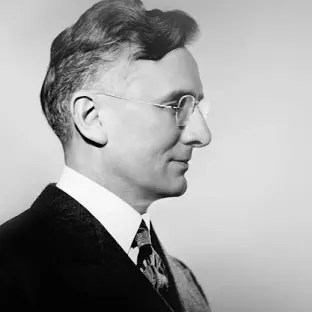
Dale Carnegie, the legendary author of ‘How to Win Friends and Influence People’, emphasized that the best way to connect with others is to let them talk about themselves. He argued that people are naturally drawn to those who show genuine interest in them. His famous advice? Ask engaging, personal, and meaningful questions to create deep connections. Carnegie believed that most people crave appreciation and recognition. If you allow someone to share their thoughts, experiences, and emotions, they will feel valued—and in turn, they will like you more. He often cited examples of successful businesspeople and politicians who mastered the art of being great listeners rather than great talkers. Neuroscience supports Carnegie’s claim. A study by Harvard researchers Tamir and Mitchell (2012) found that when people talk about themselves, their brain’s reward centers (the medial prefrontal cortex and the nucleus accumbens) are activated. This is why people naturally enjoy talking about themselves, and why skilled communicators, like Carnegie, encourage asking thoughtful, open-ended questions to give others the opportunity to do so.
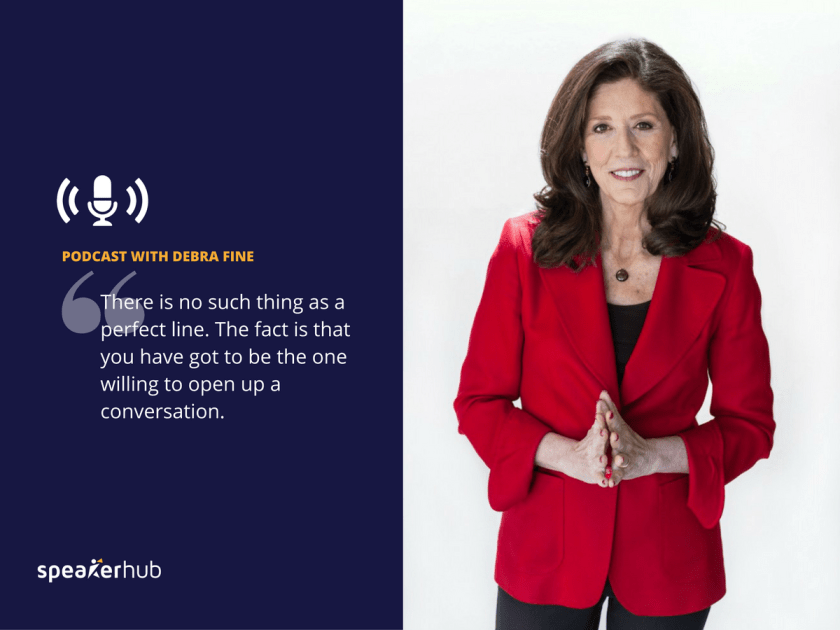
Debra Fine, the author of ‘The Fine Art of Small Talk’, focuses on the importance of conversational flow and reducing social anxiety. She highlights that people feel most comfortable when a conversation is natural, engaging, and effortless. Her research emphasizes using open-ended questions, which encourage deeper responses rather than one-word answers. Fine suggests that instead of asking closed-ended questions like “Did you have a good weekend?”, it’s more effective to ask open-ended ones like “What was the highlight of your weekend?” This small change prompts people to share stories and emotions, making the conversation feel more natural and enjoyable. She also encourages using active listening techniques—nodding, maintaining eye contact, and repeating key phrases—to show genuine interest. Studies in psychology confirm this: research by Dr. Michael Argyle, a social psychologist at Oxford University, found that conversations where both parties feel heard and understood create stronger social bonds.
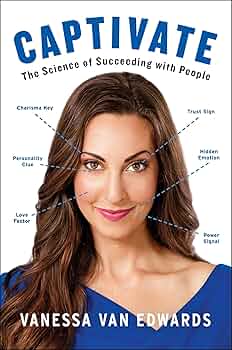
Behavioral investigator Vanessa Van Edwards, the founder of Science of People, has conducted extensive research on why some conversations feel magnetic while others fall flat. Through analyzing thousands of interactions, she found that the most charismatic people follow a simple formula:
- They start conversations with curiosity
- They encourage storytelling
- They mirror the other person’s energy and emotions
In her TEDx talk, Van Edwards explains that asking thought-provoking questions increases engagement. For instance, instead of the usual “What do you do?”, she suggests asking “What do you love most about your work?” This shift makes the conversation more positive, engaging, and memorable. Her research also found that people remember conversations better when emotions are involved. When someone shares a personal experience that made them feel excited, nervous, or inspired, their listener forms a stronger emotional connection with them. A study by Dr. Richard Wiseman, a British psychologist, backs this up. He found that people who use emotion-based conversation starters (like “What’s the most exciting thing that happened to you this week?”) are perceived as more charismatic and likable than those who rely on generic questions.

Dr. Mark Goulston, a psychiatrist and communication expert, highlights a concept called deep listening. He explains that most people listen with the intent to respond, not with the intent to understand. The key to great conversations, he argues, is to listen without judgment and respond with genuine curiosity. In his book ‘Just Listen’, Goulston shares a three-step method for engaging conversations:
- Listen deeply – Avoid interrupting and focus entirely on what the other person is saying.
- Validate their emotions – Acknowledge what they are feeling by saying things like “That sounds really exciting!” or “I can see why that would be frustrating.”
- Ask thoughtful follow-up questions – Show that you are engaged by asking questions based on what they just shared.
Goulston’s research shows that when people feel heard, they open up more, leading to deeper and more meaningful conversations.
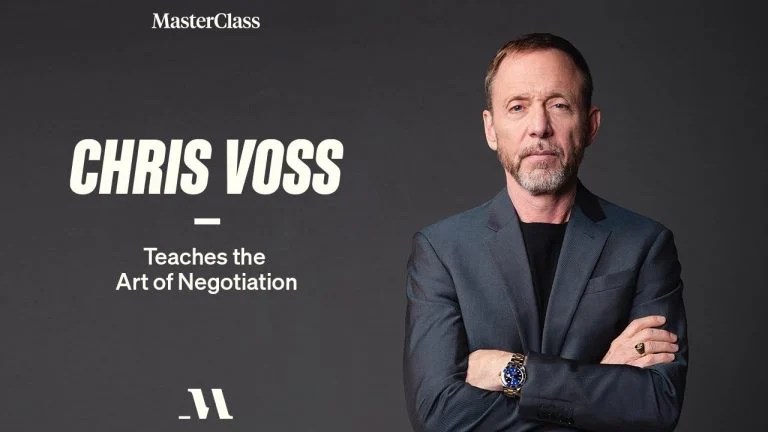
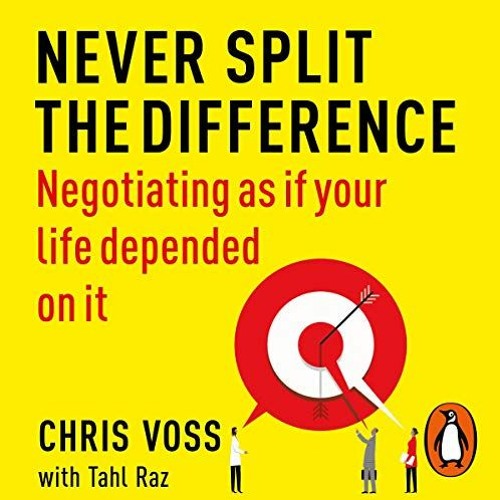
Chris Voss, a former FBI hostage negotiator and author of ‘Never Split the Difference’, applies negotiation tactics to everyday conversations. He emphasizes the importance of tactical empathy—the ability to make the other person feel understood and valued. One of his key techniques is mirroring, where you repeat the last few words the other person said. This makes them feel heard and encouraged to elaborate. For example:
- Person A: “I’ve been feeling really overwhelmed with work lately.”
- Person B (Mirroring): “Overwhelmed with work?”
- Person A: “Yeah, we just had a major project deadline, and I’ve been working late nights all week.”
By mirroring, Person B encourages deeper conversation without forcing it. This technique is widely used in negotiations, sales, and even personal relationships to build trust.
Some Good Conversation Starters
One of the easiest ways to start a conversation is by asking about positive experiences. Try saying, “What’s the best thing that happened to you this week?” People enjoy sharing good moments, and it brings a happy, upbeat energy to the discussion. If you want to spark curiosity, ask “If you could visit any place in the world, where would you go?” Talking about travel naturally excites people because imagining new places triggers a sense of adventure and fun. Another effortless way to connect is through food. Asking “What’s your go-to snack when you’re feeling hungry?” immediately makes people smile. Everyone has a comfort food, and sharing it often brings back childhood memories or fun stories.
Hobbies and interests make great conversation topics too. A simple, “What’s one hobby or activity you could do for hours without getting bored?” helps people talk about their passions, making them feel excited and engaged. Similarly, you can ask, “If you could meet any famous person, living or dead, who would it be?” This question opens up a conversation about role models, inspiration, and values, which often leads to interesting discussions.
When meeting people in a professional setting, starting with work-related topics is a great approach. You can ask, “What do you enjoy most about your work?” It keeps the conversation positive and helps people focus on what they love. A deeper question like, “How did you get started in your field?” encourages storytelling, making the discussion more engaging and personal. If you want to add a fun twist, try asking, “If you could switch careers for a year, what would you try?” This gets people thinking outside the box and sharing their hidden interests. Another great question is, “What’s one piece of career advice you wish you had earlier?” People love reflecting on lessons they’ve learned, and their answers might surprise or inspire you. A good way to spark enthusiasm is by asking, “What’s the most exciting project you’ve worked on?” Everyone has a proud moment at work, and talking about achievements helps build confidence and motivation.
For lighthearted and playful icebreakers, you can start with, “If you had to eat one food for the rest of your life, what would it be?” Food-related topics always bring fun debates and personal stories. Another nostalgic question is, “What’s your favorite childhood cartoon or TV show?” Nostalgia makes people happy, and revisiting childhood favorites can create an instant connection. If you want to add an imaginative touch, try, “If you could have any superpower, what would it be?” People enjoy fantasizing about having extraordinary abilities like flying, time travel, or invisibility. A money-related question like, “If you won a million dollars today, what’s the first thing you’d do?” brings out different perspectives—some might dream big, while others might think practically. A fun way to bring humor into a conversation is by asking, “What’s the weirdest or funniest thing you’ve ever seen in real life?” People love telling hilarious stories, and laughter is always a great way to bond.
If you’re looking for deeper and more thought-provoking conversations, try asking, “If you could go back in time and give yourself advice, what would it be?” Reflecting on past experiences helps people open up and share valuable lessons. Another great question is, “What’s one thing people often misunderstand about you?” It allows people to express something personal, leading to a more meaningful connection. If you want to explore someone’s values, ask, “If you could change one thing about the world, what would it be?” This often brings out passionate answers about important causes and beliefs. Focusing on small joys in life is also a great approach. You can say, “What’s a small thing in life that makes you really happy?” Simple pleasures like a good cup of coffee, a sunset, or a kind gesture often bring the best conversations. Another thoughtful question is, “What’s one book or movie that changed the way you think?” Stories have a powerful impact, and this question can lead to deep and engaging discussions.
For relationship and dating conversations, start with, “What does a perfect weekend look like for you?” This helps you understand what someone enjoys doing in their free time, whether it’s adventure, relaxation, or socializing. Music is always a great conversation starter, so try, “What’s one song that always puts you in a good mood?” Everyone has a feel-good song, and sharing it can create an instant bond. A sentimental question like, “What’s the most thoughtful gift you’ve ever received?” can bring out heartwarming stories and special memories. A great way to celebrate someone’s accomplishments is by asking, “What’s a moment in your life that made you really proud?” It encourages people to share their achievements and feel appreciated. If you want to keep it light and flirty, try, “What’s your idea of a perfect date?” Whether it’s a simple walk, a fancy dinner, or an adventure, this question helps you learn what someone values in relationships.
These conversation starters fit all kinds of situations, whether you’re in a casual chat, a professional setting, or looking to deepen a connection. They make it easy to keep conversations interesting, fun, and meaningful!
At Last….
Conversations are the heart of human connection. The right words can turn strangers into friends, colleagues into collaborators, and casual chats into deep, meaningful bonds. Whether you’re at a party, networking event, on a date, or just making small talk, a great conversation starter can open doors to laughter, learning, and inspiration. The beauty of these questions is that they help people feel seen, heard, and valued. Everyone loves sharing their thoughts, experiences, and dreams—it just takes the right question to bring them out. Think of conversation starters as little sparks. Some will lead to light, fun chats, while others may ignite deep and unforgettable discussions. The key is to stay curious, listen with interest, and enjoy the exchange. Every person has a story, a unique way of looking at the world, and something valuable to share. When you ask the right questions, you don’t just start a conversation—you create a connection. So, the next time you meet someone new, don’t stress over what to say. Just pick a question, let the conversation flow, and enjoy the magic of human connection. Who knows? A simple question might just lead to a life-changing friendship, a big opportunity, or an unforgettable moment!
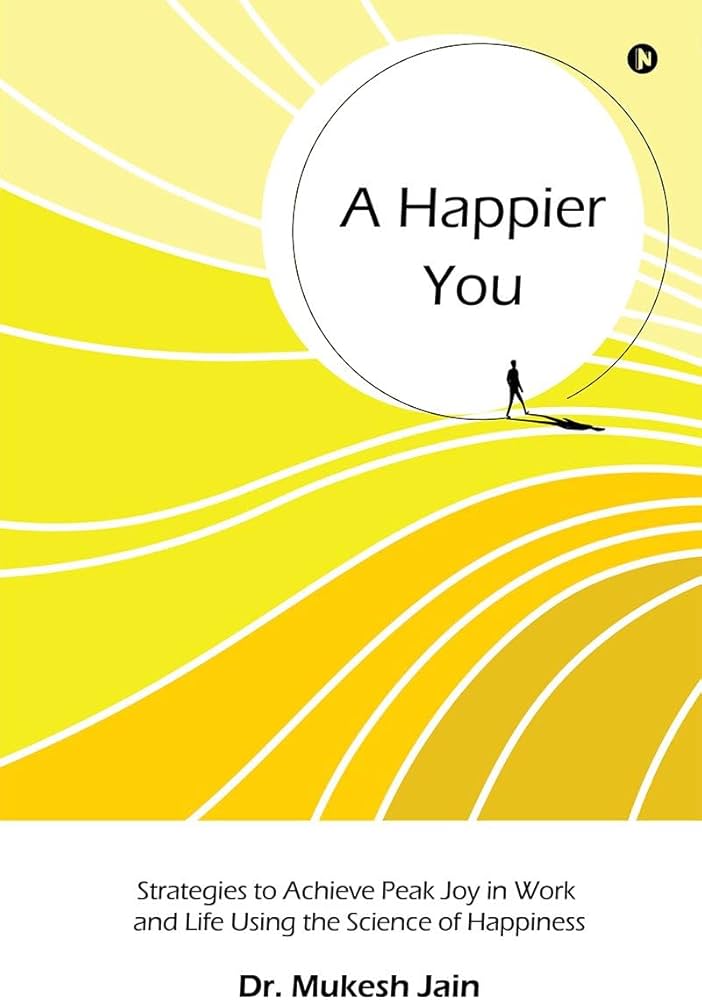
Dr Mukesh Jain is a Gold Medallist engineer in Electronics and Telecommunication Engineering from MANIT Bhopal. He obtained his MBA from the Indian Institute of Management Ahmedabad. He obtained his Master of Public Administration from the Kennedy School of Government, Harvard University along with Edward Mason Fellowship. He had the unique distinction of receiving three distinguished awards at Harvard University: The Mason Fellow award and The Lucius N. Littauer Fellow award for exemplary academic achievement, public service & potential for future leadership. He was also awarded The Raymond & Josephine Vernon award for academic distinction & significant contribution to Mason Fellowship Program. Mukesh Jain received his PhD in Strategic Management from IIT Delhi.
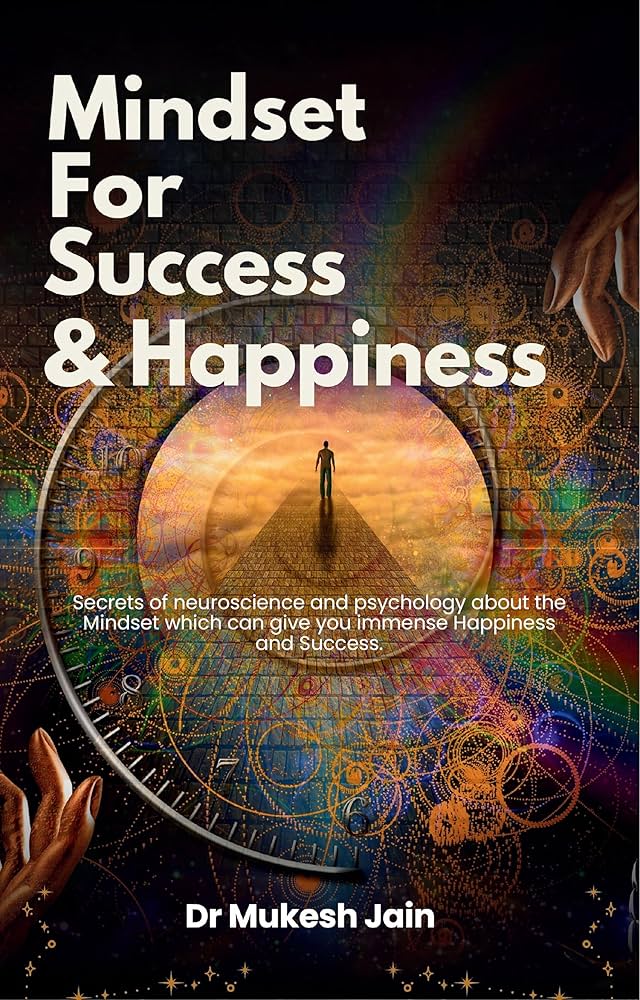
Mukesh Jain joined the Indian Police Service in 1989, Madhya Pradesh cadre. As an IPS officer, he held many challenging assignments including the Superintendent of Police, Raisen and Mandsaur Districts, and Inspector General of Police, Criminal Investigation Department and Additional DGP Cybercrime, Transport Commissioner Madhya Pradesh and Special DG Police.

Dr. Mukesh Jain has authored many books on Public Policy and Positive Psychology. His book, ‘Excellence in Government, is a recommended reading for many public policy courses. His book- “A Happier You: Strategies to achieve peak joy in work and life using science of Happiness”, received book of the year award in 2022. After this, two more books, first, A ‘Masterclass in the Science of Happiness’ and the other, ‘Seeds of Happiness’, have also been received very well. His book, ‘Policing in the Age of Artificial Intelligence and Metaverse’ has received an extraordinary reception from the police officers. He is a visiting faculty to many business schools and reputed training institutes. He is an expert trainer of “Lateral Thinking”, and “The Science of happiness” and has conducted more than 300 workshops on these subjects.
 School Of Happiness by Mukesh Jain