In today’s rapidly evolving digital landscape, artificial intelligence (AI) has become a pivotal force, reshaping various facets of our lives, especially how we communicate. From AI-powered chatbots handling customer inquiries to sophisticated algorithms personalizing our news feeds, the integration of AI into communication channels is both profound and pervasive. This transformation necessitates a reevaluation of the communication skills essential for individuals and organizations to thrive in this new era.
1. Digital Literacy: Navigating the AI-Infused Communication Landscape

Digital literacy is no longer just about knowing how to use a computer, browse the internet, or send emails. In the age of artificial intelligence (AI), it has evolved into a much broader and more complex skill set that involves understanding, interacting with, and critically evaluating AI-driven tools and platforms. This includes recognizing how AI influences communication, how data is processed and used, and how to balance the convenience of automation with ethical and responsible use. As AI technologies become deeply embedded in various aspects of communication—from AI-powered chatbots handling customer service inquiries to language models generating business reports and personalizing content—individuals must develop a nuanced comprehension of these technologies. This means not only being aware of how AI functions but also understanding its limitations, biases, and ethical considerations. For instance, AI models like ChatGPT, Google Bard, and DeepL are transforming written communication by offering automated responses, translations, and content generation. However, without human oversight, these AI systems can sometimes produce misleading information, lack contextual understanding, or even reinforce biases present in their training data. Thus, individuals need to be able to critically assess AI-generated content rather than blindly relying on it. Furthermore, digital literacy in the AI era involves navigating complex digital ecosystems, including machine learning algorithms that shape our news feeds, recommendation systems that influence our purchasing decisions, and data-driven automation tools that optimize workplace efficiency. As AI becomes more sophisticated, its role in communication will continue to expand, making it imperative for individuals to not just use AI tools effectively but also understand their broader implications.
2. Critical Thinking: Evaluating AI-Generated Content
While AI can generate content efficiently, it lacks the human ability to discern context, nuance, and emotional depth. Language models like GPT-4 and Google Bard can craft well-structured sentences and even mimic different writing styles, but they operate based on probability rather than true understanding. As a result, they often misinterpret subtleties such as sarcasm, cultural nuances, or complex emotional undertones. This makes critical thinking an indispensable skill for anyone relying on AI-generated communication, whether in professional writing, marketing, customer service, or academia. AI excels at analyzing vast amounts of data and producing content at an unprecedented speed, significantly reducing the time required to generate reports, emails, and responses. However, this efficiency comes at the cost of precision and judgment. For instance, AI models frequently exhibit “hallucinations,” where they confidently present false or misleading information as fact. A 2023 study published in Nature Machine Intelligence highlighted that AI-generated misinformation can be particularly dangerous in legal, medical, and financial contexts, where even minor inaccuracies can lead to severe real-world consequences. This underscores why human oversight is essential—users must critically evaluate AI-generated content to verify its accuracy and ethical implications.
Another significant concern is bias in AI-generated communication. AI models are trained on vast datasets, which often contain historical biases and cultural stereotypes. A report by the AI Ethics Institute found that AI-generated job descriptions and performance reviews tended to exhibit gender and racial biases, reinforcing disparities rather than mitigating them. This is why critical thinking is essential—not just in evaluating AI’s factual accuracy but also in identifying underlying biases that may be subtly embedded in its outputs. Moreover, AI struggles with real-time adaptability in dynamic conversations. While it can process predefined inputs effectively, it does not possess the situational awareness that human communicators develop through experience. A 2023 Harvard Business Review article on AI in leadership communication emphasized that AI-generated responses often lack the flexibility to navigate complex social dynamics, especially in negotiations, conflict resolution, and emotionally charged discussions. This limitation means that humans must retain control over sensitive or high-stakes conversations, ensuring that AI serves as an assistant rather than an autonomous decision-maker. In essence, while AI significantly enhances communication efficiency, it does not replace the need for human intuition, ethical reasoning, and critical thinking. Those who rely solely on AI-generated content without careful evaluation risk propagating misinformation, reinforcing biases, or missing key emotional and contextual elements. Instead, the most effective communicators in the AI era will be those who blend AI’s computational power with human insight, ensuring that communication remains accurate, meaningful, and ethically sound.
3. Emotional Intelligence: The Human Touch in AI-Augmented Communication
Emotional intelligence—the ability to recognize, understand, and manage our own emotions as well as those of others—remains one of the most uniquely human abilities that AI cannot replicate. While AI is transforming the landscape of communication by automating responses, analyzing sentiment in text, and even mimicking empathetic language, it still lacks genuine emotional awareness, intuition, and moral reasoning. As AI takes over more transactional and operational communications, the human ability to connect on an emotional level, express genuine care, and navigate complex interpersonal dynamics becomes even more critical.

Emotional intelligence is not just about being kind or empathetic—it is an essential skill for effective leadership, negotiation, healthcare, customer service, and relationship management. A study conducted by Dr. Daniel Goleman, a pioneer in emotional intelligence research, found that emotional intelligence is responsible for nearly 90% of the difference between high-performing leaders and their less effective counterparts. His findings suggest that while technical skills and cognitive intelligence (IQ) are important, it is emotional intelligence (EQ) that ultimately determines success in leadership and interpersonal relationships. Although AI has made advancements in sentiment analysis and emotional recognition, it still fundamentally lacks authentic understanding. AI can detect words associated with sadness or frustration in customer service chat logs, but it does not feel emotions or understand the context of human suffering, joy, or motivation. For example, a 2023 study published in Nature Human Behaviour examined AI’s ability to mimic empathetic responses in healthcare chatbots. The study found that while AI could generate polite and compassionate-sounding messages (e.g., “I’m sorry you’re feeling this way. That sounds very difficult”), patients still preferred responses from human doctors because AI lacked the warmth and personal connection that human caregivers provided. This highlights the gap between AI-generated emotional language and real human empathy.
One of the emerging challenges in AI communication is the illusion of empathy—where AI appears to be emotionally intelligent but actually lacks real understanding. Companies like OpenAI and Google are training AI models to sound more empathetic, but critics argue that this raises ethical concerns. For instance, a 2023 report by the AI Now Institute cautioned against the misuse of AI in therapy and mental health services, where chatbots are designed to provide emotional support. While AI like Woebot and Wysa can help people manage stress through cognitive-behavioral techniques, relying on AI for deep emotional support is risky, as it lacks the ability to truly comprehend human suffering or provide crisis intervention.
Similarly, AI-generated condolences in customer service settings (e.g., “I’m sorry for your loss”) can feel hollow or insincere, leading to consumer distrust. Research from the Journal of Consumer Psychology suggests that people are more likely to perceive AI-driven empathy as manipulative rather than genuine, which can negatively impact brand reputation.
4. Adaptability: Embracing Continuous Learning
Adaptability—the ability to adjust to new technologies, processes, and ways of communicating—has always been an essential skill. However, in the AI-driven world, it is no longer just an advantage but a necessity. A 2023 report by the World Economic Forum on the Future of Jobs predicts that 50% of all employees will need reskilling by 2025 due to AI-driven automation. The same report highlights that workers with strong adaptability skills are 60% more likely to thrive in AI-integrated workplaces than those resistant to change. AI is not just automating routine communication tasks; it is also reshaping the skills required for effective human-AI collaboration. Professionals must be proactive in updating their knowledge, learning to leverage AI tools, and refining their human-centric communication abilities, such as emotional intelligence, critical thinking, and ethical decision-making.
Unlike previous technological advancements, AI does not evolve in a linear fashion—it improves exponentially, often rendering communication tools outdated within months. AI-powered writing assistants, video editing tools, and voice synthesizers that were cutting-edge last year may now be replaced by more advanced versions. For example, OpenAI’s GPT-3, which was widely adopted for AI-generated content creation, was quickly superseded by GPT-4, which significantly enhanced contextual understanding and coherence in long-form writing. Similarly, AI tools like DeepL Translator have begun outperforming Google Translate in nuanced language translations, forcing professionals to reassess and adopt the latest solutions.
A 2022 study published in the Journal of Organizational Behavior found that organizations that actively encouraged continuous learning in AI-driven communication had 35% higher adaptability scores and 28% better employee engagement. The study emphasized that workplaces fostering a culture of lifelong learning were more likely to benefit from AI rather than be disrupted by it. Monique Zytnik, in her book Internal Communication in the Age of Artificial Intelligence, highlights the importance of adaptability as a core skill for professionals navigating the AI-driven communication landscape. She provides global case studies showcasing how businesses across various industries have successfully integrated AI into their internal communication strategies. Zytnik emphasizes that leaders who invest in AI training and foster a mindset of adaptability among employees create stronger, more resilient organizations. She argues that rather than fearing AI’s impact on communication, businesses and individuals should embrace AI tools while continuously refining their uniquely human skills, such as critical thinking, creativity, and relationship-building.
Adaptability is closely linked to lifelong learning, which involves continuously updating skills to stay relevant in an ever-evolving digital environment. AI will continue to reshape communication in ways that we cannot fully predict, making a commitment to learning an essential long-term strategy. Platforms like Coursera, Udacity, and LinkedIn Learning now offer AI-specific courses that allow professionals to learn in bite-sized, flexible formats. A study published in Harvard Business Review (2023) found that employees who engaged in microlearning were 45% more likely to retain AI-related communication skills than those using traditional training methods. Professionals are now expected to interact with AI tools for tasks like email drafting, meeting summarization, and content personalization. Those who take the time to understand how AI processes language and refines messaging can significantly enhance their productivity and communication effectiveness. Adapting to AI-driven communication requires hands-on experience. Businesses that encourage employees to experiment with AI-powered writing assistants (like Grammarly AI), AI transcription tools (like Otter.ai), and customer sentiment analysis software see higher engagement and innovation in their communication strategies.
The journalism and media industry is a prime example of why adaptability is essential in the AI era. Traditional newsrooms once relied solely on human reporters, editors, and copywriters, but today, AI-generated articles are commonplace. The Associated Press (AP) and Bloomberg have integrated AI for automated financial reporting, allowing journalists to focus on investigative and in-depth storytelling. However, journalists must now constantly update their digital literacy skills to analyze AI-generated content, fact-check AI-written news, and distinguish between deepfake videos and real footage. A 2023 Reuters Institute report found that 75% of media professionals believe AI will change journalism within the next five years, and only those willing to continuously learn new AI-assisted techniques will thrive.
5. Ethical Awareness: Navigating the Moral Implications of AI in Communication
AI-powered communication systems operate based on vast amounts of data, raising serious concerns about privacy, bias, and transparency. As AI-generated content, automated decision-making, and machine learning algorithms become more widespread, it is crucial for communicators to navigate these ethical concerns responsibly, ensuring that their practices uphold fairness, accountability, and human dignity.
One of the primary ethical concerns in AI-driven communication is data privacy. AI systems rely heavily on collecting, analyzing, and processing vast amounts of personal data to function effectively. Whether it’s personalized advertising, AI-powered chatbots, or sentiment analysis in social media, these tools thrive on user data, often raising questions about who owns this information, how it is stored, and how it is used. A 2022 report by the Pew Research Center found that 79% of adults in the United States are concerned about how companies use their personal data in AI-driven systems. The concern is not unfounded—numerous instances of data breaches, AI-driven surveillance, and unauthorized data harvesting have been reported globally.
For instance, in 2021, Facebook’s AI-driven algorithms were criticized for collecting and analyzing user behavior without explicit consent, leading to major lawsuits regarding privacy violations. Similarly, in 2018, the Cambridge Analytica scandal revealed how AI-powered tools were used to mine personal data from millions of Facebook users, influencing political campaigns without their knowledge. These incidents highlight the urgent need for AI governance policies that protect user privacy while ensuring AI-driven communication remains ethical.
The healthcare sector provides one of the most pressing examples of why privacy in AI-driven communication is a significant concern. AI is increasingly used in telemedicine, digital diagnostics, and patient communication, but these advancements come with risks. A scoping review published in the Journal of Medical Internet Research highlighted the importance of ethical considerations in AI-driven healthcare communication training. The study stressed that while AI can improve patient interactions and streamline healthcare services, it must not compromise ethical standards regarding patient confidentiality and informed consent. For example, AI-powered health assistants like Babylon Health and Ada analyze patient symptoms and provide medical guidance, but concerns remain regarding how securely patient data is stored and who has access to it. Governments and regulatory bodies, such as the European Union’s General Data Protection Regulation (GDPR), have taken steps to protect individuals by enforcing stricter privacy laws. However, the global adoption of AI in communication demands stronger, universally recognized frameworks to govern data use ethically.
Another major ethical challenge in AI-driven communication is algorithmic bias. AI models learn from historical data, and if that data contains biases—whether racial, gender-based, or socio-economic—AI systems can perpetuate and even amplify those biases. In 2018, Amazon scrapped its AI-powered hiring tool after discovering that it systematically discriminated against women. The AI model, trained on historical hiring data, favored male candidates because previous hiring patterns showed a preference for men. This incident raised concerns about bias in AI-driven recruitment and HR communication, prompting companies to reassess their reliance on AI for hiring decisions. A 2020 study published in Proceedings of the National Academy of Sciences (PNAS) found that AI language models, including OpenAI’s GPT-3, exhibited racial and gender biases when generating text. The study revealed that AI often associated certain demographics with negative stereotypes, reinforcing harmful biases that exist in real-world datasets. AI-powered facial recognition systems, used in criminal investigations, have also come under fire for racial bias. A 2021 MIT study found that AI-driven facial recognition software misidentified Black and Asian individuals at significantly higher rates than white individuals, leading to wrongful arrests and discrimination in law enforcement communication. These examples underscore why communicators must critically assess AI-generated outputs and ensure that diversity, fairness, and ethical review processes are embedded in AI-assisted communication.
6. Storytelling: Crafting Compelling Narratives in a Data-Driven World
Storytelling has been an essential part of human communication for centuries—whether through myths, religious texts, folklore, or modern branding strategies. Neuroscientific research confirms that humans are wired to remember stories far better than isolated facts or raw data. As AI continues to play a larger role in communication, the ability to transform data into meaningful, engaging, and emotionally resonant stories remains a distinctly human advantage. Data is essential in decision-making, but data alone does not inspire action. Storytelling activates the brain in a way that statistics cannot. Research in cognitive psychology suggests that narratives are far more effective than raw numbers when it comes to engagement, memory retention, and persuasion. A landmark study conducted at Stanford University by Dr. Chip Heath found that when people hear a list of statistics, they only retain about 5-10% of the information. However, when the same information is presented in a story, retention rates jump to 65-70%. The reason? Stories create emotional engagement, helping people relate to the information on a personal level. AI can generate data-driven reports, summarize findings, and even identify emerging trends, but it does not have the emotional intelligence or deep contextual understanding necessary to shape these insights into compelling narratives that resonate with audiences. In marketing, AI-powered analytics tools like Google Analytics, IBM Watson, and Salesforce Einstein can track customer behavior, predict purchasing trends, and personalize content for different segments. However, understanding consumer behavior is not the same as emotionally connecting with consumers. A study published in the Journal of Consumer Psychology found that brands that incorporate storytelling into their messaging see a 22 times higher engagement rate compared to brands that rely solely on facts and data. While AI can recommend the most effective advertising strategies based on data, it is the human ability to craft compelling brand narratives that builds loyalty and long-term connections. Nike’s marketing success is a prime example of the power of storytelling in branding. Instead of simply listing product features—such as shoe durability or comfort—Nike crafts inspirational narratives around perseverance, personal triumph, and pushing beyond limits. The “Just Do It” campaign has featured real-life athletes overcoming adversity, turning product advertising into deeply human stories of resilience and determination. Could AI generate a campaign like “Just Do It”? Possibly. But could it authentically understand the human struggle, emotional resilience, and cultural impact of such messaging? Not yet. This underscores why human creativity remains irreplaceable in storytelling.
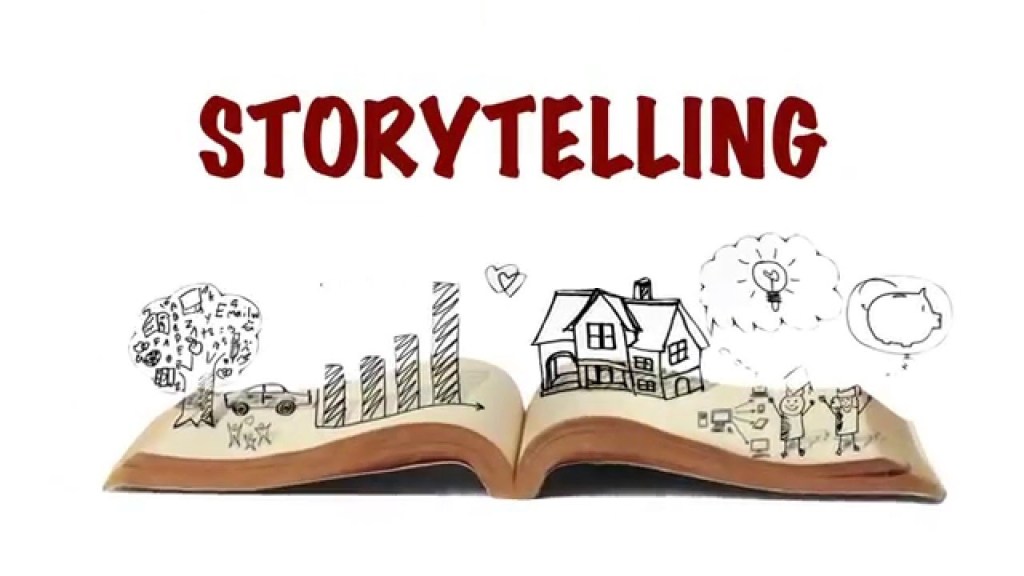
AI-generated storytelling tools, such as ChatGPT, Jasper AI, and Copy.ai, have made significant strides in producing text that mimics human storytelling. AI can now generate news articles, personalized marketing emails, and even fictional stories. However, these AI-generated narratives often lack true emotional depth, originality, and an understanding of human experiences. A 2023 study in Computers in Human Behavior analyzed consumer responses to AI-generated vs. human-crafted marketing content. The results showed that while AI-generated ads were perceived as informative, human-written ads elicited stronger emotional responses and higher brand trust. The study concluded that while AI can assist in the storytelling process, human creativity remains essential for crafting emotionally resonant narratives. AI can enhance storytelling by providing data-driven insights, summarizing key trends, and automating repetitive content creation, but it should be seen as a tool rather than a replacement for human creativity. A study published in Journalism & Mass Communication Quarterly found that audiences trust human-written news stories 48% more than AI-generated reports because human journalists provide context, skepticism, and ethical judgment that AI lacks. While AI is transforming how we process and distribute information, it cannot replace the uniquely human skill of storytelling. Stories are not just about presenting facts—they are about creating meaning, evoking emotions, and fostering connections. The ability to weave data into a compelling, emotionally resonant narrative will remain a competitive advantage in marketing, journalism, leadership, and branding. As AI continues to evolve, businesses and professionals must embrace a hybrid approach, using AI-driven insights while relying on human creativity to tell stories that move people. After all, people don’t just buy products or consume information—they engage with stories that reflect their values, emotions, and aspirations. AI can help tell these stories faster, but only humans can make them truly matter.
7. Cultural Competence: Communicating Across Diverse Contexts
As AI facilitates global communication, understanding cultural nuances becomes increasingly important. Communicators must be adept at navigating cultural differences to ensure their messages are appropriate and effective across diverse audiences. A study in the Journal of Business Communication found that AI-generated content can sometimes lack cultural sensitivity, leading to misunderstandings. The study recommends that human oversight is essential to ensure that communications are culturally appropriate and effective.
Conclusion
As AI continues to transform the communication landscape, developing these skills will be essential for individuals and organizations aiming to communicate effectively and ethically. By embracing digital literacy, critical thinking, emotional intelligence, adaptability, ethical awareness, storytelling, cultural competence, collaboration, transparency, and personalization, communicators can navigate the complexities of the AI era and build meaningful connections with their audiences.
__________________________________________________________
Dr Mukesh Jain is a Gold Medallist engineer in Electronics and Telecommunication Engineering from MANIT Bhopal. He obtained his MBA from the prestigious management institute, the Indian Institute of Management Ahmedabad. He obtained his Master of Public Administration from the Kennedy School of Government, Harvard University along with Edward Mason Fellowship. He had the unique distinction of receiving three distinguished awards at Harvard University: The Mason Fellow award and The Lucius N. Littauer Fellow award for exemplary academic achievement, public service & potential for future leadership. He was also awarded The Raymond & Josephine Vernon award for academic distinction & significant contribution to Mason Fellowship Program. Mukesh Jain received his PhD in Strategic Management from IIT Delhi. His focus of research has been Capacity building of organizations using Positive psychology interventions, Growth mindset and Lateral Thinking etc.

Mukesh Jain joined the Indian Police Service in 1989, Madhya Pradesh cadre. As an IPS officer, he held many challenging assignments including the Superintendent of Police, Raisen and Mandsaur Districts, and Inspector General of Police, Criminal Investigation Department and Additional DGP Cybercrime, Transport Commissioner Madhya Pradesh and Special DG Police. He has also served as Joint Secretary in Ministry of Power and Ministry of Social Justice and Empowerment, Government of India. As Joint Secretary, Department of Persons with Disabilities, he conceptualized and implemented the ‘Accessible India Campaign’, launched by Hon’ble Prime Minister Shri Narendra Modi in December 2015. This campaign is aimed at creating accessibility in physical infrastructure, Transportation, and IT sectors for persons with disabilities and continues to be a flagship program of the Ministry of Social Justice and Empowerment, Government of India since 2015.
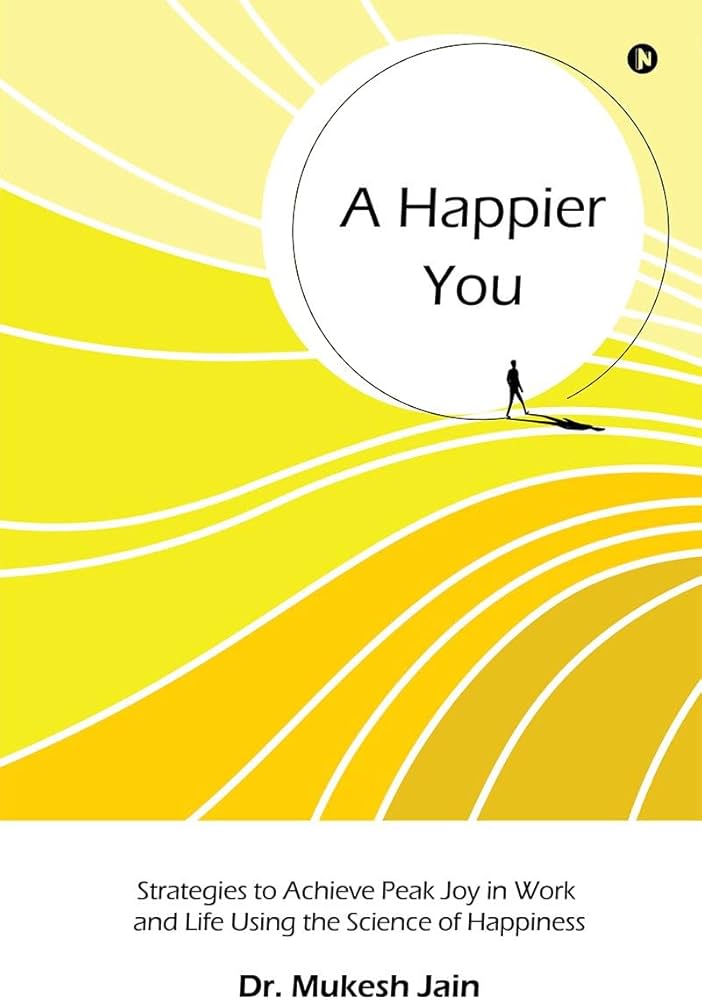
Dr. Mukesh Jain has authored many books on Public Policy and Positive Psychology. His book, ‘Excellence in Government, is a recommended reading for many public policy courses. A leading publisher published his book- “A Happier You: Strategies to achieve peak joy in work and life using science of Happiness”, which received book of the year award in 2022. His other books are : ‘Mindset for Success and Happiness’, ‘Seeds of Happiness’, and ‘What they don’t teach you at IITs and IIMs’.
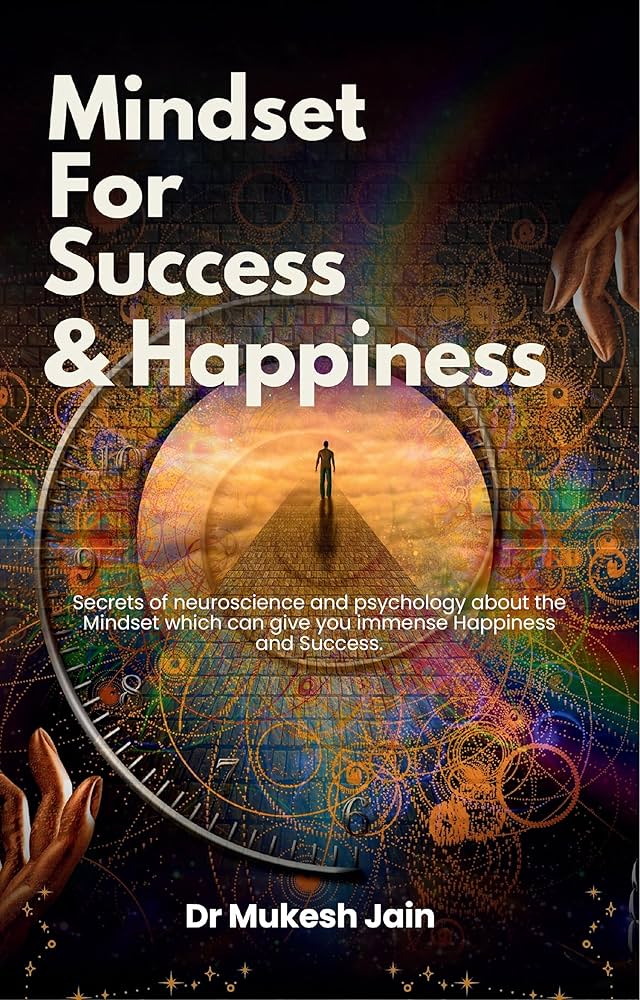
He is a visiting faculty to many business schools and reputed training institutes. He is an expert trainer of “The Science of happiness”. He has conducted more than 250 workshops on the Science of Happiness at many prominent B-schools and administrative training institutes of India, including Indian School of Business Hyderabad/ Mohali, National Police Academy, IIFM, National Productivity Council etc.

 School Of Happiness by Mukesh Jain