
Imagine stepping into a forest, where the air is crisp, the scent of pine fills your lungs, and the gentle rustling of leaves creates a soothing rhythm. The sunlight filters through the canopy, casting patterns of light and shadow on the forest floor. You take a deep breath, and suddenly, a sense of calm washes over you. Your mind, often filled with noise and stress, begins to slow down. Your body feels lighter, your heartbeat steadies, and for the first time in days, you feel truly present. This experience is what the Japanese call Shinrin-yoku, or forest bathing—a simple yet powerful practice that has been scientifically proven to enhance well-being, reduce stress, and boost overall happiness.
In today’s fast-paced world, where digital screens dominate our lives and stress levels are at an all-time high, reconnecting with nature is no longer a luxury—it is a necessity. Research has consistently shown that spending time in forests can lower blood pressure, improve immune function, enhance mental clarity, and even reduce symptoms of anxiety and depression. Forest bathing is not just a walk in the woods; it is an immersive experience that encourages us to engage all our senses—feeling the texture of the bark, listening to birdsong, inhaling the earthy scent of the soil, and simply being in the moment.
A Tradition That Became Science
Although people have always sought refuge in nature, the formal practice of Shinrin-yoku was developed in Japan in the 1980s. The Japanese Ministry of Agriculture, Forestry, and Fisheries introduced it as a national health initiative, recognizing that modern urban life was taking a toll on people’s well-being. They encouraged citizens to visit forests regularly, not for exercise or hiking but for mindful immersion in nature.
This idea gained scientific backing when researchers started measuring the effects of forest exposure on the human body. One of the most influential figures in this field, Dr. Qing Li, a physician and researcher at Tokyo’s Nippon Medical School, led multiple studies showing that forest environments reduce cortisol levels, lower blood pressure, boost immune function, and enhance mood. His research revealed that trees emit aromatic compounds called phytoncides, which have a direct impact on human physiology, increasing the activity of natural killer (NK) cells, a key component of the immune system that helps fight infections and even cancer.
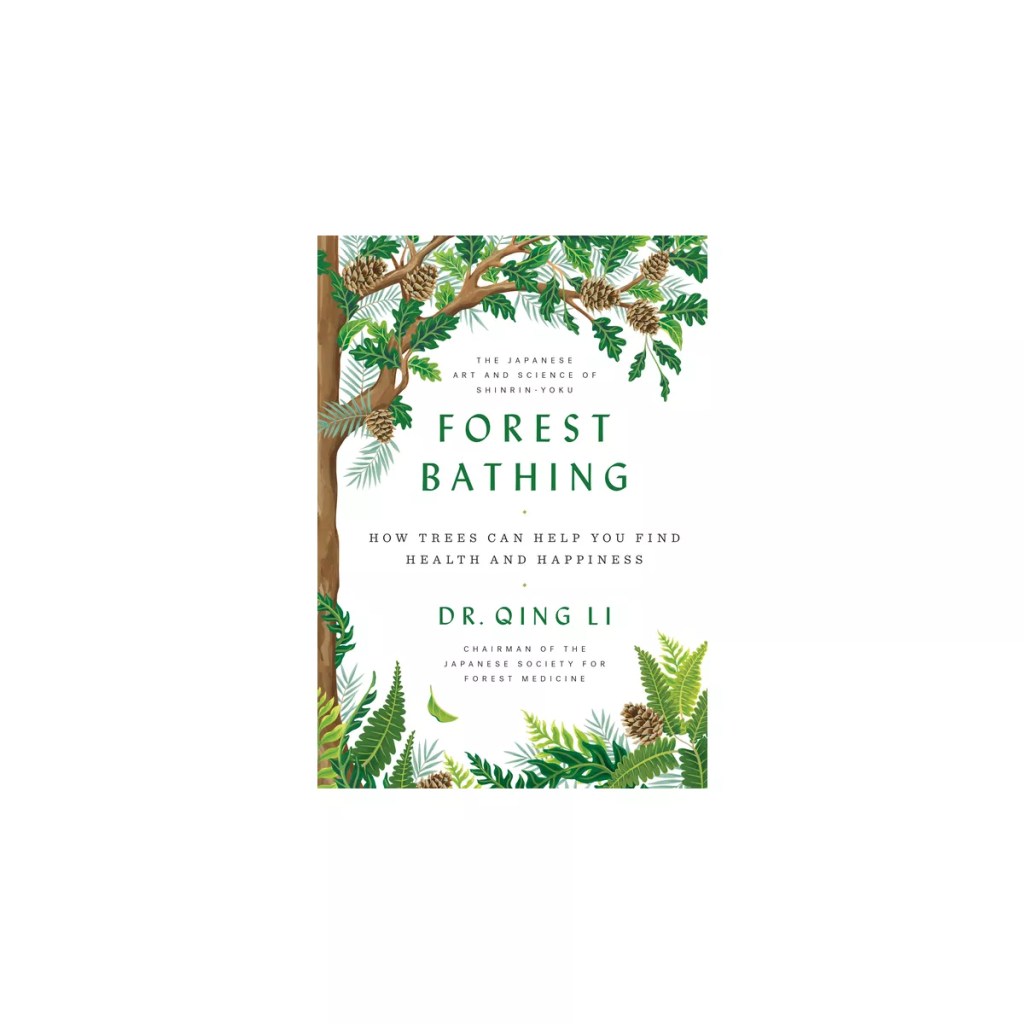
The Japanese government took these findings seriously, establishing over 60 official forest therapy bases across the country where people could engage in guided Shinrin-yoku experiences. South Korea followed suit, investing millions in healing forests and forest therapy programs. Countries like Finland, Canada, and Germany also started incorporating forest therapy into public health initiatives, recognizing that the benefits were not just anecdotal but backed by rigorous science.
How Forest Bathing Affects the Body and Mind: Research Insights
Scientific studies from neuroscience, psychology, and environmental health confirm that spending time in nature offers tangible health benefits. Some of the most influential research findings include:
1. Reduced Cortisol Levels and Stress Relief
A landmark study by Dr. Yoshifumi Miyazaki at Chiba University compared two groups—one that spent time in a forest and another that walked in an urban setting. The forest group exhibited significantly lower levels of cortisol, the stress hormone, along with reduced heart rate and blood pressure. Miyazaki concluded that just 20 minutes of forest exposure can lead to measurable reductions in physiological stress markers. His theory suggests that because humans evolved in natural environments, our nervous system is naturally attuned to forests, making them a restorative space.
2. Boosted Immune System Function
Dr. Qing Li’s research took these findings further. In one of his most famous studies, he measured natural killer (NK) cell activity in individuals before and after a two-day forest retreat. He found that NK cell activity increased by over 50% after forest exposure, and the elevated immune response lasted for more than a week. He attributed this to phytoncides, antimicrobial compounds released by trees, which help strengthen the immune system. His findings were published in Environmental Health and Preventive Medicine and have since influenced wellness practices worldwide.

3. Lower Blood Pressure and Cardiovascular Benefits
Another key study, published in Nature Scientific Reports, analyzed data from over 20,000 people and found a direct link between proximity to green spaces and lower incidence of hypertension. The researchers concluded that regular exposure to forests helps regulate the autonomic nervous system, shifting the body from a stressed, fight-or-flight state to a relaxed, parasympathetic mode. This explains why many patients with heart disease are encouraged to engage in gentle nature walks as part of their rehabilitation.
4. Reduced Symptoms of Anxiety and Depression
A study conducted at Stanford University examined how walking in nature affects brain activity. Participants who took a 90-minute walk in a forest showed reduced activity in the subgenual prefrontal cortex, a brain region linked to rumination and negative thinking. This suggests that nature exposure interrupts the cycle of anxious and depressive thoughts that often plague individuals in urban environments.
Additionally, psychologist Rachel Kaplan, in her studies on attention restoration theory, found that natural environments reduce mental fatigue, improve focus, and promote emotional stability. People recovering from depression often report feeling more at ease, grounded, and hopeful after spending time in a forest.
5. Enhanced Creativity and Cognitive Function
Dr. David Strayer, a cognitive neuroscientist at the University of Utah, conducted a study where participants took a three-day hiking trip in the wilderness. Their performance on creativity tests improved by 50% after spending time away from digital distractions and immersing themselves in nature. Strayer explains that nature “resets” the brain, allowing for deeper problem-solving and creative thinking.
Why Forest Bathing Feels So Good: The Role of the Senses
The reason forest bathing is so effective is that it engages all five senses, pulling us out of overthinking and into embodied awareness.
- Sight: Green landscapes are known to have a calming effect, lowering heart rate and reducing stress. Studies show that even looking at pictures of forests can induce relaxation.
- Smell: The scent of trees, soil, and flowers releases phytoncides, which have been shown to boost immunity and improve mood.
- Sound: Natural sounds like birdsong, rustling leaves, and flowing water activate the parasympathetic nervous system, which is responsible for relaxation.
- Touch: Walking barefoot on forest ground, touching tree bark, or simply feeling the cool breeze enhances the sense of connection to nature.
- Taste: Many cultures incorporate wild herbs, berries, and teas into forest therapy, further deepening the sensory experience.
Applying Forest Bathing in Daily Life
One of the best aspects of forest bathing is that anyone can practice it, regardless of location. You don’t need to travel to remote forests; even city parks and small green spaces can offer benefits. The key is to slow down, engage your senses, and immerse yourself in the present moment.
- Find a quiet green space – A park, botanical garden, or wooded trail works just as well as a deep forest.
- Turn off digital distractions – Silence your phone to fully engage with your surroundings.
- Engage your senses – Notice the sights, sounds, and textures around you.
- Walk slowly and mindfully – Unlike traditional hiking, forest bathing is about being, not doing.
- Breathe deeply – Take slow, deep breaths to absorb the forest’s natural healing compounds.
- Stay as long as you need – Even 20-30 minutes can have measurable benefits, but longer sessions amplify the effects.
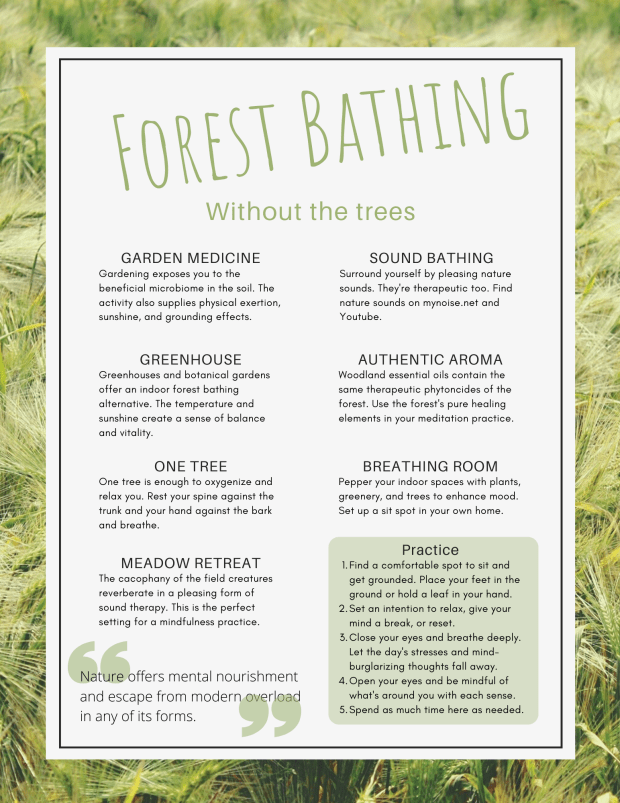
Reclaiming Happiness Through Nature Forest bathing is not just a wellness trend—it is a return to something deeply ingrained in human nature. For centuries, people have turned to forests for healing, but only in recent decades has science confirmed what many already knew intuitively. Whether you are struggling with stress, looking for mental clarity, or simply seeking moments of peace, spending time in nature is one of the most powerful, research-backed ways to enhance well-being. The trees are waiting. Step outside, breathe deeply, and let nature heal you.

Dr Mukesh Jain is a Gold Medallist engineer in Electronics and Telecommunication Engineering from MANIT Bhopal. He obtained his MBA from the Indian Institute of Management Ahmedabad. He obtained his Master of Public Administration from the Kennedy School of Government, Harvard University along with Edward Mason Fellowship. He had the unique distinction of receiving three distinguished awards at Harvard University: The Mason Fellow award and The Lucius N. Littauer Fellow award for exemplary academic achievement, public service & potential for future leadership. He was also awarded The Raymond & Josephine Vernon award for academic distinction & significant contribution to Mason Fellowship Program. Mukesh Jain received his PhD in Strategic Management from IIT Delhi.

Mukesh Jain joined the Indian Police Service in 1989, Madhya Pradesh cadre. As an IPS officer, he held many challenging assignments including the Superintendent of Police, Raisen and Mandsaur Districts, and Inspector General of Police, Criminal Investigation Department and Additional DGP Cybercrime, Transport Commissioner Madhya Pradesh and Special DG Police.
He served as Joint Secretary in the Ministry of Power and Joint Secretary, Department of Empowerment of Persons with Disabilities (Divyangjan) [DEPwD], Ministry of Social Justice & Empowerment, where he conceptualized and implemented the Accessible India Campaign (Sugamya Bharat Abhiyan), which was launched by the Hon’ble Prime Minister Shri Narendra Modi.

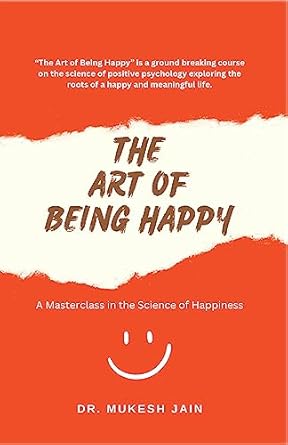
Dr. Mukesh Jain has authored many books on Public Policy and Positive Psychology. His book, ‘Excellence in Government, is a recommended reading for many public policy courses. His book- “A Happier You: Strategies to achieve peak joy in work and life using science of Happiness”, received book of the year award in 2022. After this, two more books, first, A ‘Masterclass in the Science of Happiness’ and the other, ‘Seeds of Happiness’, have also been received very well. He is a visiting faculty to many business schools and reputed training institutes. He is an expert trainer of “Lateral Thinking”, and “The Science of happiness” and has conducted more than 300 workshops on these subjects.
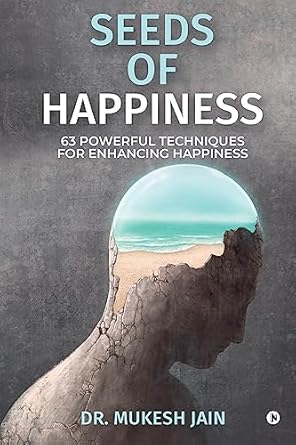
 School Of Happiness by Mukesh Jain