
We’ve all heard that first impressions are everything, but when it comes to building meaningful relationships, there’s a lot more to it than just making a good first impression. Whether it’s at work, in social settings, or even online, being liked by others can open doors, create opportunities, and make life a lot more enjoyable. But what exactly makes people like you? Is it charisma, kindness, or something else entirely?
As it turns out, there’s a significant body of research that reveals the science behind likability. From psychology to behavioral science, experts have studied what makes people click, connect, and build lasting relationships. Let’s dive into 20 research-backed steps that can help you make people like you, based on practical advice, bestsellers, and science.
1. Show Genuine Interest in Others
One of the most powerful ways to make people like you is to show a genuine interest in them. According to Dale Carnegie’s classic book “How to Win Friends and Influence People,” people love talking about themselves. Carnegie emphasized that listening intently and asking thoughtful questions can make others feel valued and appreciated.

Research backs this up. A study published in the Journal of Experimental Social Psychology found that when individuals feel that someone is genuinely interested in them, they are more likely to reciprocate that interest and view the person more favorably. But beyond the research, this principle plays out in everyday life. Think about how you feel when someone remembers a small detail about you or asks about something you mentioned weeks ago. It’s a reminder that you matter to them, and it strengthens your bond. This idea is beautifully illustrated in Harper Lee’s “To Kill a Mockingbird.” Atticus Finch, one of the most beloved characters in American literature, is liked and respected not because he’s flashy or charismatic, but because he listens deeply and treats everyone, even those society shuns, with genuine interest and respect. This trait is what makes him a figure of integrity and empathy, someone people naturally gravitate toward.
2. Smile More Often
It may sound simple, but smiling is one of the most effective ways to make people like you. Research from the University of Kansas suggests that smiling can reduce stress, lower heart rate, and make others feel more comfortable around you. Smiling is contagious, and when you smile, it encourages others to smile as well, creating a positive interaction.
In “The Charisma Myth,” Olivia Fox Cabane explains that a genuine smile can dramatically increase your likability. It conveys warmth, friendliness, and openness, making people more likely to feel connected to you. The next time you’re in a social situation, remember to smile—it’s a small gesture with a big impact.

The power of a smile is also a recurring theme in stories and poetry. Take Charles Dickens’ “A Christmas Carol,” for example. When Ebenezer Scrooge, initially a miserly and bitter man, begins to smile genuinely at the people around him after his transformation, they immediately respond in kind. His smile signals a change in his character, making him more approachable and likable. This transformation shows that a simple smile can alter perceptions and build bridges where there were once walls. Moreover, think about how you feel when someone greets you with a warm, genuine smile. It instantly puts you at ease and makes you more inclined to like them. Smiling is a small gesture, but it has a big impact on how others perceive you.
3. Use People’s Names in Conversation
Dale Carnegie famously said, “A person’s name is to that person the sweetest sound in any language.” Using someone’s name in conversation shows respect and makes the interaction feel more personal and engaging. Research published in the Journal of Consumer Research found that people who hear their names are more likely to pay attention and feel a stronger connection to the speaker.
The power of using someone’s name is not just about grabbing their attention—it’s about affirming their identity. Consider the scene in J.K. Rowling’s “Harry Potter and the Chamber of Secrets” where Professor Dumbledore, a figure of great authority and wisdom, uses Harry’s name with kindness and attentiveness. Despite the pressures and the weight of his responsibilities, Dumbledore’s use of Harry’s name reminds Harry—and readers—that he is seen and valued as an individual. It’s a small gesture, but it has a significant emotional impact.
In real life, think about how much more engaged you feel when someone uses your name in a conversation. It’s a simple way to make interactions more meaningful and personal, signaling that you see and acknowledge the other person fully.
4. Be a Good Listener
Listening is an underrated skill when it comes to building relationships, but it’s one of the most critical. A study in the International Journal of Listening found that effective listening skills are strongly correlated with increased likability. People appreciate when they feel heard and understood, and this can significantly boost your connection with them.

In “The 7 Habits of Highly Effective People,” Stephen Covey talks about the importance of “empathetic listening,” where you listen with the intent to understand, not just to respond. By focusing on what the other person is saying and responding thoughtfully, you show that you value their perspective, which naturally makes you more likable. The importance of listening is poignantly illustrated in the story of “The Little Prince” by Antoine de Saint-Exupéry. The Fox, one of the Little Prince’s most memorable friends, explains that “It is only with the heart that one can see rightly; what is essential is invisible to the eye.” The Fox teaches the Little Prince about the importance of listening and understanding, which is central to forming deep, meaningful bonds.
In our daily lives, think about a time when someone really listened to you—not just hearing the words, but truly understanding your feelings and thoughts. That kind of listening builds trust and makes you feel valued. When you practice active listening, you show that you care about the other person’s experience, which naturally makes you more likable.
5. Offer Genuine Compliments
Everyone likes to be complimented, but there’s an art to giving compliments that resonate. Research in the Journal of Social Psychology shows that people who give compliments are seen as more likable, particularly when those compliments are specific and genuine. Instead of offering generic praise, focus on something unique that you genuinely appreciate about the person.
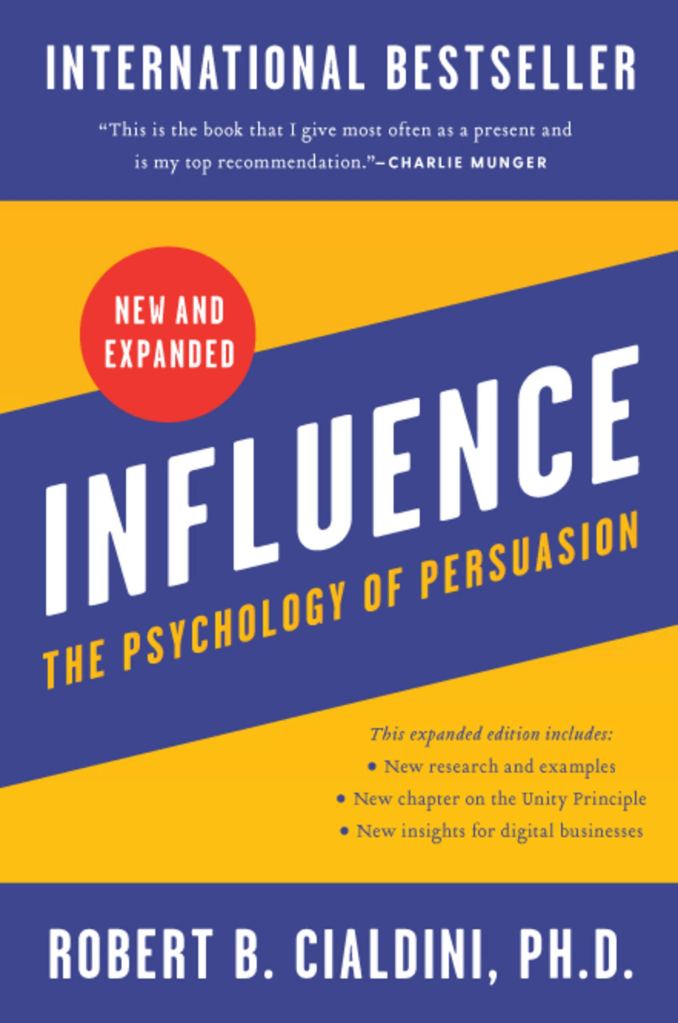
In his book “Influence: The Psychology of Persuasion,” Robert Cialdini explains that compliments are a form of social proof, reinforcing positive traits and behaviors in others. When you compliment someone, it not only boosts their self-esteem but also creates a positive association with you, making them more likely to like and remember you. Think of the scene in Jane Austen’s “Pride and Prejudice,” where Mr. Darcy finally confesses his admiration for Elizabeth Bennet. His compliments are not just about her beauty, but about her character, her wit, and her intelligence. These specific, sincere compliments make his words all the more impactful and change the course of their relationship.
In real life, offering a genuine compliment can turn someone’s day around and make you memorable to them. Whether it’s acknowledging a job well done, noticing a unique talent, or appreciating someone’s kindness, genuine compliments create a positive atmosphere and strengthen social bonds.
6. Find Common Ground
One of the quickest ways to build rapport with someone is to find common ground. Whether it’s a shared interest, a mutual acquaintance, or a similar experience, commonalities create a sense of connection and understanding. Research in Personality and Social Psychology Bulletin found that people are more likely to feel connected to those with whom they share similarities.

In “Never Eat Alone,” Keith Ferrazzi emphasizes the importance of finding and highlighting common ground in networking situations. By identifying what you have in common with others, you create a foundation for a deeper relationship. This shared connection can make conversations flow more easily and increase mutual likability.
In Khaled Hosseini’s “The Kite Runner,” the connection between Amir and Hassan is deepened by their shared childhood memories and love for kite flying. Despite the vast social divide between them, these common experiences create an unbreakable bond. This story beautifully illustrates how shared interests and experiences can bridge even the widest gaps, fostering deep connections.
Finding common ground doesn’t just happen in stories—it’s something we experience daily. Whether it’s bonding over a favorite TV show, a mutual love of hiking, or even shared frustrations, discovering what you have in common with others makes conversations flow more easily and deepens your connection, making you more likable.
7. Mirror Body Language
Mirroring is a subtle yet powerful way to build rapport and make people like you. When you mirror someone’s body language, you subconsciously signal that you are in sync with them. Research published in Psychological Science shows that people who mirror the body language of others are perceived as more likable and trustworthy.

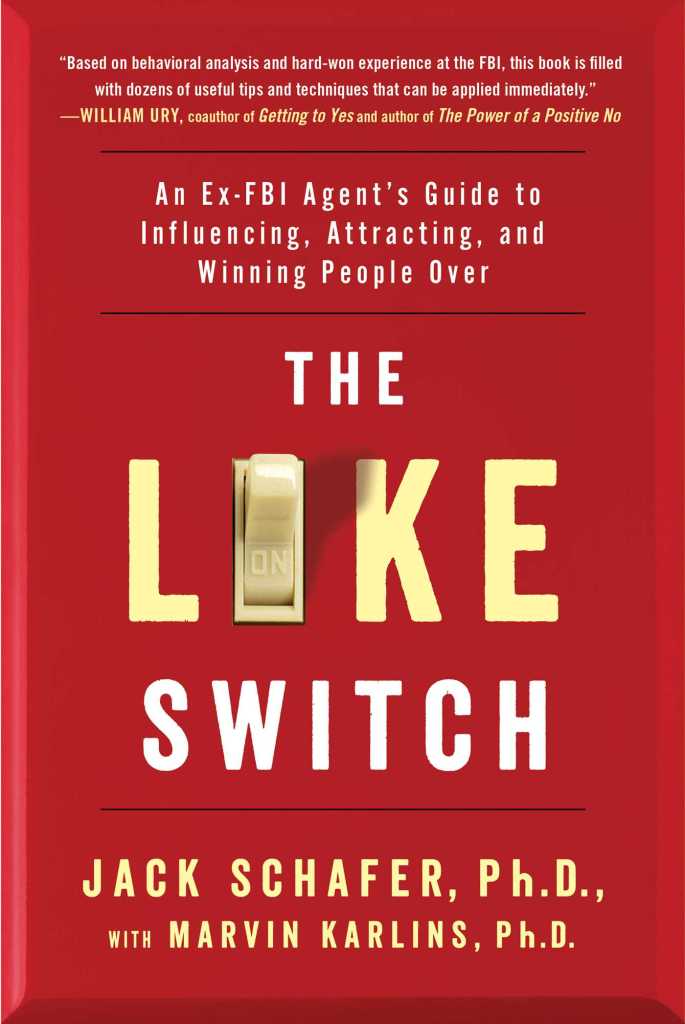
In “The Like Switch,” former FBI agent Jack Schafer explains how mirroring can create a subconscious bond between individuals. This doesn’t mean copying every movement but rather adopting a similar posture, gestures, or facial expressions. This subtle mimicry makes the other person feel more comfortable and understood, fostering a sense of connection.
In the world of spy novels, mirroring is often used as a tool for gaining trust. For instance, in John le Carré’s “Tinker Tailor Soldier Spy,” characters often use subtle body language cues to mirror others, building trust and lowering defenses in a world where alliances are fragile. While these fictional spies use it for deception, in everyday life, mirroring is about creating a subconscious bond, showing that you’re on the same wavelength as the other person.
Think about a time when you felt a strong connection with someone during a conversation. Chances are, you were mirroring each other’s body language without even realizing it. This natural synchronization helps to build trust and makes the interaction feel more harmonious, increasing your likability.
8. Practice Empathy
Empathy—the ability to understand and share the feelings of another—is crucial for building meaningful relationships. Research in the Journal of Personality and Social Psychology suggests that empathetic individuals are more likely to be liked and trusted by others. Empathy allows you to connect on a deeper level, as it shows that you care about what the other person is experiencing.
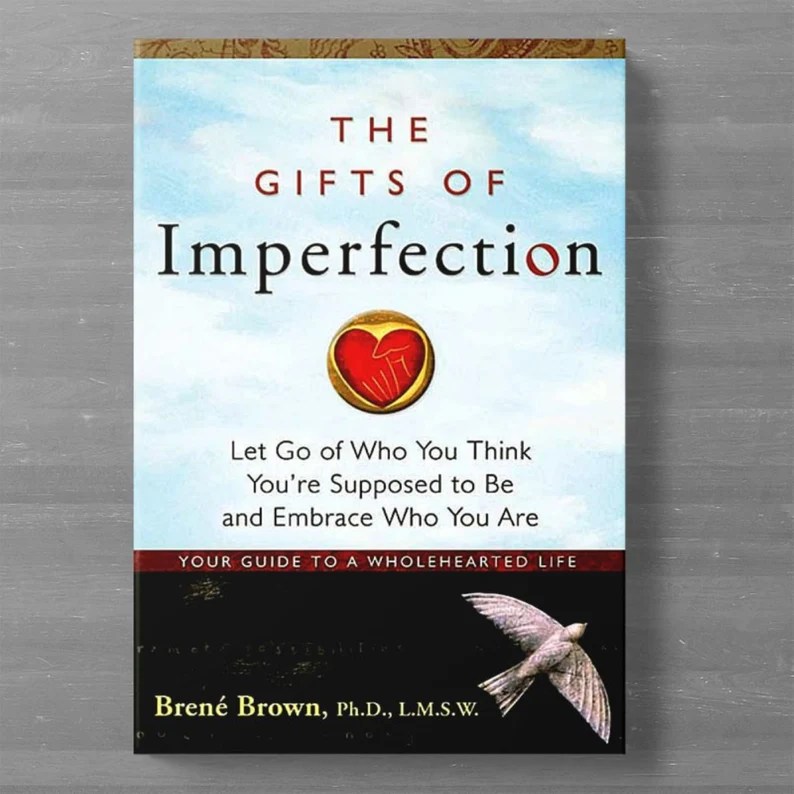
Brené Brown, in her book “The Gifts of Imperfection,” emphasizes that empathy is about making a connection, not fixing someone’s problems. When you express empathy, you validate the other person’s feelings and experiences, which strengthens your relationship and makes you more likable. Practice active listening, ask questions, and show that you genuinely care about their emotions.
A powerful example of empathy is found in Harper Lee’s “To Kill a Mockingbird.” Atticus Finch teaches his children the importance of empathy when he advises them to “climb into another person’s skin and walk around in it.” This advice is central to understanding others and is what makes Atticus such a respected and likable character in the novel.
Empathy isn’t just a concept in literature; it’s a practice we can cultivate in everyday life. Whether it’s offering a listening ear, acknowledging someone’s emotions, or simply being there for a friend in need, practicing empathy fosters deep, meaningful connections. It shows that you genuinely care, which naturally makes others like and trust you more.
9. Share Personal Stories
Sharing personal stories can be a powerful way to build connections and make people like you. Research published in the Journal of Social and Personal Relationships found that self-disclosure, or sharing personal information, fosters trust and intimacy in relationships. When you share a personal story, it invites others to see you as more relatable and human.
In “The Power of Vulnerability,” Brené Brown discusses how sharing your own experiences—especially your struggles and challenges—can create a deeper connection with others. People are drawn to authenticity, and when you’re willing to be vulnerable, it encourages others to do the same. This mutual openness can lead to stronger, more meaningful relationships.

In “The Alchemist” by Paulo Coelho, the protagonist, Santiago, shares his personal journey and dreams with the people he meets along his path. His openness and willingness to share his story not only endear him to others but also lead him to form meaningful connections that guide him on his quest. This narrative demonstrates how sharing our stories can bring us closer to others, making us more likable and approachable.
In our own lives, sharing personal experiences—especially our challenges and triumphs—can help others see us as genuine and relatable. It’s a way of saying, “I’ve been there too,” which can create a strong bond and make you more likable.
10. Be Positive and Enthusiastic
Positivity is contagious, and people are naturally drawn to those who radiate enthusiasm and optimism. A study in the Journal of Personality and Social Psychology found that positive emotions are highly contagious, and individuals who display enthusiasm are more likely to be liked and admired by others.
Tony Robbins, in his book “Awaken the Giant Within,” emphasizes the importance of maintaining a positive and enthusiastic attitude. He argues that your energy and outlook can influence those around you, making you a magnet for positive relationships. By focusing on the good in any situation and approaching life with enthusiasm, you can create a positive atmosphere that draws people in.
Consider the character of Samwise Gamgee in J.R.R. Tolkien’s “The Lord of the Rings.” Sam’s unwavering optimism and enthusiasm, even in the face of overwhelming challenges, not only endear him to his companions but also inspire them to keep going. Sam’s positivity is a beacon of light in dark times, making him one of the most beloved characters in the story.
In the real world, your attitude can have a significant impact on those around you. When you approach life with positivity and enthusiasm, you create an environment where others feel uplifted and motivated. This infectious energy naturally makes people like you more and want to be around you.
11. Show Vulnerability
While it might seem counterintuitive, showing vulnerability can actually make you more likable. Research published in Harvard Business Review shows that people who are open about their vulnerabilities are perceived as more trustworthy and relatable. Vulnerability breaks down barriers and allows for more authentic connections.
In her groundbreaking book “Daring Greatly,” Brené Brown argues that vulnerability is not a weakness but a strength. She explains that when you allow yourself to be vulnerable, you show others that you are human, which fosters a deeper sense of connection and empathy. People are more likely to like and trust you when they see that you’re willing to be open and honest about your experiences.
A poignant example of this can be found in the character of Elizabeth Bennet in Jane Austen’s “Pride and Prejudice.” When Elizabeth opens up to Mr. Darcy about her true feelings and the misunderstandings between them, it marks a turning point in their relationship. Her willingness to be vulnerable leads to mutual respect and deepens their connection, making their eventual union all the more satisfying.
In our own lives, showing vulnerability—whether by admitting a mistake, sharing a fear, or asking for help—can make others see us as more human and approachable. It’s a powerful way to build trust and deepen relationships, which in turn increases our likability.
12. Use Humor Appropriately
A good sense of humor is a universally attractive quality. Laughter not only breaks the ice but also creates a bond between people. Research in the Journal of Nonverbal Behavior found that people who use humor in social interactions are perceived as more likable and approachable.
In “The Humor Code,” Peter McGraw and Joel Warner explore the science of humor and its impact on social relationships. They suggest that humor can be a powerful tool for building rapport, as it makes people feel comfortable and engaged. However, it’s important to use humor appropriately—self-deprecating humor, for example, can make you seem relatable, while offensive jokes can have the opposite effect.
In “The Catcher in the Rye,” J.D. Salinger’s protagonist, Holden Caulfield, often uses humor as a way to cope with the complexities of his world. His wit and sarcasm make him a relatable character, particularly to those who understand the struggles of adolescence. While Holden’s humor is sometimes dark, it serves as a tool for connection, making him a memorable and likable character to many readers.
In your own interactions, humor can be a powerful way to connect with others. Whether it’s light-hearted banter, a witty remark, or a well-timed joke, using humor appropriately can make conversations more enjoyable and help build a positive rapport, increasing your likability.
13. Be Generous with Your Time and Resources
Generosity is a surefire way to win people over. Whether it’s offering your time, sharing your expertise, or providing support, acts of generosity show that you care about others. Research published in Psychological Bulletin found that prosocial behavior—actions intended to benefit others—significantly increases likability and strengthens social bonds.
Adam Grant, in his book “Give and Take,” highlights the power of generosity in building relationships. He argues that “givers”—those who help others without expecting anything in return—are more likely to build strong, supportive networks. By being generous with your time and resources, you not only enhance your likability but also create a positive ripple effect in your social circles.
A literary example of generosity can be found in Charles Dickens’ “A Christmas Carol.” After his transformative experience, Ebenezer Scrooge becomes known for his generosity, particularly towards those who are less fortunate. This shift not only redeems his character but also makes him beloved in his community. Generosity, as shown in the story, can change perceptions and build lasting connections.
In everyday life, generosity can take many forms—offering to help a colleague with a project, volunteering your time for a cause you care about, or simply being there for a friend in need. These acts of kindness not only help others but also create a positive reputation for yourself, making people more likely to like and trust you.
14. Be Authentic
Authenticity is a key factor in building trust and likability. Research in the Journal of Applied Social Psychology shows that people who are authentic—who act in ways that are true to their values and beliefs—are more likely to be liked and respected by others. Authenticity fosters trust, which is the foundation of any strong relationship.
Brené Brown, in her book “Braving the Wilderness,” argues that authenticity is about being true to yourself, even when it’s difficult. When you are authentic, you attract people who appreciate and value you for who you are, rather than for a façade. This leads to deeper, more genuine connections and greater overall likability.
In George Orwell’s “1984,” the concept of authenticity—or the lack thereof—is central to the narrative. The oppressive regime forces people to hide their true selves, creating a society devoid of genuine connections. In contrast, the few moments of authenticity between the characters, when they allow themselves to be vulnerable and true, stand out as moments of deep human connection. This highlights the importance of being genuine in a world where authenticity is often rare.
In real life, being authentic means staying true to who you are, even when it’s difficult. When you act with integrity and honesty, you attract people who appreciate and respect you for who you are, leading to deeper, more meaningful relationships.
15. Offer Help and Support
People naturally gravitate toward those who are helpful and supportive. Research in Evolution and Human Behavior suggests that individuals who offer help to others are perceived as more likable and trustworthy. Offering support not only strengthens your relationships but also creates a sense of community and mutual respect.
Stephen Covey, in “The 7 Habits of Highly Effective People,” emphasizes the importance of thinking win-win in relationships. By offering help and support, you demonstrate that you are invested in others’ success as well as your own. This mindset fosters a collaborative environment where everyone benefits, enhancing your likability and influence.
In J.R.R. Tolkien’s “The Lord of the Rings,” Samwise Gamgee’s unwavering support for Frodo is a testament to the power of friendship and loyalty. Sam’s willingness to help, no matter how difficult the journey, makes him one of the most beloved characters in literature. His support not only helps Frodo succeed but also solidifies their unbreakable bond.
In our own lives, offering help—whether it’s a small favor or significant support—shows that you care about others’ well-being. This generosity of spirit makes you more likable and fosters a sense of trust and loyalty in your relationships.
16. Be Consistent
Consistency is crucial in building trust and likability. People appreciate and trust those who are reliable and consistent in their behavior. Research in Personality and Social Psychology Review found that consistency in actions and words enhances credibility and makes people more likely to form positive opinions about you.
In “Made to Stick,” Chip and Dan Heath discuss the importance of consistency in communication and behavior. They argue that consistent actions reinforce your message and make you more trustworthy in the eyes of others. Whether it’s keeping promises, being punctual, or maintaining a positive attitude, consistency helps build a strong foundation for lasting relationships.
Consider the character of Atticus Finch in “To Kill a Mockingbird.” Atticus is known for his unwavering moral compass and consistent behavior, both in his personal and professional life. His consistency in standing up for what is right, regardless of public opinion, earns him the respect and admiration of those around him, making him one of the most revered characters in literature.
In everyday interactions, being consistent—whether it’s in keeping promises, maintaining a positive attitude, or being dependable—helps build trust and solidify your reputation as someone who can be relied upon. This consistency is key to building strong, lasting relationships.
17. Show Appreciation and Gratitude
Expressing appreciation and gratitude is a simple yet powerful way to enhance your likability. Research in the Journal of Positive Psychology found that people who regularly express gratitude are viewed as more likable, empathetic, and trustworthy. Gratitude not only strengthens relationships but also boosts your own well-being.
In “The Gratitude Diaries,” Janice Kaplan explores the transformative power of gratitude in everyday life. She suggests that regularly expressing gratitude—whether through a thank-you note, a kind word, or a simple acknowledgment—can significantly improve your relationships and increase your likability. Showing appreciation lets others know that you value and respect them, which in turn fosters positive feelings and stronger connections.
In Khaled Hosseini’s “And the Mountains Echoed,” the theme of gratitude and appreciation runs deep, particularly in the relationships between characters. When characters express gratitude, it often leads to healing and stronger bonds, showing that appreciation is not just a social nicety but a profound way to connect with others.
In your daily life, regularly expressing gratitude—whether it’s through a simple thank you, a note of appreciation, or a thoughtful gesture—can significantly enhance your relationships. It shows that you recognize and value the contributions of others, which naturally makes people more inclined to like and respect you.
18. Respect Boundaries
Respecting personal boundaries is crucial for building trust and likability. People appreciate when you honor their space, time, and privacy, and this respect can significantly enhance your relationships. Research in Social Psychology Quarterly shows that individuals who respect boundaries are viewed as more considerate, trustworthy, and likable.
In “Boundaries: When to Say Yes, How to Say No to Take Control of Your Life,” Dr. Henry Cloud and Dr. John Townsend discuss the importance of setting and respecting boundaries in relationships. They argue that boundaries help maintain mutual respect and prevent misunderstandings, which are essential for healthy, lasting connections. By respecting others’ boundaries, you show that you value their autonomy and comfort, which naturally increases your likability.
In the novel “Beloved” by Toni Morrison, the characters struggle with the boundaries of personal space and past trauma. Respecting these boundaries—or failing to do so—has profound effects on their relationships. This narrative underscores the importance of understanding and respecting personal limits in maintaining healthy and respectful connections.
In our lives, respecting boundaries—whether it’s giving someone space when they need it, acknowledging their limits, or simply asking for permission before crossing certain lines—demonstrates respect and consideration. This respect is fundamental to building trust and making people feel comfortable around you, which naturally increases your likability.
19. Follow Through on Commitments
Keeping your word and following through on commitments is essential for building trust and respect. Research in the Journal of Business Ethics found that people who honor their commitments are perceived as more reliable and trustworthy, which directly enhances their likability.
In “The Speed of Trust,” Stephen M.R. Covey emphasizes that trust is built through consistent, reliable actions. When you follow through on what you say you will do, you demonstrate integrity and dependability. This not only boosts your likability but also strengthens your reputation, making you someone others want to engage with.
In “The Count of Monte Cristo” by Alexandre Dumas, Edmond Dantès’ meticulous adherence to his promises—both in seeking revenge and in helping those who aided him—cements his reputation as a man of his word. This consistency and follow-through, even in the face of adversity, make him both respected and feared, illustrating the power of keeping commitments.
In everyday life, whether it’s fulfilling a promise to a friend, meeting a work deadline, or simply doing what you say you’ll do, following through on your commitments builds trust and strengthens your relationships. This reliability makes you someone others can count on, which naturally enhances your likability.
20. Stay Humble
Humility is a trait that resonates deeply with others. Research in the Journal of Positive Psychology shows that humble individuals are perceived as more approachable, trustworthy, and likable. Humility allows you to connect with others on a human level, free of ego and pretense.
In his book “Ego Is the Enemy,” Ryan Holiday explores the importance of humility in personal and professional success. He argues that humility opens the door to learning, growth, and meaningful connections. By staying humble and acknowledging the contributions of others, you create an environment of mutual respect and likability.
In the epic “The Odyssey” by Homer, Odysseus learns humility through his long and arduous journey. Despite his heroic status, it is his moments of humility—when he acknowledges his vulnerabilities and seeks help—that endear him to others and ultimately lead to his success. His story serves as a timeless reminder that humility is key to winning hearts and minds.
In your own life, practicing humility—acknowledging your limitations, appreciating the contributions of others, and not boasting about your achievements—makes you more relatable and likable. People are naturally drawn to those who are modest and grounded, creating a foundation for deeper, more meaningful relationships.
Wrapping It Up
Making people like you isn’t about manipulation or being someone you’re not—it’s about cultivating genuine, positive interactions based on trust, respect, and empathy. By incorporating these 20 science-backed steps into your daily life, you can build authentic relationships that not only enhance your social and professional life but also bring greater fulfillment and joy.
Remember, the key to likability is authenticity. Be yourself, show kindness, and take a genuine interest in others. Over time, these small but powerful actions will naturally draw people to you, helping you build meaningful connections that last a lifetime.

About The Author:
Mukesh Jain has been a civil servant belonging to the Indian Police Service, with rich administrative experience and brilliant academic background. A Gold Medallist Engineer in Electronics and Telecommunication Engineering from MANIT Bhopal, he obtained my MBA from the Indian Institute of Management Ahmedabad. He also obtained his Master of Public Administration from the Kennedy School of Government, Harvard University along with Edward Mason Fellowship. Mukesh Jain has the unique distinction of receiving three distinguished awards at Harvard University: The Mason Fellow award and The Lucius N. Littauer Fellow award for exemplary academic achievement, public service & potential for future leadership. He was also awarded The Raymond & Josephine Vernon award for academic distinction & significant contribution to Mason Fellowship Program. Mr Jain received his PhD in Strategic Management from Department of Management Studies, Indian Institute of Technology, Delhi.

Mukesh Jain has published many academic papers in international journals and have been a prolific contributor to national journals on the subjects of governance, happiness and public policy. His book, ‘Excellence in Government: A Blueprint for Reinventing the Government’, is a recommended reading for many public policy courses. His book- “A Happier You: Strategies to achieve peak joy in work and life using science of Happiness”, received book of the year award in 2022. After this, two more books, first, ‘A Masterclass in the Science of Happiness’ and the other, ‘Seeds of Happiness’, have also been received very well. He is a visiting faculty to many business schools and reputed training institutes of India and is an expert trainer of “Lateral Thinking”, and “The Science of happiness” and has conducted more than 300 workshops on these subjects.

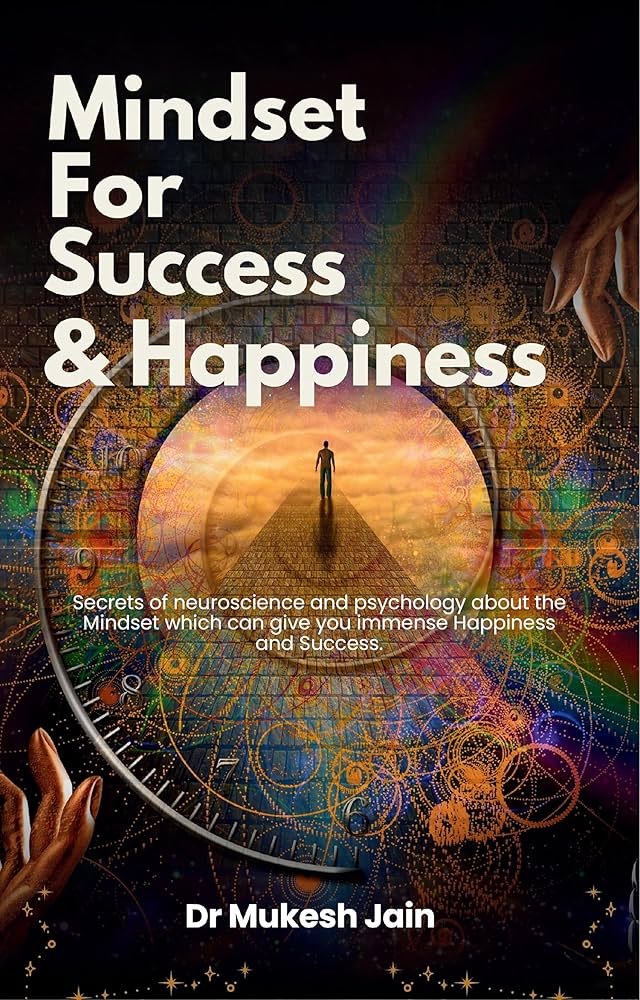

For Happiness workshops and Keynote speaker assignments, he can be reached at mukesh.harvard@gmail.com
 School Of Happiness by Mukesh Jain